

Central Papua, Timika — For climbers with limited time who are targeting the summit of Carstensz Pyramid, air access by helicopter from Timika directly to base camp has become a strategic option. This approach is increasingly popular as it significantly reduces travel time compared to overland routes that can take days or even weeks.
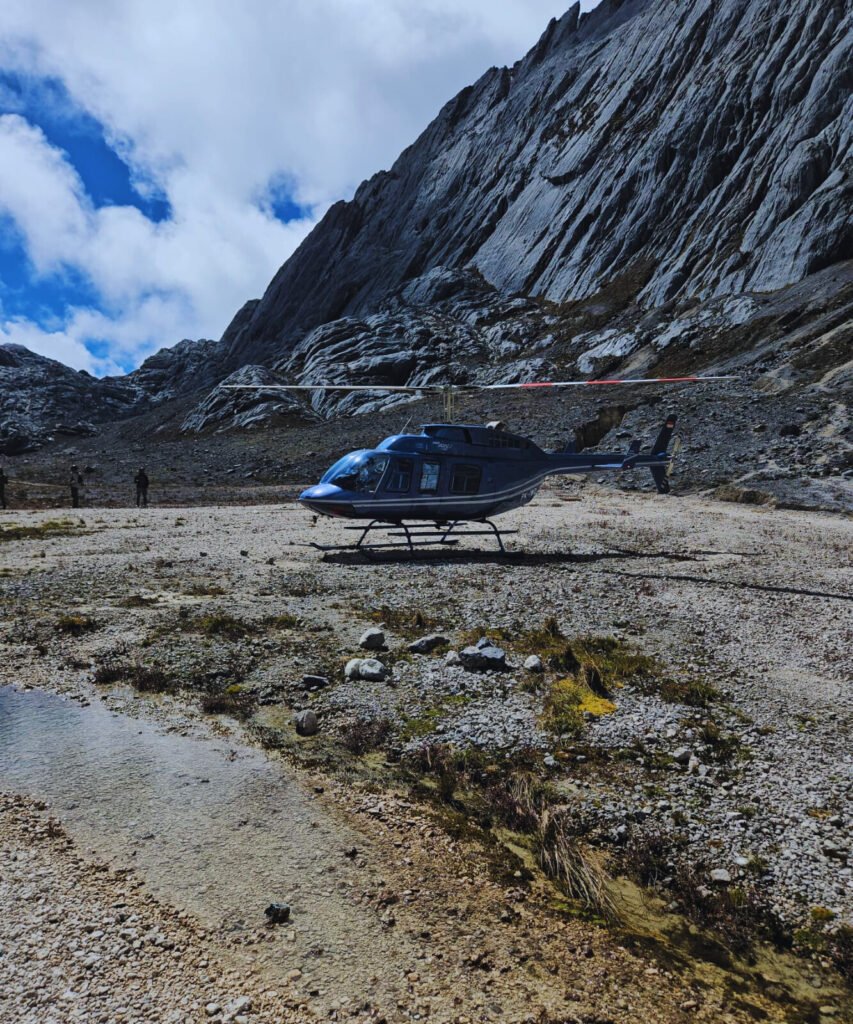
Carstensz Pyramid, standing at 4,884 meters above sea level, is known as one of the most challenging peaks in the world. Its technical terrain, extreme weather, and limited access make careful expedition planning essential. In this context, helicopters offer efficiency without diminishing the core challenges of the summit push.
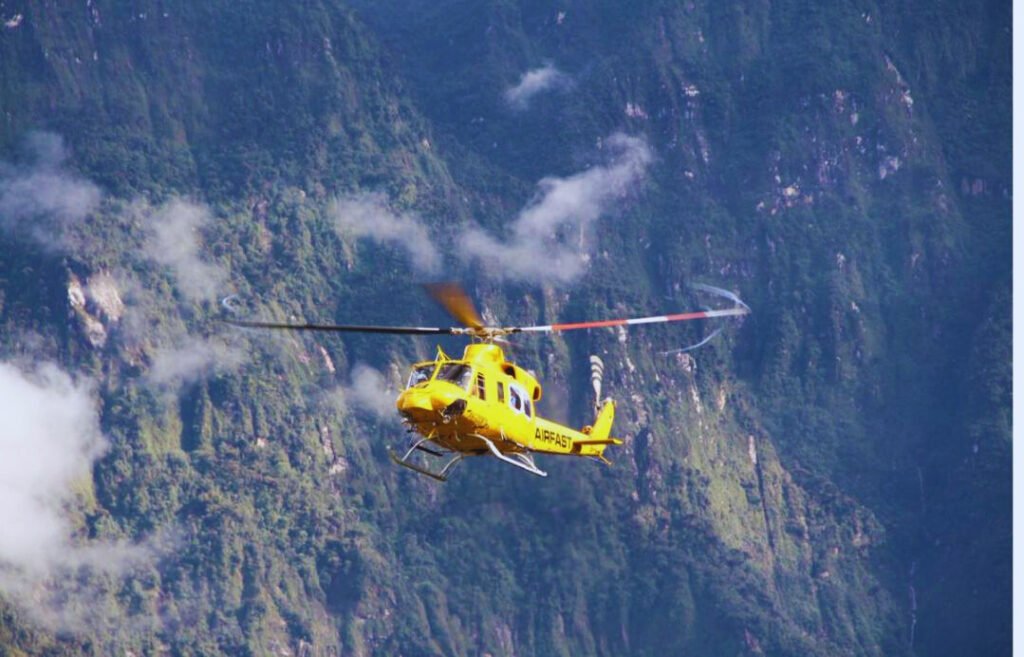
Helicopter flights typically depart from Mozes Kilangin Airport in Timika to base camps in the Yellow Valley area or the nearest suitable landing points. Within a short time, climbers can arrive directly at the foot of the mountain, ready to begin acclimatization and technical preparations before the summit attempt.
“For professional climbers or international guests focused on reaching the summit, helicopters provide an effective logistical solution,” said one climbing operator in Timika. According to him, this method reduces the risk of physical exhaustion from long approaches and maximizes time available for altitude adaptation.
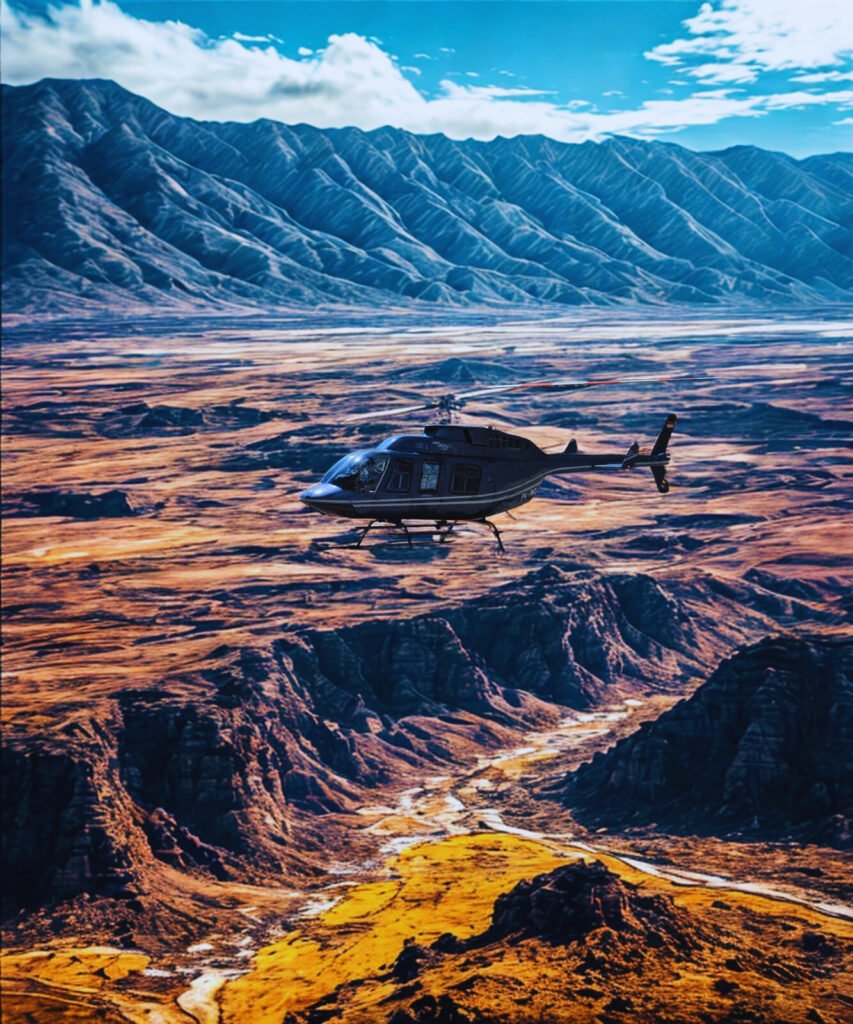
Nevertheless, helicopter use is not without challenges. Rapidly changing weather conditions in Papua’s highlands often determine flight schedules. In addition, coordination with aviation authorities, security forces, and area management is a mandatory requirement.
Climbing via helicopter still demands a high level of mental and technical readiness. The route to the summit of Carstensz is characterized by steep rock faces, fixed rope sections, and the potential presence of ice and snowfall. Therefore, climbers are required to have solid mountaineering experience and to be accompanied by certified professional guides. (AC)