

Carstensz Pyramid: A Living Symbol of Papua’s Pride, Resilience, and Spirit
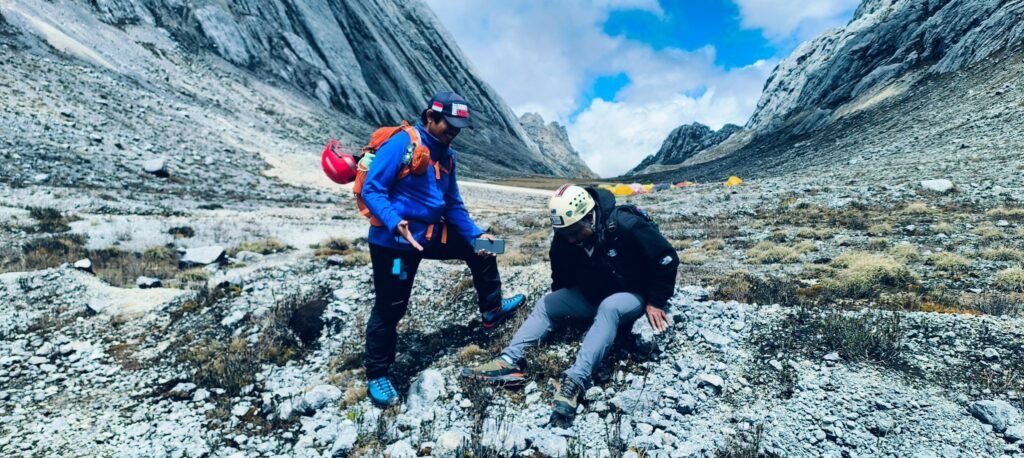
Carstensz Pyramid is far more than a mountaineering objective. Rising dramatically from the heart of Papua, it stands as a living symbol of pride, resilience, and deep respect for nature. Its sharp limestone towers and ever-changing weather remind every visitor that this is not simply a peak to be climbed, but a landscape that carries stories, struggles, and meaning far beyond altitude and technical difficulty.
Formed millions of years ago beneath an ancient sea, the limestone walls of Carstensz Pyramid create one of the most unique mountain environments in the world. Clouds drift across jagged ridgelines, rain and sun interchange within hours, and silence dominates the high places. For climbers and explorers, the mountain demands patience, humility, and mental strength. Carstensz does not reward arrogance; it rewards preparation, respect, and teamwork.
According to Maximus Tipagau, founder of Adventure Carstensz, Carstensz Pyramid should always be understood beyond the frame of adventure tourism. He emphasizes that Carstensz is a reflection of Papua itself: strong, complex, and deeply rooted in history and culture. For him, every journey to the mountain is also a journey into understanding Papua’s identity and values.
Maximus often highlights that the mountain is inseparable from the people who live around it. The local communities are not just logistical partners or background figures in expeditions; they are guardians of the land. Their knowledge of terrain, weather patterns, and safety, combined with traditional wisdom passed down through generations, plays a crucial role in protecting this fragile environment. Carstensz survives as it is today largely because of this relationship between people and land.
He further claims that Carstensz Pyramid is a gift Papua shares with the world but one that comes with responsibility. Adventure, in this context, should never come at the expense of environmental damage or cultural disrespect. Sustainable climbing practices, fair involvement of local communities, and genuine appreciation for Papuan culture are essential elements of any expedition. Without these, the meaning of standing on Carstensz’s summit becomes empty.
Beyond climbing, Carstensz Pyramid represents resilience. It has witnessed political change, environmental pressure, and global attention, yet it remains firm and uncompromising. Its presence serves as a reminder that Papua is not defined by exploitation or conflict narratives alone, but by strength, dignity, and extraordinary natural heritage.
In the end, Carstensz Pyramid is not about conquering a mountain. It is about learning to listen to the land, to the people, and to the stories that exist long before footprints touch the rock. As Maximus Tipagau often conveys through his work, reaching the summit should not be the final goal. The true achievement lies in leaving the mountain with greater respect, gratitude, and understanding of Papua and all that it represents.