

Essential Recovery Tips After Climbing Carstensz Pyramid
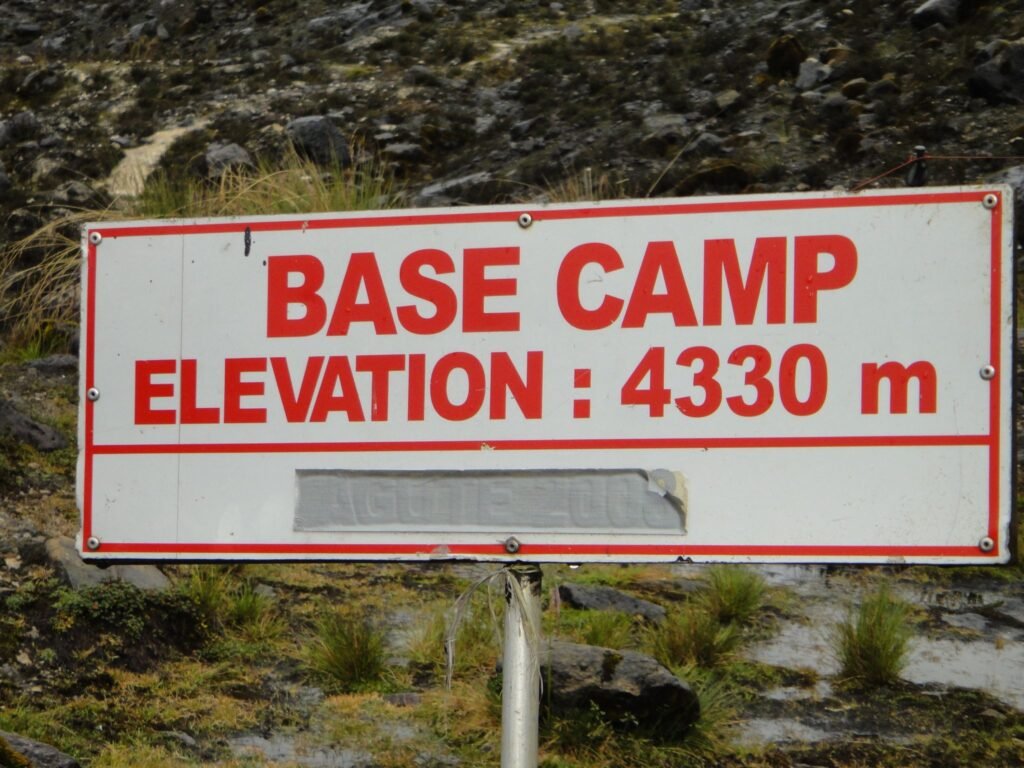
Reaching the summit of Carstensz Pyramid is an achievement that stays with a climber for a lifetime. The combination of high-altitude trekking, steep limestone walls, unpredictable weather, and the challenging Tyrolean Traverse makes it one of the most demanding expeditions in the world. But the journey doesn’t end when you leave the mountain. In many ways, the days after the climb are just as important, because proper recovery determines how well your body heals and how soon you can return to normal routines. After an expedition as intense as Carstensz, your body and mind need targeted care that helps you regain strength, mobility, and mental clarity.
The first stage of recovery begins with rest. Most climbers underestimate how much physical stress accumulates during the days of trekking through Papua’s jungle, navigating slippery limestone, and adjusting to high altitude. Your legs, back, and shoulders absorb a tremendous workload, and the only way to let the muscles repair is by giving them uninterrupted sleep. Many climbers find that their body demands more rest than usual in the first few days, and listening to that need is essential. Deep sleep is where the body rebuilds muscle fibers, restores hormonal balance, and reduces inflammation caused by long days of strenuous activity.
Hydration also plays a central role in post-expedition recovery. The combination of high altitude, physical exertion, and changing temperatures often leads to mild dehydration without climbers even noticing. Replenishing fluids helps reduce fatigue, supports circulation, and speeds the recovery of muscle tissue. Herbal teas or soups can be especially soothing after days of cold mornings and long climbs. Along with hydration, nutrient-rich foods help the body bounce back. Meals high in protein aid muscle repair, while vegetables, fruits, and whole carbohydrates restore energy levels that were heavily depleted during the climb.
Stretching becomes another essential habit during the recovery period. The climb up Carstensz involves technical movements, constant scrambling, and awkward body positions on sharp limestone. These patterns often leave climbers with tight hips, strained calves, stiff lower backs, and fatigue in the forearms from gripping rock. Gentle stretching, yoga, or even light mobility work helps loosen the muscles, reduce soreness, and improve blood flow. This kind of movement is not about pushing limits but about restoring balance to the body.
Mental recovery is equally important. Carstensz Pyramid is not only physically challenging but also mentally demanding. The approach through remote terrain, the long hours on the wall, and the intensity of the summit day all create a strong psychological load. Many climbers experience a mix of exhaustion, relief, and even emotional release once the expedition ends. Giving yourself time to decompress, reflect on the experience, and reconnect with normal life allows the mind to settle. Some climbers enjoy journaling about their climb, while others simply appreciate quiet time to absorb the accomplishment.
Returning to regular fitness routines should be done gradually. The temptation to resume full training too quickly can lead to injury because the body is still in recovery mode. Light activities such as walking, swimming, or low-intensity cycling help rebuild stamina without putting excessive pressure on fatigued muscles. Strength training can be reintroduced once the body feels stable, but it should begin with controlled, moderate movements that focus on form rather than intensity. Over the course of one to two weeks, most climbers regain their normal strength levels, but listening to your body is more important than following a strict timeline.
One aspect of recovery that many climbers overlook is skin and foot care. The combination of mountain boots, moisture, long trekking days, and sharp rock often leads to blisters, cracked skin, or bruised toenails. Treating these issues early prevents infection and ensures a smoother return to daily comfort. Soaking the feet in warm water, applying healing ointments, and allowing the skin to breathe can make a huge difference.
Finally, celebrating the achievement is a meaningful part of the recovery process. Summiting Carstensz Pyramid is not just another climb, it is a major milestone in global mountaineering, often representing years of preparation and determination. Taking time to acknowledge the accomplishment, share the experience with friends or fellow climbers, and look back on the journey helps close the emotional and physical chapter of the expedition.
Recovery after climbing Carstensz is a full-body and full-mind process. With rest, hydration, proper nutrition, gentle movement, and emotional decompression, climbers can rebuild their strength and return home healthier, more grounded, and ready for whatever adventure follows.