

Extreme Tourism and National Image: Building Indonesia’s Soft Power through Carstensz
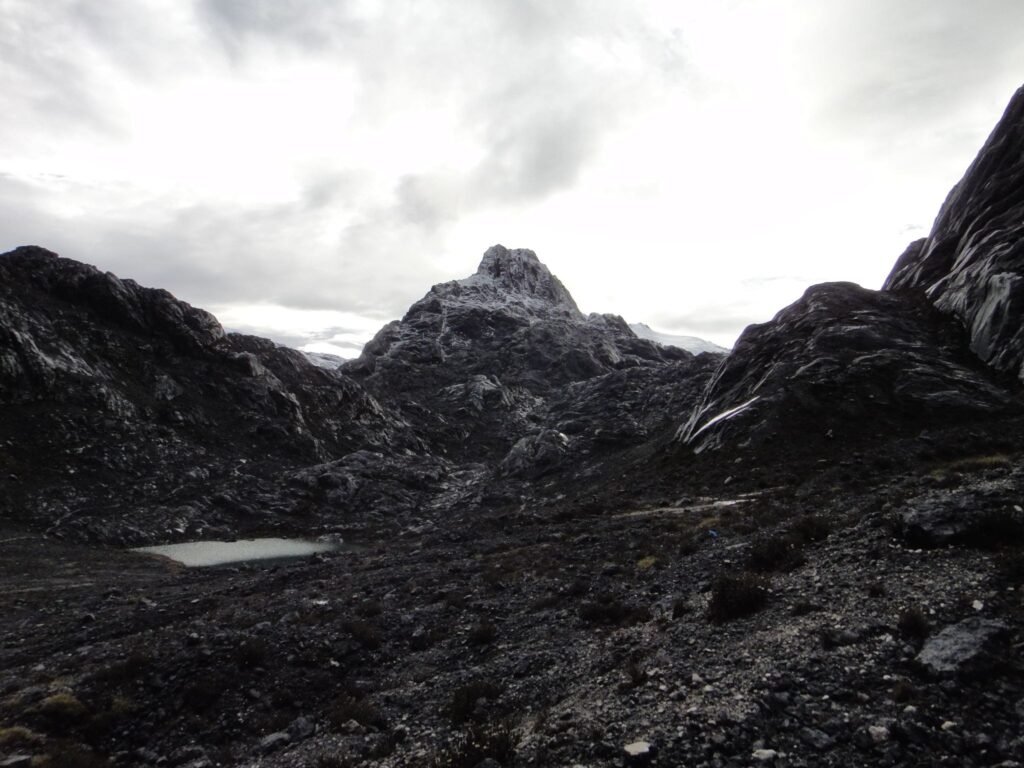
UN Tourism state that: Mountain Tourism is a type of “tourism activity which takes place in a defined and limited geographical space such as hills or mountains with distinctive characteristics and attributes that are inherent to a specific landscape, topography, climate, biodiversity (flora and fauna) and local community. It encompasses a broad range of outdoor leisure and sports activities”.
Globally, due to its important role in economic development, tourism has grown significantly over the past few decades and has been promoted by many nations. This also applies to a large number of mountainous areas worldwide. Although the COVID-19 pandemic temporarily stopped the flow of tourists, it has since picked up steam and grown even more noticeable, confirming its economic significance (TPCC 2023). However, evaluating the results and effects of mountain tourism is difficult. According to a joint study by UN Tourism and the Food and Agriculture Organization of the United Nations (FAO), mountain tourism accounted for 9–16% of international arrivals globally in 2019, or 195–375 million arrivals. The percentage varies widely between nations and mountainous areas, and these numbers do not account for domestic travel, which makes a substantial contribution to the industry in many mountainous areas (FAO and UN Tourism 2023).
Indonesia has countless possibilities in their mountain tourism industry through millions of domestic climbers and hundreds of thousands of foreign visitors each year. It is bolstered by more than 127 active volcanoes, a variety of natural landscapes, and at least 2,000 certified mountain tour guides, with an emphasis on developing sustainable tourism through conferences like IMTC 2023 to foster collaboration among industry participants. 150,000 foreign visitors and 3 million domestic visitors visited mountains in 2020, bringing in US$150 million in foreign exchange; by 2023, that amount is predicted to triple (Zatnika, 2023). If it continues to develop, Indonesia mountain tourism can also have a positive impact on the economy of the country and communities surrounding the mountains. One of the many promising mountains in Indonesia is Carstensz Pyramid, located in Sudirman Range, Papua.
Being one of the Seven Summits, Carstensz is well-liked by the world’s mountaineering community and serves as a gateway for foreign visitors to Indonesia, showcasing Papua’s natural riches and distinctiveness. Carstensz’s mountain tourism can serve as a soft power tool by presenting Indonesia as a megabiodiversity nation, an extreme adventure destination, and a tropical nation with beaches and islands, all of which can enhance the country’s reputation abroad. Tourism to Carstensz can help local development and environmental conservation if it is managed sustainably and involves local communities. It can also bolster Indonesia’s international credibility in terms of ecotourism, cultural preservation, and nature conservation. With its distinctive tropical glaciers, Carstensz can serve as a significant symbol of Indonesia’s “extreme and fragile” natural areas that require protection in the context of international environmental diplomacy, such as climate change.