

From the Highest Peak to Environmental Diplomacy: Carstensz and Climate Change Issues in Global Politics
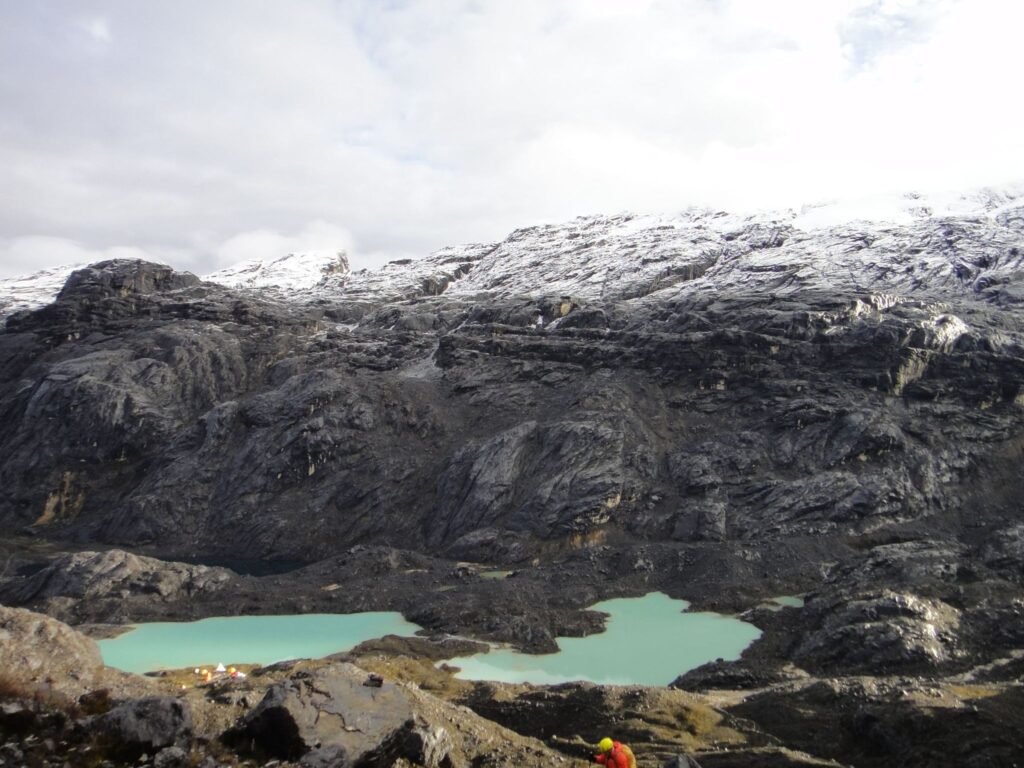
In Papua’s Jayawijaya Mountains, the only tropical glaciers in Indonesia have been treasured for a long time as the “eternal snow.” Although scientists argue it might not be so eternal after all. Climate change is speeding up their melting, and the glaciers could disappearance within two years, endangering sacred cultural sites and the distinctive ecology.
“The glaciers might vanish before 2026 or even faster, and El Niño could accelerate the melting process,” said Donaldi Permana, a climate specialist at BMKG.
According to research by Ibel et al. (2025), glacier surface area has decreased by almost 95% since 1850 and by 65% since the last survey in 2018. In 2024, the glacier area was 0.165 km2. That is why Deputy Foreign Minister Arrmanatha emphasized the importance of strengthening multilateral efforts, particularly through equitable climate financing and increased access to adaptable technologies.
Indonesia began asserting itself in global climate diplomacy in 2005 with the Kyoto Protocol, which later became the Paris Agreement. However, promises made on the world stage will only be meaningful if there is consistency at home.
Negotiations always bring together major interests. Developed countries are asked to reduce emissions more sharply and provide financial support, while developing countries demand the right to develop. Indonesia is caught in the middle, trying to play the role of a bridge between the two interests. This position requires a careful strategy because every domestic policy will have an impact on its diplomatic position on the global stage.