

Papua remains one of Indonesia’s most extraordinary tourist destinations, with rugged mountains, ancient forests, and a culture that has thrived for centuries. Its landscape is among the most pristine and untouched in the world, making the province a magnet for travelers seeking authenticity and a deep connection with nature.
In an interview with Maximus Tipagau, a key figure in Papua’s tourism industry, he emphasized that Papua’s natural potential is not just a tourist attraction, but an ecological heritage that must be preserved with all our hearts.
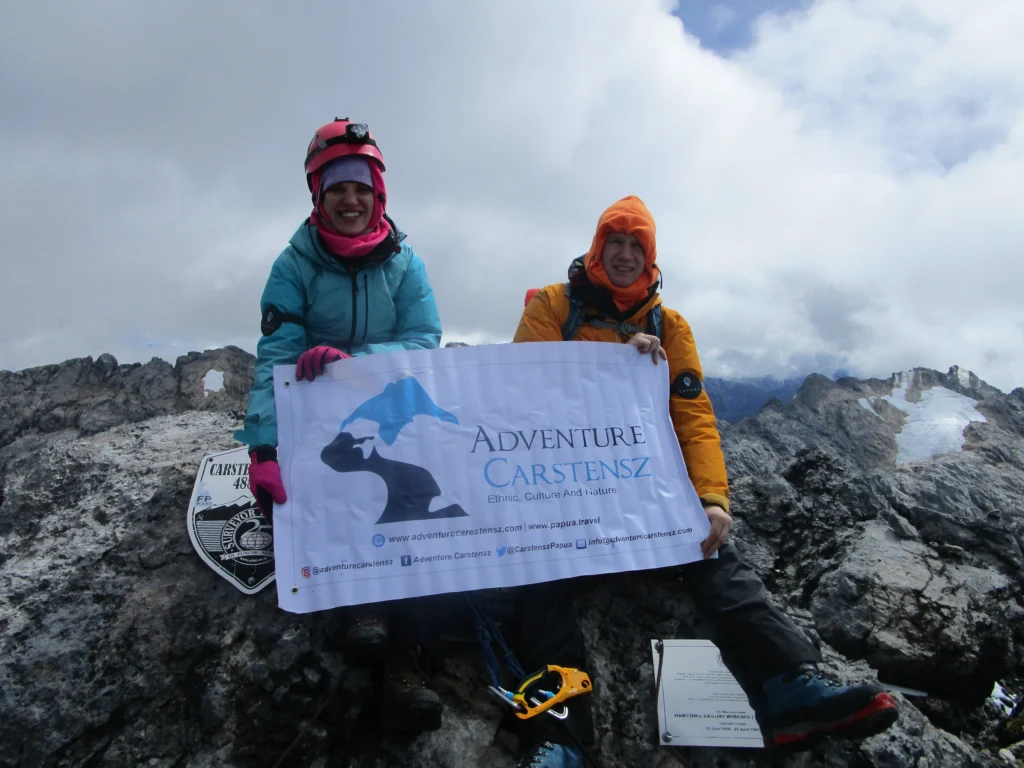
Papua’s natural geography offers a stunning mix of ecosystems. The mountainous area of Carstensz Pyramid, vast mountain forests, tropical marine areas, and valleys with rich, unspoiled culture. Every corner of Papua has global appeal, but for Maximus Tipagau, the most valuable thing is the authenticity that must be preserved. He added, “In terms of natural resources, we must not change anything on Papuan soil to promote the beauty of Papua’s natural tourism. Such as the Whale Shark, Raja Ampat, Carstensz Pyramid, Baliem Valley, Lorentz National Park, Cendrawasih Bay, and many other flora and fauna treasures there.” This statement emphasizes that tourism promotion in Papua must not compromise its ecological integrity. Authenticity is identity. The nature of Papua is a “showcase” that does not need to be modified to look beautiful, because its beauty has been inherent from the beginning.
In addition to its natural beauty, Papua is home to many tribal communities with long-standing traditions, languages, and ways of life. Cultural sites such as the Baliem Valley, the Dani tribe’s heritage, and sacred areas in the mountains provide tourists with a profound experience, allowing them to see ways of life that are still closely tied to the environment. This cultural wealth affirms Papua’s identity and enriches the narrative that is important in building the destination’s image.
Maximus Tipagau emphasizes the importance of a philosophy: preserving nature means protecting the future of the tourism sector in Papua. Every form of development must prioritize the principles of sustainability, involve the community, and respect local knowledge. By empowering local service providers, improving access, and strengthening its image, Papua can develop into a global tourist destination without sacrificing the integrity of its ecosystem.
Papua has everything it needs to become a world-class tourist destination. Stunning scenery, rich cultural tourism, and cultural stories that can move the hearts of today’s tourists. The challenge now is not to create new tourist attractions, but to preserve what already exists and ensure tourism development that is in harmony with the environment and local communities.