

Climbing Carstensz Pyramid by Helicopter: Advantages and Who It Suits Best
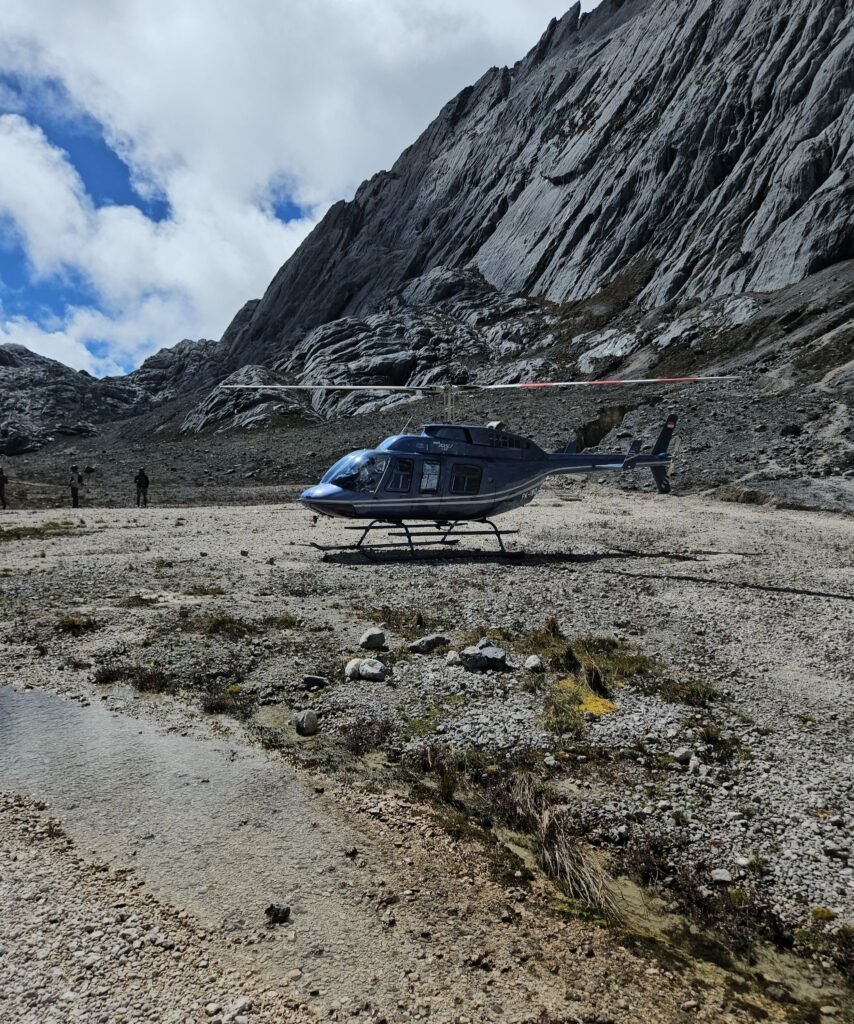
Reaching the summit of Carstensz Pyramid is one of the most sought-after alpine achievements in Southeast Asia, but the journey to base camp has traditionally been just as challenging as the climb itself. Dense rainforests, unpredictable weather, and long, rugged approaches through remote highlands can turn the expedition into a multi-week commitment. In recent years, however, the option to approach Carstensz Pyramid by helicopter has introduced a faster and more reliable alternative that reshapes the entire expedition experience.
The helicopter approach eliminates the long trekking routes that are often affected by heavy rain, swollen rivers, or logistical roadblocks. Instead of spending days moving through jungle terrain, climbers are flown directly to the highlands near Base Camp, dramatically reducing transit time and the physical toll before the real ascent even begins. This speed and efficiency are among the biggest advantages, allowing climbers to focus more energy on the technical rock climb rather than the demanding journey leading to it. For many, it also means minimizing exposure to rapidly changing Papua weather, since chopper flights can take advantage of short weather windows and avoid prolonged delays on the ground.
Safety is another important benefit. Trekking routes have historically involved uncertainties ranging from difficult river crossings to complicated access through villages and protected areas. A helicopter bypasses these elements entirely, providing a clearer and more controlled route monitored by experienced pilots and coordinated logistics teams. This makes the overall expedition more predictable and accessible, especially for climbers who are concerned about time or safety risks associated with overland travel.
The chopper approach also opens the door for a wider range of climbers. Those with limited vacation days often choose the helicopter option because it shortens the expedition to just a few days instead of several weeks. It is ideal for mountaineers whose primary goal is the summit rather than the long approach. Many Seven Summits collectors prefer this method because it allows them to maintain a tight schedule while still completing one of the world’s most unique high-altitude climbs. It is equally suitable for experienced technical climbers who want to conserve energy for the demanding limestone ridge, Tyrolean traverses, and rope work on summit day without arriving at Base Camp already exhausted from the approach.
At the same time, the helicopter route appeals to those seeking comfort and efficiency. While Carstensz will always remain a serious climb, the streamlined logistics make the experience more manageable for climbers who want a professionally organized, time-efficient challenge without sacrificing safety standards. The reduced exposure to harsh jungle conditions also makes it a favorable option for mountaineers who may not thrive in multi-week endurance expeditions but still have the technical skills to climb the fixed lines and exposed sections near the summit.
In the end, approaching Carstensz Pyramid by helicopter transforms the adventure into a focused, high-altitude climbing experience. It preserves the thrill of the ascent while minimizing the uncertainties and physical strain of the traditional routes. For climbers chasing efficiency, safety, and a more controlled path to one of the world’s most remote summits, the helicopter approach represents the ideal gateway to Papua’s iconic peak.