

Being a mountain guide isn’t just about guiding climbers to the summit. This profession demands high competence, extensive experience, and a commitment to ensuring the safety of everyone under their care. In Indonesia, demand for certified mountain guides is increasing as public interest in outdoor activities grows. The emergence of official climbing associations is crucial.
1. Clear and Measurable Competency Standards
Official climbing associations have training curricula designed by experts in mountaineering, search and rescue (SAR), and environmental conservation. Certification from the association ensures that a guide possesses the following competencies, not just formalities:
- Navigation and route management
- Risk & safety management
- First aid and evacuation
- Climbing techniques and equipment use
- Understanding weather and terrain conditions
- Climbing ethics and conservation
These standards are far more reliable than informal training or personal experience alone.
2. Legality and Trustworthiness from Official Authorities
Many national parks and mountain managers in Indonesia require certified guides to accompany climbers, especially on high-risk mountains. By joining an official association, a guide gains:
- Recognition from government agencies or local authorities
- Professional legality (guide ID, registration data, and license)
- Ease of employment with climbing operators
This trust not only enhances the guide’s reputation but also ensures climbers are accompanied by verified professionals.
3. Access to Advanced Training and Career Development
Climbing associations generally provide a variety of advanced training, such as:
- Advanced mountain guiding
- Altitude preparation
- Rope rescue & technical rescue
- Wildlife survival
- Tour and hospitality management
With official certification, guides can advance their careers internationally.
4. Climber Safety is a Top Priority
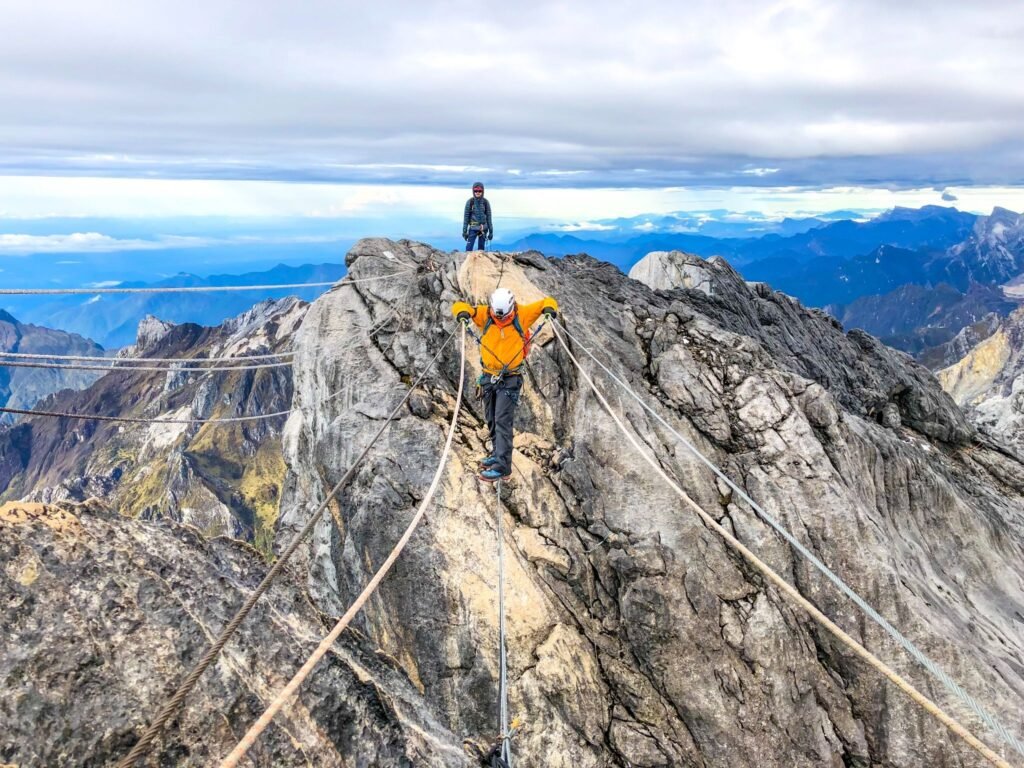
Risks in the mountains can arise at any time, including extreme weather, technical routes, injuries, and even loss of direction. Certified guides have been trained to:
- Make quick decisions in critical situations
- Manage climbing groups safely
- Anticipate high-risk conditions
- Implement professional assistance procedures
Climber safety cannot be handled by unskilled individuals. Certification ensures every step on the mountain is taken safely and responsibly.
5. Professional Ethics and Environmental Responsibility
Official associations also teach Leave No Trace principles, waste management, relationships with indigenous communities, and the protection of flora and fauna. Certified guides are not only guides to the summit, but also conservation ambassadors tasked with preserving nature.
6. Maintaining the Reputation of the Indonesian Climbing Industry
With the number of climbers continuing to increase, the presence of certified guides helps:
- Reduce accidents
- Improve the quality of the climbing experience
- Encourage sustainable nature tourism
- Create a professional image within the Indonesian outdoor industry
Climbing associations play a significant role in building a healthy and professional climbing ecosystem.
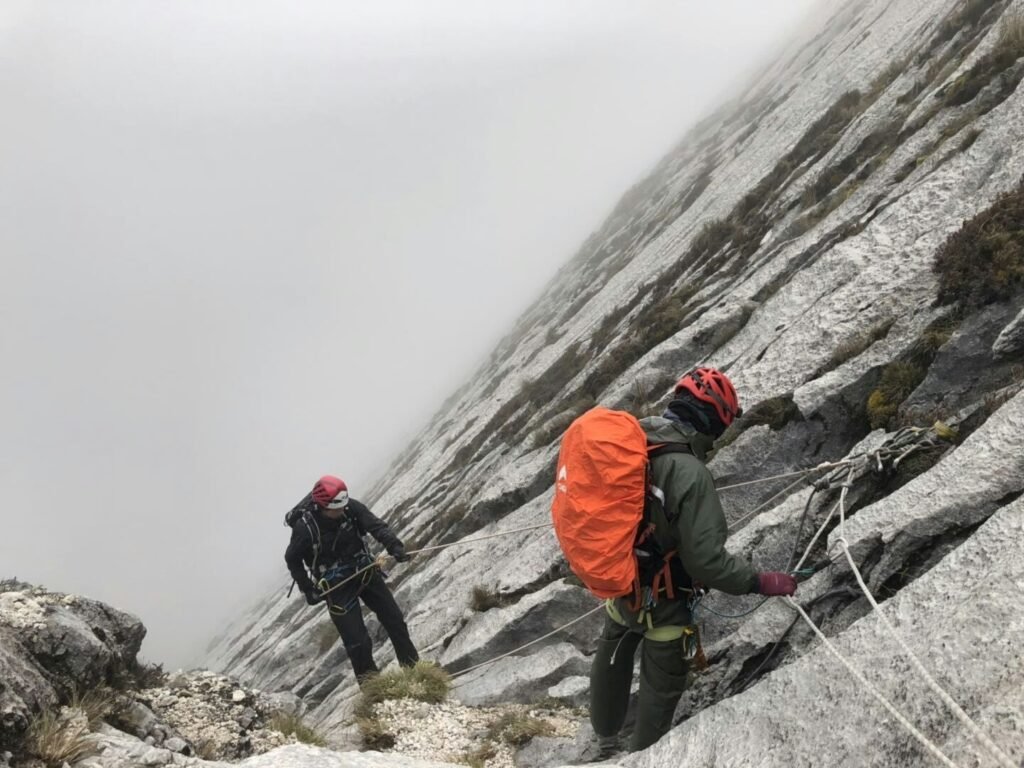
Mountain guide certification through an official climbing association is not just about obtaining a license, but also about meeting standards of expertise, legality, and safety responsibilities. With verified competence, a guide is not only a trip leader, but also a safety guard, protector of nature, and a representative of the professionalism of the Indonesian climbing industry.