

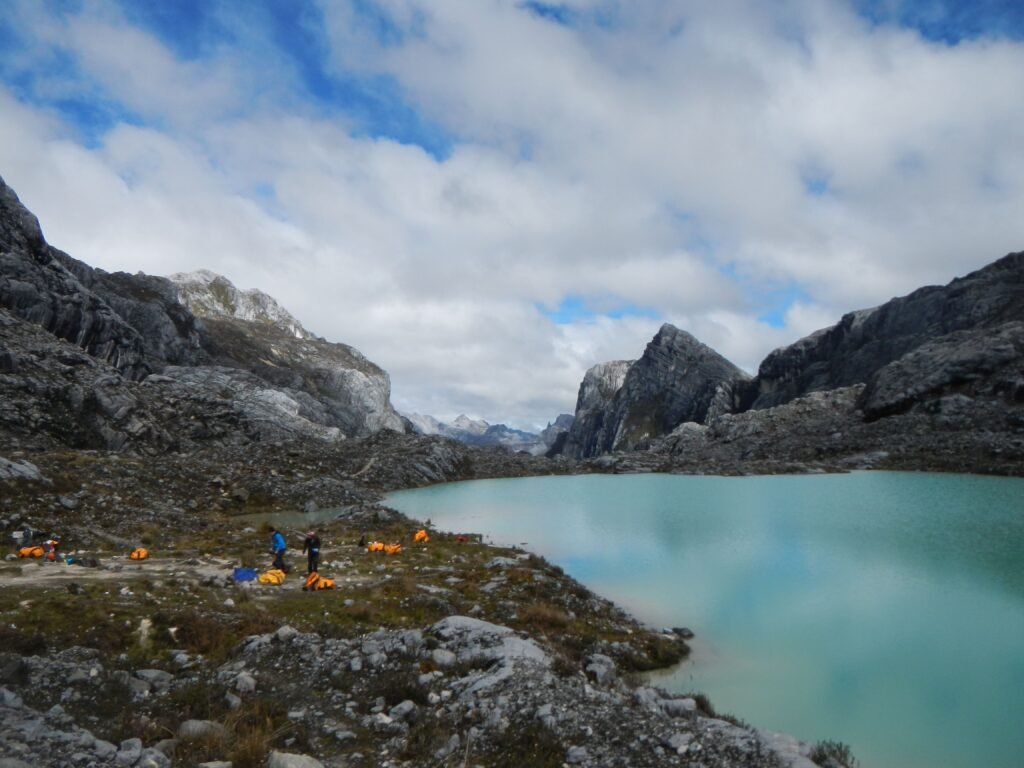
Climbing Carstensz Pyramid demands strict safety discipline due to its technical terrain, unpredictable weather, and high-altitude conditions. Every climber must understand the essential procedures, the main risks involved, and how emergencies are managed on the mountain.
Essential Safety Procedures
Carstensz requires proper acclimatization, consistent hydration, and the use of certified climbing gear, especially helmets, harnesses, ascenders, and fixed-line equipment. Daily briefings with guides ensure climbers follow safe movement on rocky ridges, the long Tyrolean traverse, and steep sections of the route.
Major Risks to Expect
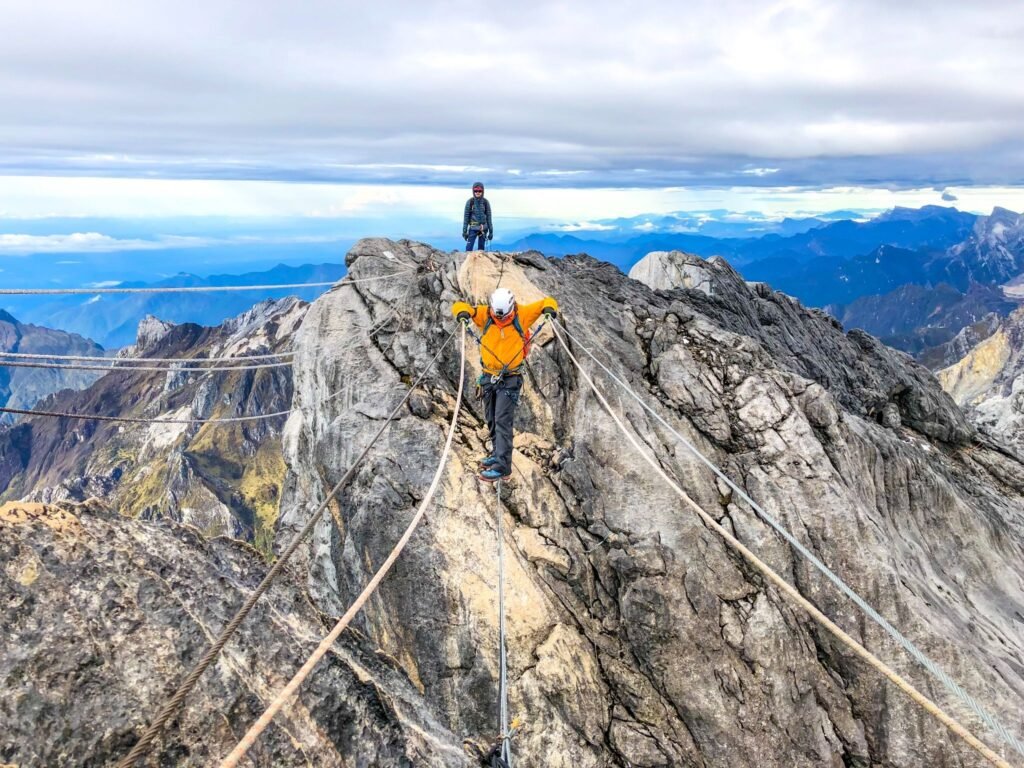
Key risks include altitude sickness, rapid weather changes, slippery rock surfaces, and hypothermia. The mountain’s limestone terrain becomes extremely slick when wet, increasing fall risk. Limited visibility due to fog or rain can also make navigation and rope management challenging.
Emergency Response and Management
Professional expedition teams rely on trained guides, satellite communication, and predetermined evacuation routes. Mild altitude sickness is handled through rest, hydration, and descent, while severe cases require immediate evacuation. Weather windows are constantly monitored to prevent climbers from entering hazardous conditions.
Conclusion
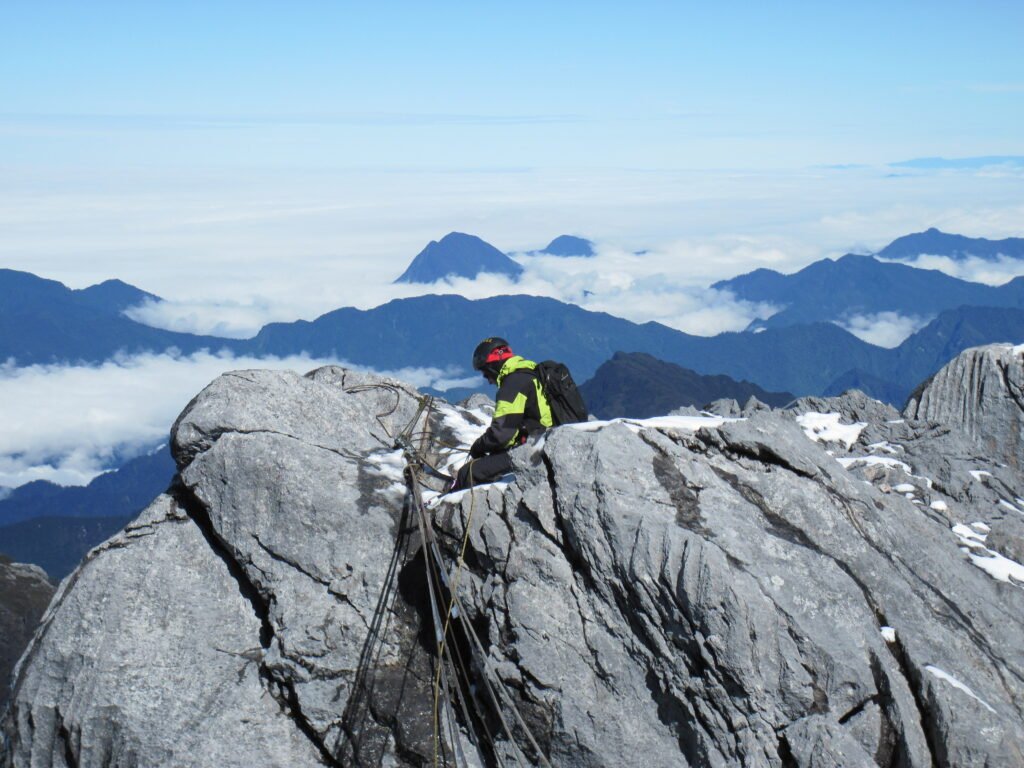
Safety on Carstensz is a combination of preparation, awareness, and teamwork. By following procedures, understanding risks, and having a solid emergency plan, climbers can tackle Indonesia’s highest peak with confidence and responsibility.