


Climbing Carstensz Pyramid is often associated with significant challenges, including technical climbing, high altitude, and extreme weather conditions. However, safety on this mountain is not only determined by big decisions made by guides or expedition leaders. In reality, many critical outcomes are shaped by small, everyday choices made by climbers throughout the expedition.
Choosing to Rest or Push Forward
One of the most important daily decisions is knowing when to rest. Fatigue at high altitude can reduce focus and coordination, increasing the risk of mistakes on technical terrain. Choosing to rest, hydrate, or slow the pace often prevents injuries and altitude-related problems. On Carstensz, pushing too hard rarely leads to success.
Wearing and Checking Equipment Properly
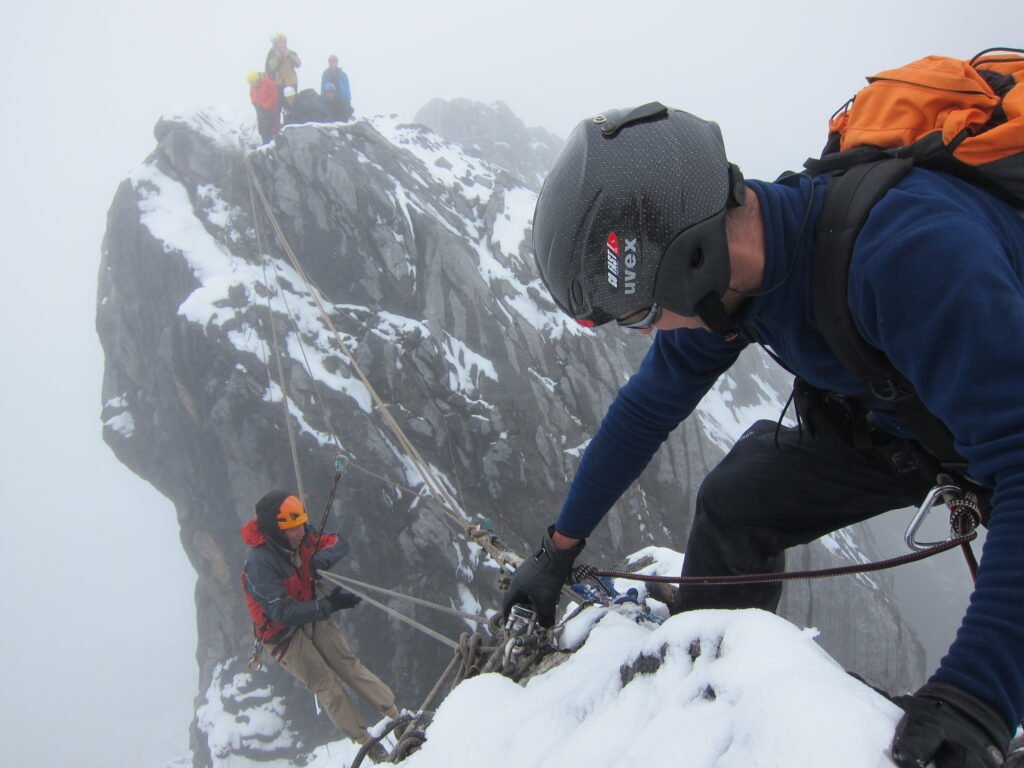
Simple habits, such as properly fastening a harness, double-checking carabiners, and wearing a helmet at all times, can have a major impact on safety. Limestone terrain is sharp and slippery, especially after rain. Small lapses in equipment use can quickly turn into serious accidents.
Hydration and Nutrition Choices
Many climbers underestimate the importance of drinking and eating regularly. Dehydration and low energy can worsen altitude symptoms and impair judgment. Making the simple choice to drink water frequently and eat enough calories helps maintain strength, focus, and decision-making ability during long days of climbing.
Speaking Up About Physical or Mental Condition

Reporting headaches, dizziness, fear, or exhaustion may seem minor, but open communication is essential. Early reporting allows guides to respond before conditions worsen. Choosing to stay silent can place both the individual and the entire team at risk.
Respecting Weather and Guide Decisions
The weather changes rapidly on Carstensz. Choosing to respect delays, turn-around calls, or canceled summit attempts is a key safety decision. Ignoring weather warnings or questioning safety calls increases exposure to unnecessary danger.
On Carstensz, safety comes from daily, consistent, responsible decisions. Actions such as timely rest, careful equipment use, good hydration, open communication, and heeding advice may seem small, but they collectively make the difference between a safe and a dangerous expedition.