

Climbing Carstensz Pyramid is not only a technical challenge but also a high-altitude test for the human body. At nearly 4,900 meters above sea level, reduced oxygen levels can significantly affect physical performance and health. Proper acclimatization is therefore a key factor in ensuring safety, comfort, and summit success on Carstensz.
Why Acclimatization Is Crucial on Carstensz
As altitude increases, oxygen levels decrease, forcing the body to work harder. Without proper acclimatization, climbers risk developing Acute Mountain Sickness (AMS) Here’s a refined version of your sentence:
“which may result in more serious conditions if left unaddressed.”
Common symptoms include:
- headache
- nausea or loss of appetite
- dizziness
- fatigue
- difficulty sleeping
Because Carstensz combines high altitude with technical climbing, climbers must be physically and mentally prepared before attempting the summit.
Gradual Ascent and Time at Basecamp
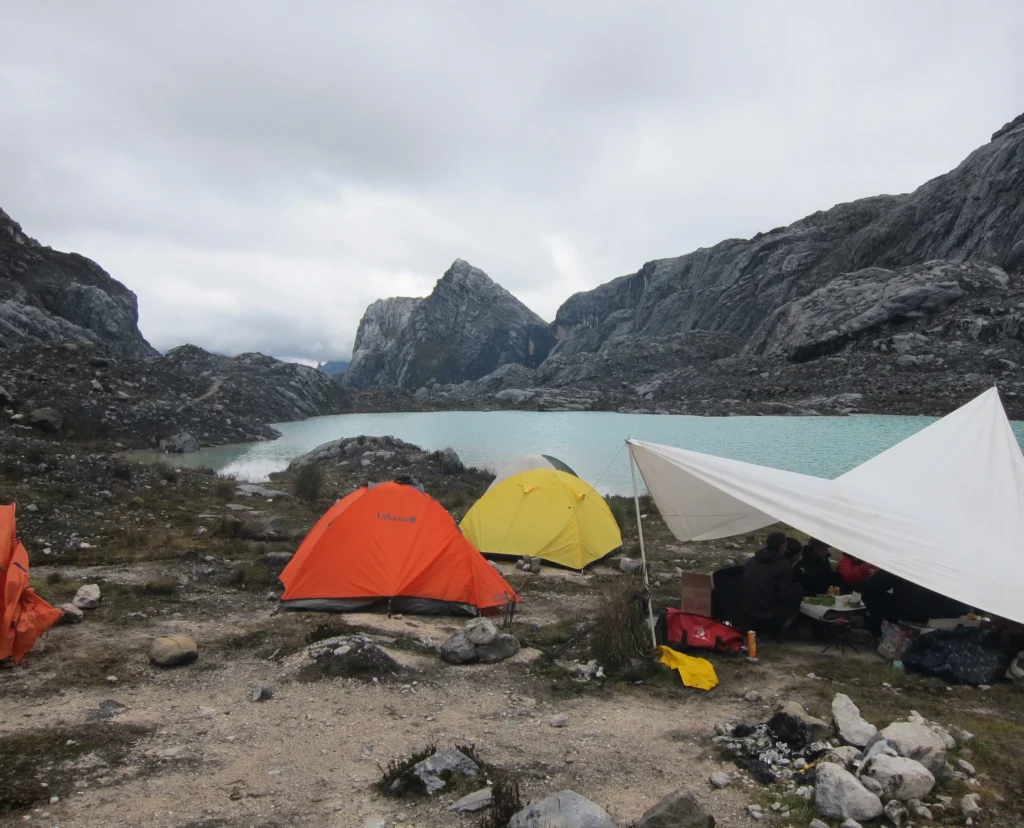
Most Carstensz expeditions are designed with a gradual ascent profile. The Yellow Valley Basecamp, situated at an altitude of approximately 4,200 to 4,300 meters, plays a crucial role in acclimatization.
At Yellow Valley, climbers typically:
- spend at least one to two nights
- rest and recover from the approach
- allow their bodies to adapt to thinner air
- Monitor physical condition before summit push
This pause significantly reduces the risk of altitude-related problems.
“Climb High, Sleep Low” Approach
One effective acclimatization method used on Carstensz is the “climb high, sleep low” strategy. Climbers may hike or scramble to higher points near basecamp during the day, then return to sleep at a lower elevation.
This approach:
- stimulates red blood cell production
- improves oxygen efficiency
- helps the body adapt without excessive stress
Hydration and Nutrition
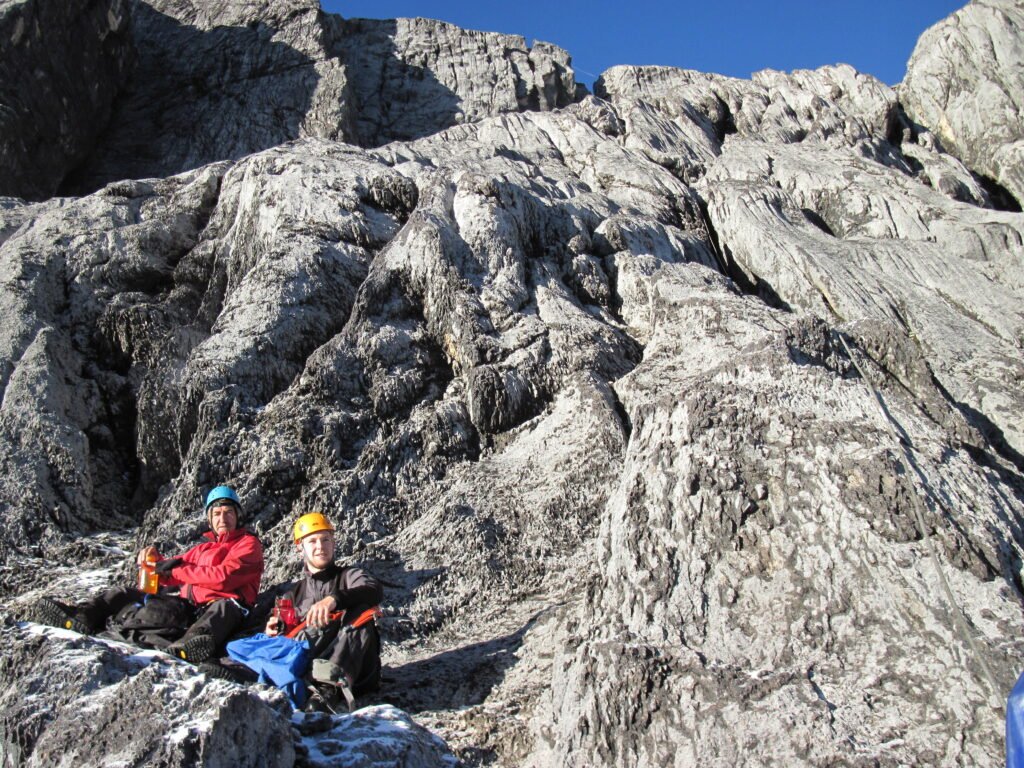
Staying well hydrated is essential at high altitude, as dehydration can worsen altitude symptoms. Climbers are encouraged to drink water regularly, even if they do not feel thirsty.
Nutrition also plays an important role:
- High-carbohydrate meals help maintain energy.
- Warm foods support body temperature.
- Regular meals prevent fatigue and weakness.
Monitoring Health and Listening to the Body
Experienced guides closely observe climbers for signs of altitude sickness. Open communication is encouraged, and climbers should report symptoms early rather than pushing through discomfort.
If symptoms worsen:
- The rest is prioritized
- descent may be required
- summit attempts can be delayed or canceled for safety
On Carstensz, descending is the most effective treatment for altitude illness.
Summit Timing and Decision Making

A well-acclimatized climber is more focused, coordinated, and confident on technical sections such as exposed ridges and the Tyrolean traverse. Summit attempts are only made when climbers show stable physical condition and weather conditions are favorable.
Proper acclimatization is one of the most important elements of a successful Carstensz expedition. By ascending gradually, spending adequate time at Yellow Valley, maintaining hydration and nutrition, and listening to the body, climbers greatly increase their chances of a safe and rewarding summit. On Carstensz, patience and preparation are just as important as strength and skill.