


Climbing Carstensz Pyramid is one of the most challenging mountaineering experiences in Southeast Asia. As Indonesia’s highest peak, Carstensz combines high altitude, technical rock climbing, and unpredictable weather. Given these factors, safety and risk management are essential elements of every successful expedition.
Understanding the Main Risks on Carstensz
Carstensz presents several inherent risks that climbers must be aware of before attempting the summit:
- High Altitude Risks
At nearly 4,900 meters above sea level, reduced oxygen levels can lead to altitude-related illnesses such as Acute Mountain Sickness (AMS). Symptoms may include headache, nausea, fatigue, dizziness, and difficulty sleeping. Without proper acclimatization, these conditions can worsen and compromise safety. - Technical Terrain
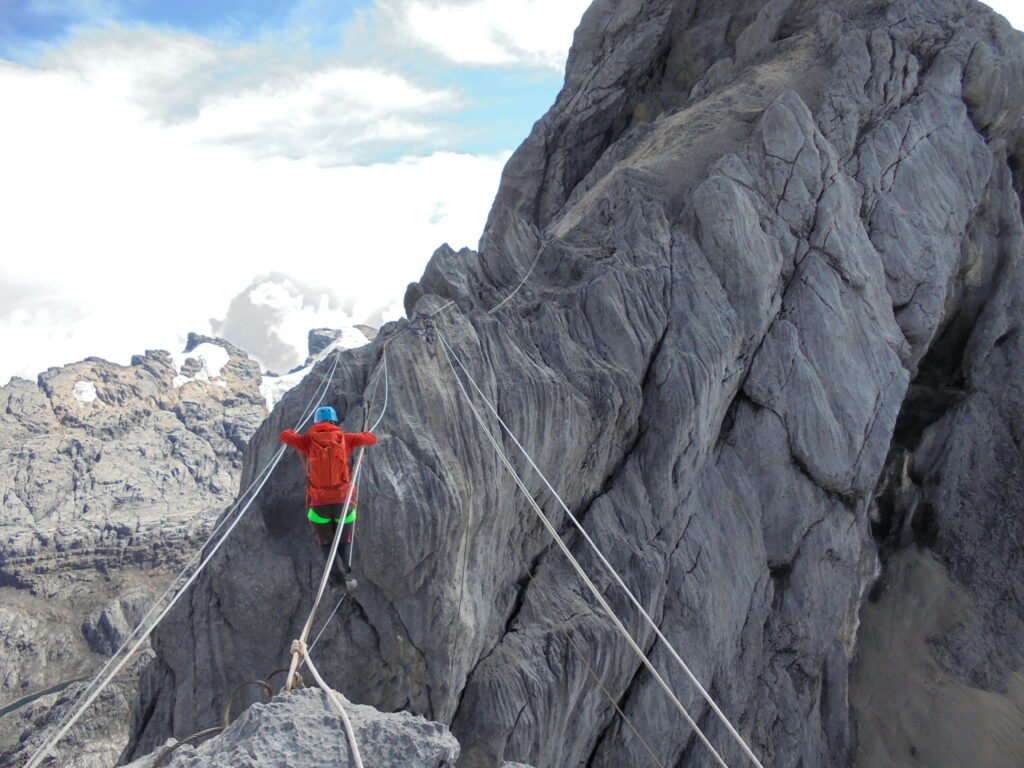
Unlike non-technical peaks, Carstensz requires climbers to navigate fixed ropes, exposed ridges, and steep limestone walls. The famous Tyrolean traverse and narrow summit ridge demand focus, balance, and proper use of safety equipment. - Weather Conditions
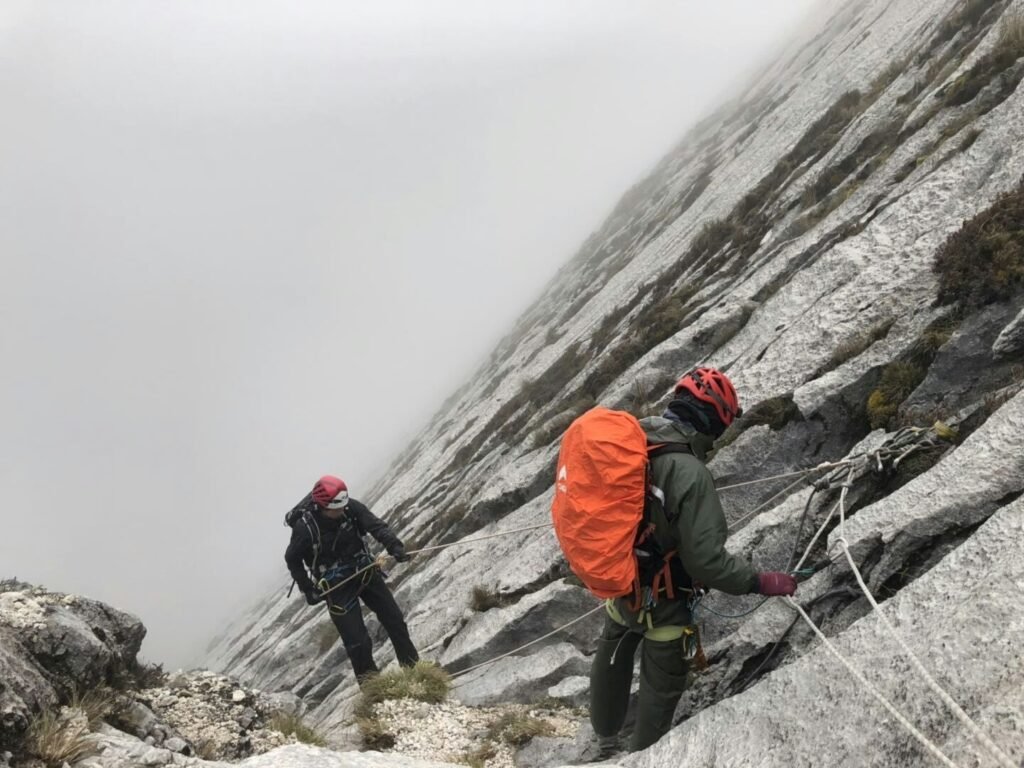
The weather in the Carstensz region can change rapidly. Heavy rain, thick fog, strong winds, and sudden temperature drops are common. Wet limestone becomes extremely slippery, increasing the risk of falls and slowing progress. - Remoteness and Limited Access
Carstensz is located in a remote area of Papua. Evacuation options are limited, and emergency response relies heavily on proper planning, communication equipment, and experienced guides.
Key Safety Measures During a Carstensz Expedition
- Proper Acclimatization
A gradual ascent and sufficient time at Yellow Valley Basecamp allow the body to adapt to altitude. Climbers are closely monitored, and summit attempts are only made when their physical condition is stable. - Use of Certified Equipment
All climbers must use approved climbing gear, such as helmets, harnesses, carabiners, ascenders, and fixed ropes. Daily equipment checks ensure everything is in safe working condition. - Experienced Guides and Clear Procedures
Professional guides lead the expedition, manage rope systems, and control movement in technical sections. Daily briefings help climbers understand route conditions, weather forecasts, and safety protocols. - Weather Monitoring and Timing
Summit pushes are planned around safe weather windows. If conditions deteriorate, guides may delay or cancel the climb. Turning back is viewed as a responsible safety decision, not a failure.
Emergency Management on Carstensz
- Health Monitoring
Guides continuously observe climbers for signs of altitude sickness, exhaustion, or hypothermia. Early reporting of symptoms is strongly encouraged. - Response to Altitude Illness
Mild symptoms are managed with rest, hydration, and observation. Severe cases require immediate descent, which is the most effective treatment at high altitude. - Communication and Evacuation Plans
Expedition teams use radios and satellite communication to stay connected with basecamp and support teams. Evacuation routes and procedures are planned in advance, though access may depend on weather and logistical conditions.
The Role of Teamwork and Decision Making
Safety on Carstensz relies on cooperation and trust within the team. Climbers must respect guide instructions, support one another, and maintain clear communication. Good decision-making—especially knowing when to stop or turn back—is critical in minimizing risk.
Safety and risk management are the foundation of every Carstensz expedition. By understanding the mountain’s risks, following proper procedures, using reliable equipment, and trusting experienced guides, climbers can significantly reduce danger. On Carstensz, reaching the summit is an achievement, but returning safely is the ultimate success.