

Climbing Carstensz Pyramid challenges not only the body and mind but also fundamentally alters climbers’ perception of time. At high altitude, many climbers notice a profound shift: days feel longer, moments become more intense, and waiting transforms into an integral part of the journey. This change in time perception is one of the unique psychological effects experienced while climbing Carstensz.

Slower Movement, Slower Time
At high altitudes, every movement demands greater effort. Reduced oxygen levels compel climbers to walk, climb, and even think at a slower pace. As the rhythm of activity diminishes, time appears to stretch. A brief section of climbing can feel significantly longer than it would at lower elevations. On Carstensz, progress is measured in careful steps rather than speed.
Waiting as Part of the Experience
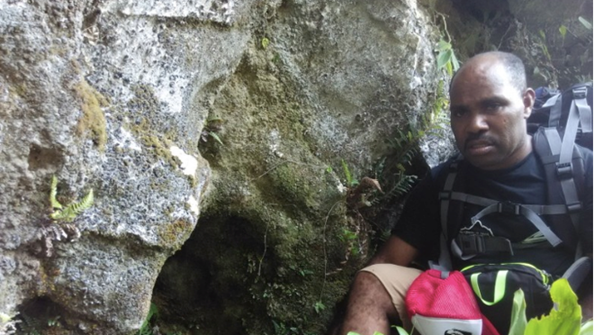
Weather plays a crucial role in Carstensz expeditions. Climbers often spend hours or even days waiting at Yellow Valley Basecamp for safe conditions.
Would you like me to help with anything else? This waiting period alters the perception of time. Stripped of the distractions of daily life, climbers become acutely aware of each passing hour, cultivating patience and acceptance.
Heightened Focus in Critical Moments
In exposed sections, such as ridges or the Tyrolean traverse, time can feel compressed. Climbers concentrate intensely on every movement, breath, and instruction. During these critical moments, minutes may pass unnoticed, as all attention is directed toward safety and balance.
A Shift Away from Clock-Based Time

On Carstensz, schedules become dictated by weather, physical condition, and safety rather than rigid timelines. Climbers learn to relinquish control over the clock, adapting to the natural rhythms of their environment. This shift often results in enhanced mental clarity and reduced stress.
Carstensz profoundly alters how climbers experience time by slowing movement, fostering patience, and sharpening focus. This changed perception is not a weakness but a vital adaptation to extreme environments. For many climbers, learning to flow with time rather than against it becomes one of the most meaningful lessons of the Carstensz expedition.