

When to Continue, When to Retreat on Carstensz Pyramid
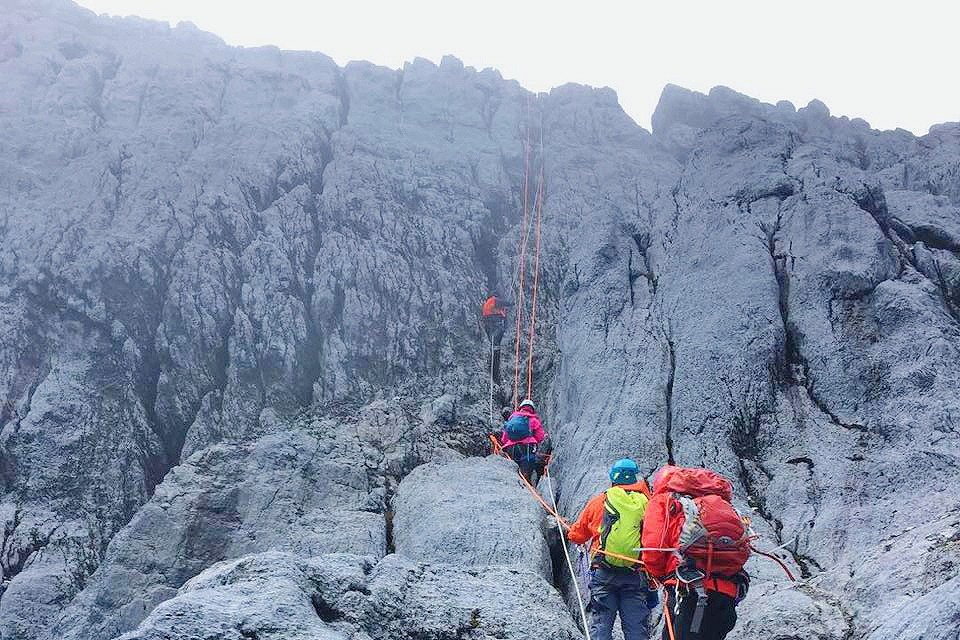
Climbing Carstensz Pyramid is not just a matter of physical strength or courage in the face of heights. On this mountain, the decision of when to continue climbing and when to retreat is often far more important than the ability to reach the summit itself. Many incidents on Carstensz do not occur due to a lack of skill, but rather because of a failure to read the conditions and push too hard to reach the summit.

Unlike long trekking mountains, Carstensz is a technical climb fraught with risk. The trail is narrow, exposed, and relies on a rope system. This means that one wrong decision can have immediate and serious consequences, not only for the individual but for the entire team.
The weather in the Sudirman Mountains is almost always the final judge. A clear morning in Yellow Valley can turn into thick fog and rain in a matter of hours. When the clouds begin to descend and cover the ridge trail, Carstensz leaves no room for error. The limestone, which was previously dry, becomes slippery, and every step on the open trail requires perfect balance. In conditions like these, continuing the climb is no longer a matter of technical ability, but rather a gamble with safety, especially since the descent uses the same route, which often carries a higher level of risk.
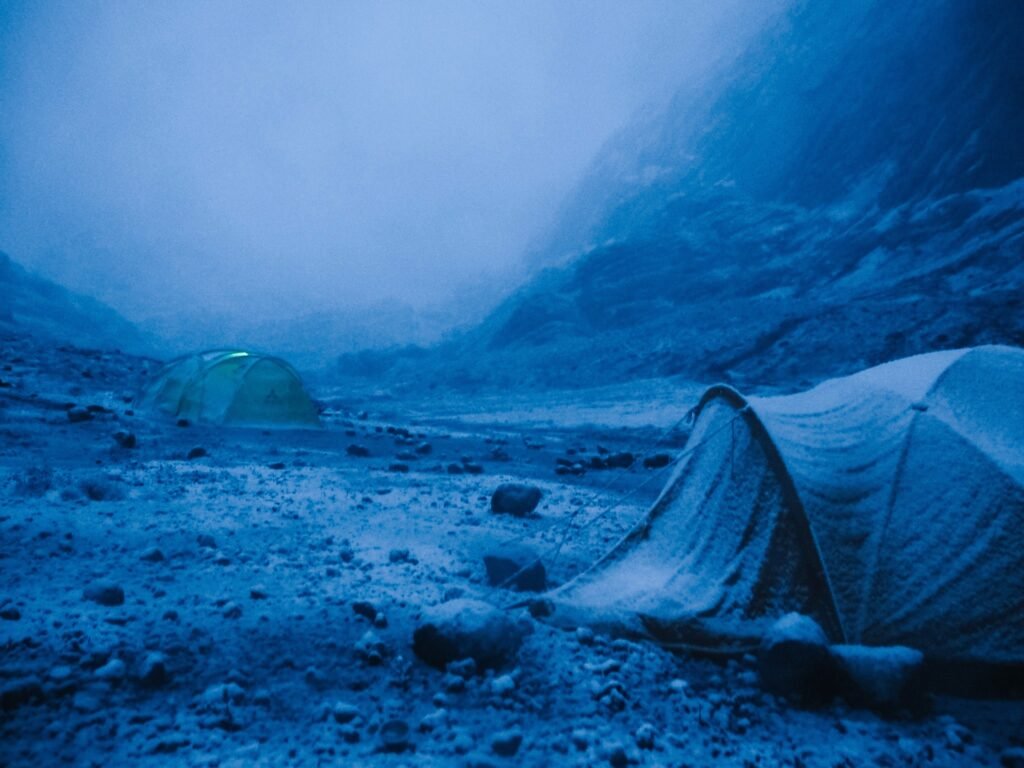
As altitude increases, the physical and mental condition of climbers also becomes an equally important determining factor. Carstensz is not a mountain that slowly drains your energy, but one that constantly drains your focus. Minor fatigue can lead to major mistakes, such as imperfect clipping or hesitant descending movements. When a climber begins to lose their composure on the open trail, or takes too long to perform simple rope maneuvers, the mountain seems to give a subtle signal that it is time to stop going any further.
Time also plays a crucial role in every decision on Carstensz. Many climbers are caught up in the illusion of “just a little further” when the summit is already in sight. However, as the day progresses, the risk of bad weather and exhaustion during the descent increases dramatically. Descending from Carstensz in dark, wet, or windy conditions is a far more dangerous scenario than failing to reach the summit. In this context, retreating before it is too late is often the most rational decision, even if it feels emotionally bitter.
Climbing Carstensz also requires collective maturity. There is no room for personal ego when the safety of the entire team is at stake. One person who is physically or mentally unprepared can slow down the rope team’s pace and increase the risk for everyone. On this mountain, leadership is tested not by how often a leader brings the team to the summit, but by how brave they are in making the decision to turn back when conditions are no longer ideal.
Ultimately, Carstensz Pyramid teaches that the summit is not the only measure of success. This mountain rewards climbers who can read the signs of nature, understand their limits, and accept that retreating is part of the journey, not the end of it. Many climbers who eventually stand on the summit of Carstensz are precisely those who once chose to turn back. On this technically demanding mountain, the decision to retreat today often becomes the reason you still have the opportunity to return and try again.