

Climbing Carstensz Pyramid is often considered a technical challenge with extreme terrain. Indonesia’s highest peak is a place that must be explored because of its steep cliffs, rapidly changing weather, and remote location. Behind every successful Carstensz climb, there is an important role played by local guides who often go unnoticed. For climbers, local guides are the link between humans, nature, and the indigenous territories that are home to Carstensz. They are more than just travel companions.
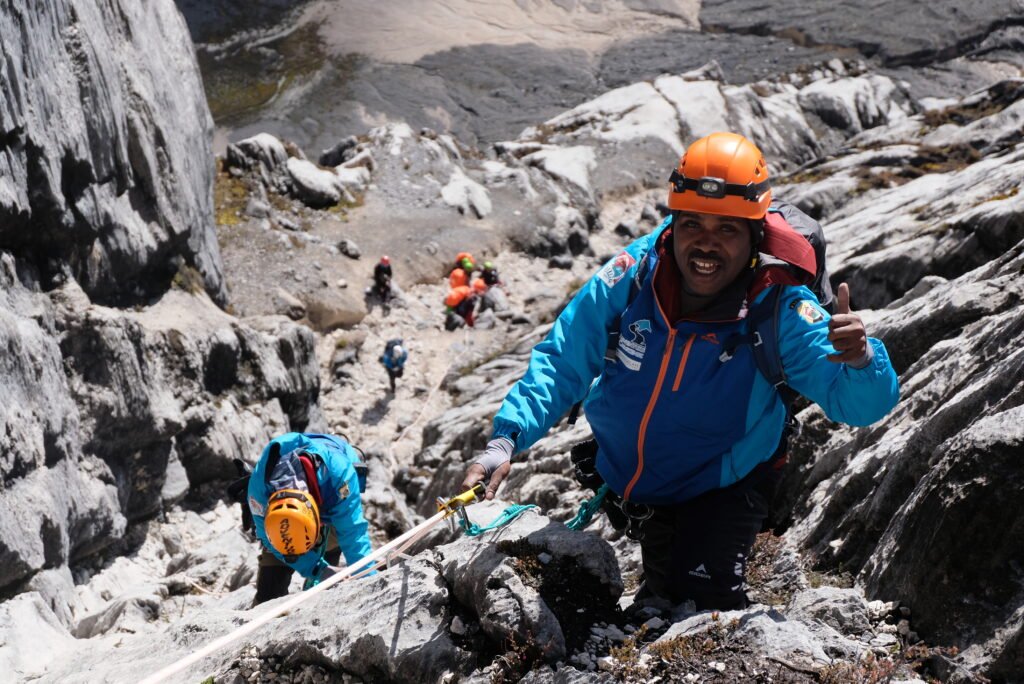
Carstensz cannot be fully understood from maps or technical data. Often, field experience is the only way to understand the climbing route, rock conditions, landslide-prone areas, and weather changes.
Local leaders have this knowledge historically and directly. They know how to read changes in wind patterns on mountain ridges or when dark clouds behind the mountains signal bad weather. Such knowledge is not documented, but it has proven to be crucial for decision-making in the field. In climbing Carstensz, one decision made too early can result in death.
Carstensz is a technical climb that requires rope skills, risk management, and mental preparedness. As part of their responsibility to ensure safety procedures are followed correctly, local guides are directly responsible for installing fixed ropes, inspecting anchors, and supervising climbers as they traverse exposed sections. In addition, local guides are often the first to notice climbers showing signs of fatigue, loss of focus, or hypothermia. Safety on Carstensz is the result of collective cooperation, not bravery.
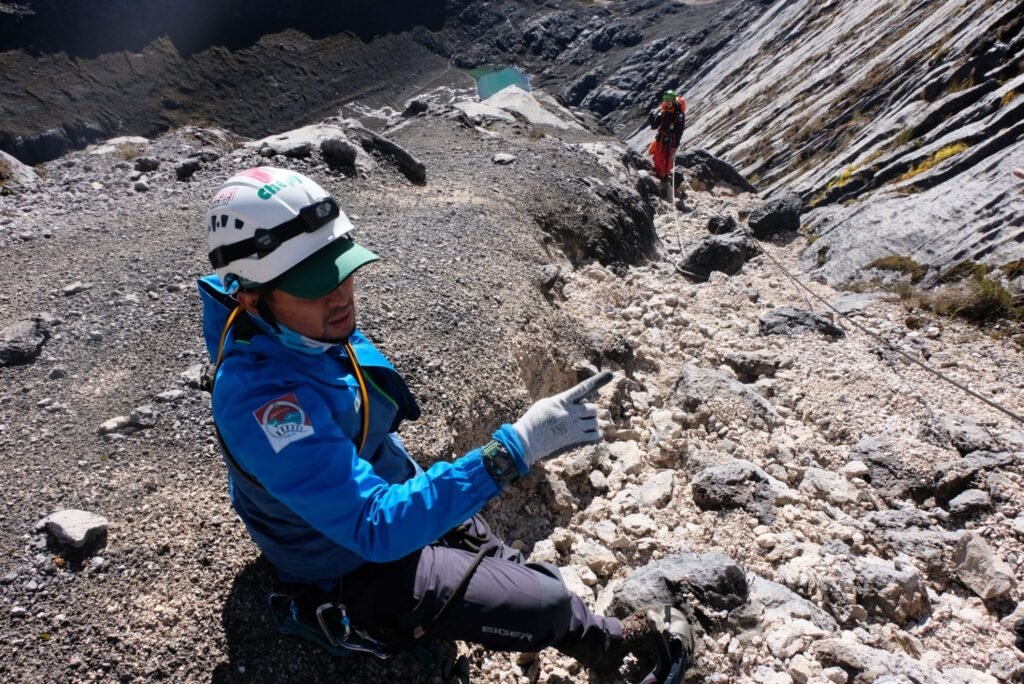
Carstensz is located in an indigenous area that has cultural and religious significance for the local community. Climbers who do not understand this context have the potential to cause social conflict. Local guides serve as a link between climbers and indigenous communities. They ensure that every action is taken with their consent, respect, and appropriate ethics. The presence of local guides helps maintain good relations between the climbing community and local communities. Respecting nature in Papua means respecting people too.
In addition to safety, local guides are essential for maintaining climbing standards. They remind climbers about things such as waste management, activity restrictions, and the Leave No Trace principles, which have been modified to suit the conditions of Carstensz. Small mistakes can have a big impact on sensitive environments. Local climbers ensure that they leave no trace that damages the environment. This approach views climbing Carstensz as a responsible act rather than a conquest of nature.