

Use it in Carstensz; Japanese Walking, Energy-Saving Walking Techniques Used by Japanese Hikers
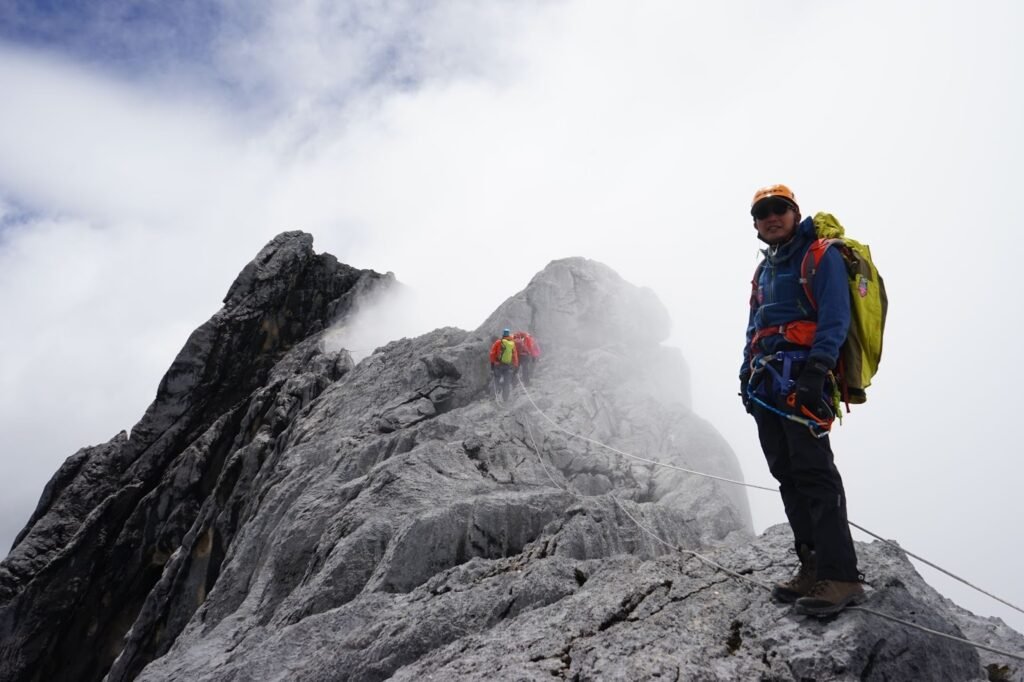
In the world of mountain climbing, the ability to regulate your pace often determines your success in reaching the summit more than physical strength alone. Many novice climbers think that the key to climbing is strong leg muscles or lung capacity. In fact, experienced climbers from various countries have methods that help them conserve energy significantly. One technique that has recently gained popularity among Asian climbers is Japanese Walking, a walking method that emphasizes efficiency, breathing rhythm, and body posture to maintain stamina on long, steep trails.
This technique is not just an ordinary walking style. Japanese Walking combines breath control, body position, and step patterns so that climbers can move more energy-efficiently, reduce the risk of injury, and maintain a stable rhythm throughout the journey. For climbers who often feel overwhelmed on long climbs, this technique can make the climbing experience easier.
1. Regulating Breathing: Two Steps In, Two Steps Out
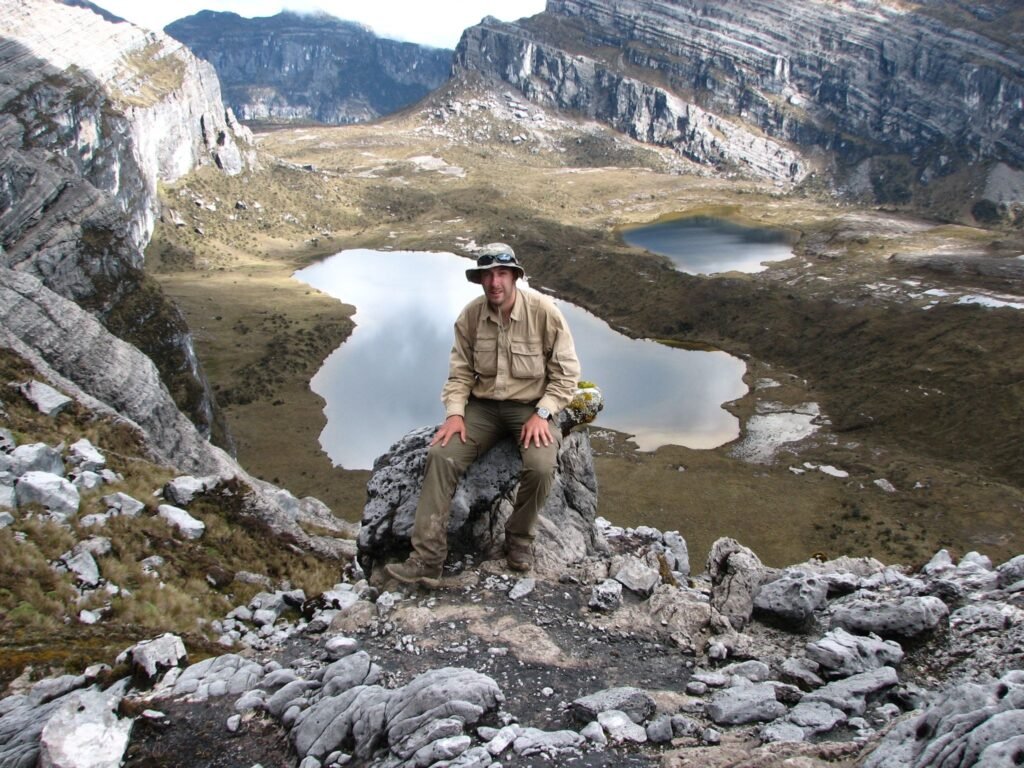
One of the most important components of Japanese Walking is breathing rhythm. The technique is simple: take two steps while inhaling, then two steps while exhaling. This pattern may sound trivial, but it has a significant effect.
When climbing an uphill trail, the body needs more oxygen. However, many climbers tend to take short breaths because they are in a hurry, so the oxygen intake is not optimal. As a result, the body tires quickly, breathing becomes labored, and the heart beats faster than it should.
Research such as that conducted by Daley et al. (2016) shows that breathing rhythms synchronized with footsteps can increase oxygen efficiency and help maintain heart rate stability. Consistent breathing rhythms can also increase work capacity and reduce fatigue during climbing activities.
With the “2 steps inhale, 2 steps exhale” pattern, hikers force themselves to maintain a stable rhythm, avoid rushing, and prevent the body from working beyond its optimal limits. The immediate response typically felt is that breathing becomes longer, calmer, and less labored, even on uphill trails.
2. Maintaining Posture When Carrying a Carrier: Stand Up Straight, Lean Forward Slightly
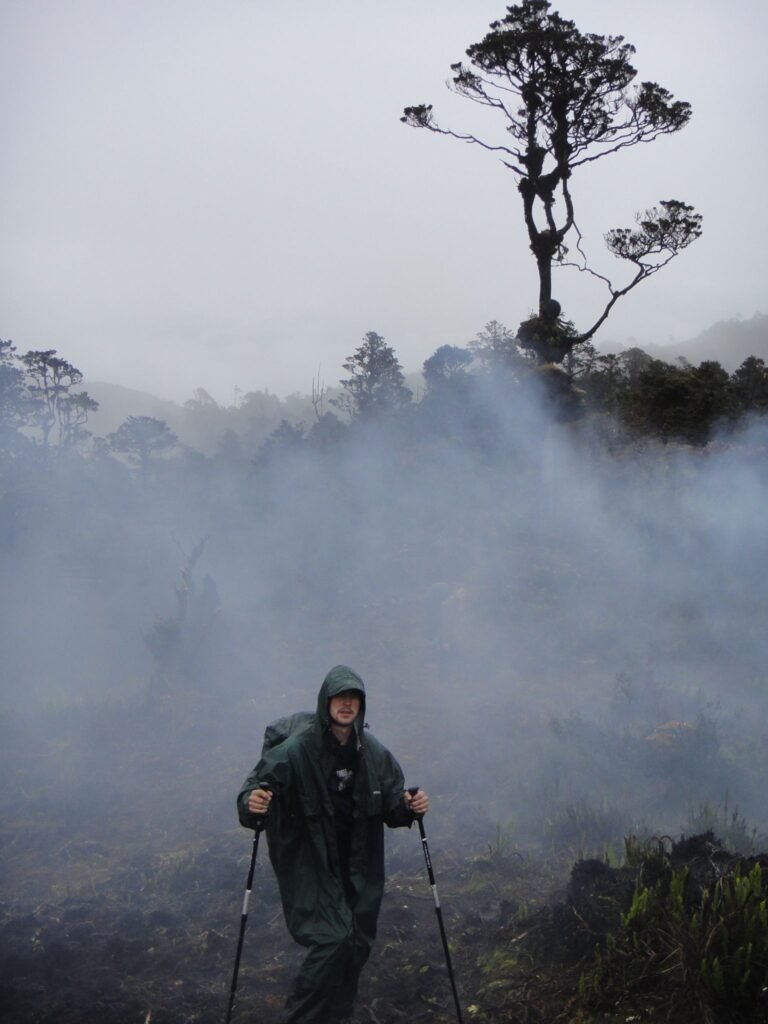
The most challenging part of hiking is not only the incline, but also the heavy load on your back. A large carrier or backpack can cause shoulder and waist pain if carried without the proper technique.
Japanese Walking emphasizes standing up straight, but leaning forward slightly, especially when carrying a load. When carrying a carrier, gravity pulls the body backward. If hikers continue to walk in an upright position or bend over too much, the weight will not be distributed properly. The weight of the carrier will put too much strain on the shoulders or hips unevenly, causing the back to tire quickly, the waist muscles to tense up, instability when stepping, and a higher risk of falling.
By leaning forward slightly, the body’s center of gravity shifts to a position that is more in line with the load. This technique has long been used in Japanese and Nepalese mountaineering training, including techniques taught to porters and expedition climbers. A more even distribution of weight across the shoulders, mid-back, and hips creates better balance. As a result, the waist does not tire quickly, the shoulders do not ache easily, and steps become more stable.
3. Use Short, Rhythmic Steps
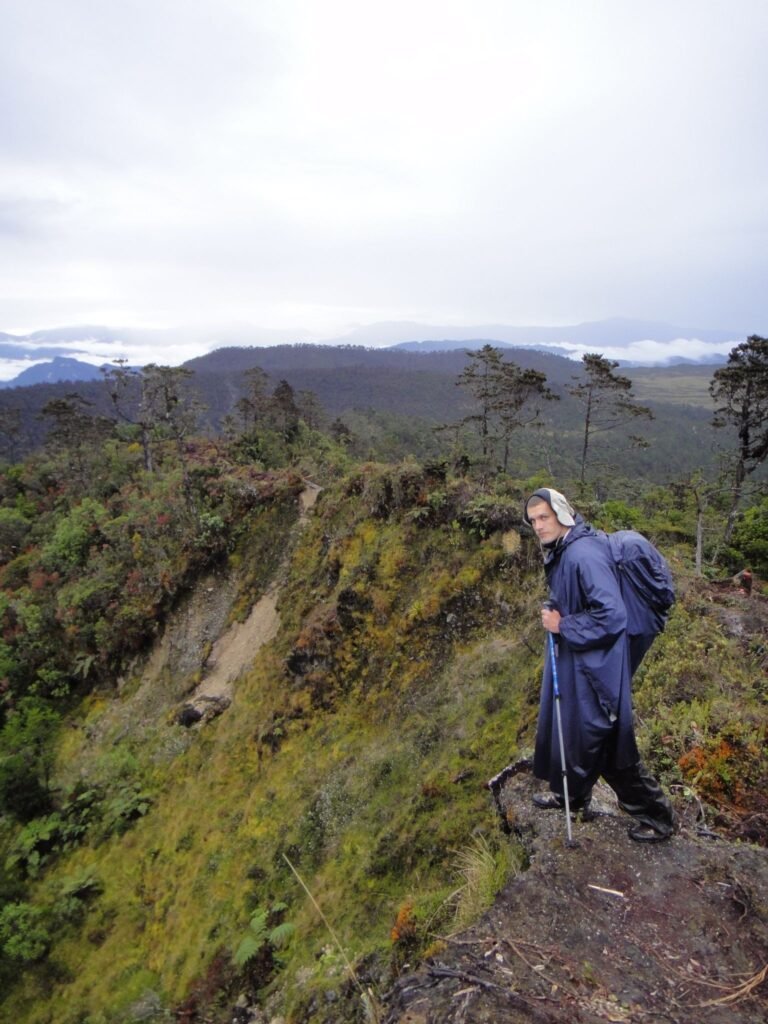
Many climbers want to conquer slopes as quickly as possible and reflexively take long strides. Unfortunately, large steps actually make the body work harder, especially the thigh and knee muscles. This causes climbers to lose energy quickly. Japanese Walking recommends taking short but consistent steps. The focus is not on speed, but on rhythm.
Short strides offer a number of important benefits for hikers. A study by O’Shea & Williams (2018) shows that long strides increase pressure on the knee joints by 20–30% due to the more extreme knee flexion angle, making short strides more joint-friendly. Additionally, short strides help maintain balance on technical terrain that is often uneven, such as rocky, sandy, or root-covered surfaces, because the center of gravity is easier to control and the risk of slipping is reduced. The stride rhythm is also more stable; the body is encouraged to maintain a consistent movement pattern so that energy is distributed evenly throughout the journey. Finally, short strides help prevent lactic acid buildup because the muscles do not work as explosively as they do with long strides, minimizing pain and extreme fatigue.
Small Technique, Big Effect
Japanese Walking may seem like a simple, even trivial technique. But when applied correctly, it can transform the way someone hikes. With a steady breathing rhythm, more stable body posture, and consistent short steps, hikers can achieve a more comfortable, safe, and energy-efficient journey.
Hiking is not just about reaching the summit, but about how the body endures and enjoys the journey. If you want a smoother and less exhausting hike, this technique is worth trying on your next trip.