

Unlike most climbing routes in Indonesia, the Carstensz Pyramid is not a peak that can be approached. Because of its difficult terrain, isolated position, and actual objective threats, it requires significantly more preparation than typical trekking. However, as interest in climbing Carstensz grows, many first-time climbers arrive with unrealistic expectations. The majority of errors committed on Carstensz occur long before the actual ascent begins, not on the summit ridge.
Carstensz as an Ordinary Trek
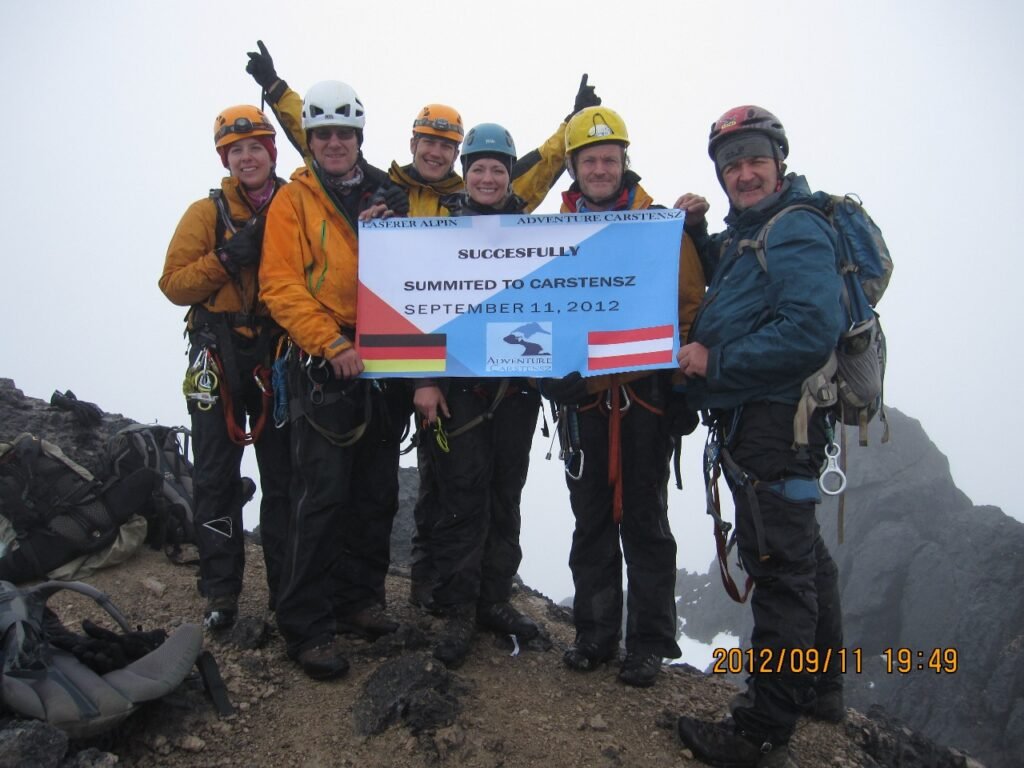
One of the most frequent errors is to believe that Carstensz is just a difficult, lengthy hike. In actuality, it is a high-altitude technical rock climb that calls for fixed ropes, rappelling, exposure control, and strong rope-handling abilities.
The summit path frequently surprises climbers who have never done rock climbing before. According to Carstensz, mental control and technical proficiency are just as important as physical power.
Inadequate Mental and Technical Readiness
Many climbers prioritize their physical training over their technical proficiency and mental preparedness. Poor decision-making becomes a major concern when dealing with vertical sections, extreme weather, or time constraints. The idea of going back is typically difficult for novice climbers. According to Carstensz, understanding when to back off is not a sign of failure; rather, it is.
Underestimating Altitude and Weather
In the Jayawijaya Mountains, the weather can change quickly. Strong winds, rain, fog, and frigid temperatures might strike suddenly. It’s common to rely only on broad weather forecasts without knowing local trends.
Acute Mountain Sickness (AMS) and other altitude-related problems are frequently underestimated. Rushing acclimatization puts climbers at danger for both significant medical crises and decreased performance.
Using Unsuitable Equipment
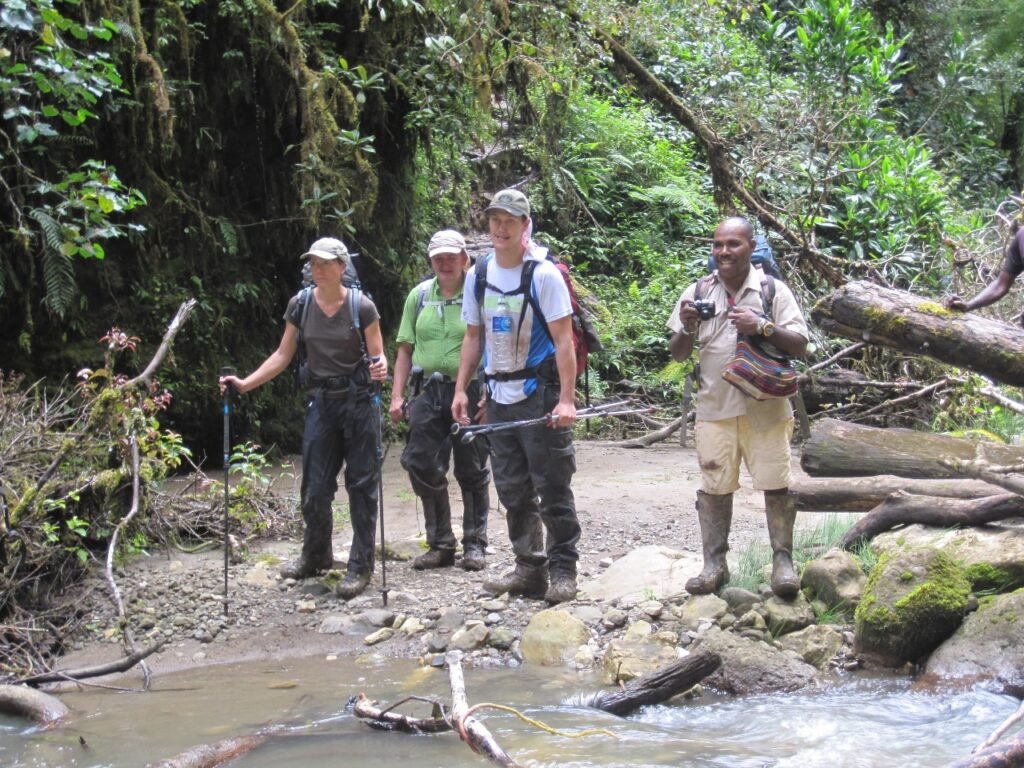
Carrying equipment that is either inappropriate or misused is another common problem. Unfamiliar safety equipment, insufficient clothes for cold and rainy conditions, and footwear not intended for tough climbing can all quickly turn into hazardous liabilities. On Carstensz, having the right equipment means nothing if you do not know how to utilize it effectively.
Disregarding Local Guides’ Role
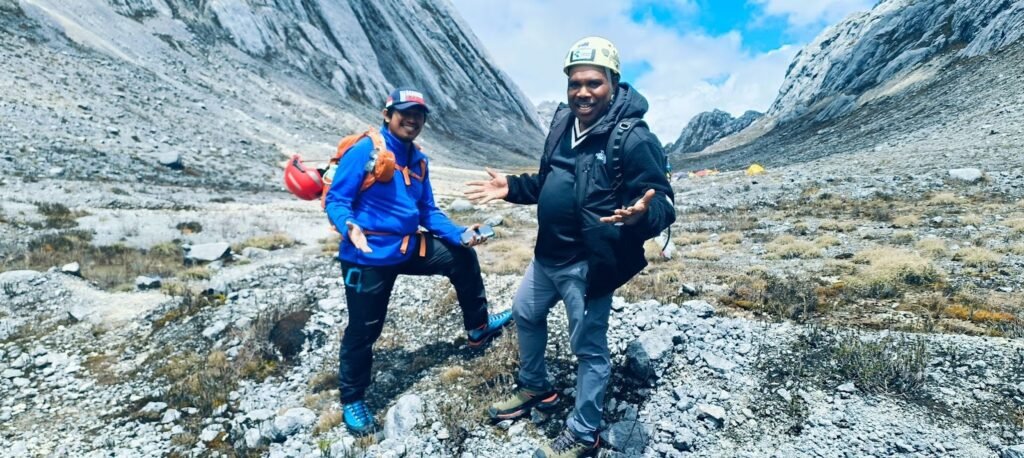
Sometimes novice climbers see guides more as logistical assistance than as vital safety companions. In actuality, local guides are essential for minimizing danger on tough parts, reading topography, and interpreting weather. Numerous preventable incidents have resulted from personal decision-making in exposed places, pushing a hazardous pace, or disobeying guide recommendations.
Focusing on the Summit
Climbers who are overly focused on reaching the summit frequently overlook warning indicators like exhaustion, waning attention, or worsening weather.
Experienced climbers know that returning safely is the true measure of accomplishment on Carstensz, not reaching the summit. One of the biggest causes of accidents in high-risk climbs is still summit mania.
Insufficient Knowledge of the Environment and Culture
Carstensz is situated in both an indigenous cultural landscape and a delicate ecology. The significance of environmental ethics and respect for local people is often overlooked by novice climbers.
In addition to harming the ecosystem, poor waste management and disrespect for regional traditions jeopardize the long-term viability of climbing activities in the area.