

Central Papua, Timika — At the foot of the majestic Carstensz Pyramid lies a climbing route with a character all its own: a narrow path that stretches directly beneath towering rock walls. This route is not merely a passage toward the highest peak in Papua, Indonesia, but also a silent witness to the power of nature and humanity’s long journey through extreme challenges.
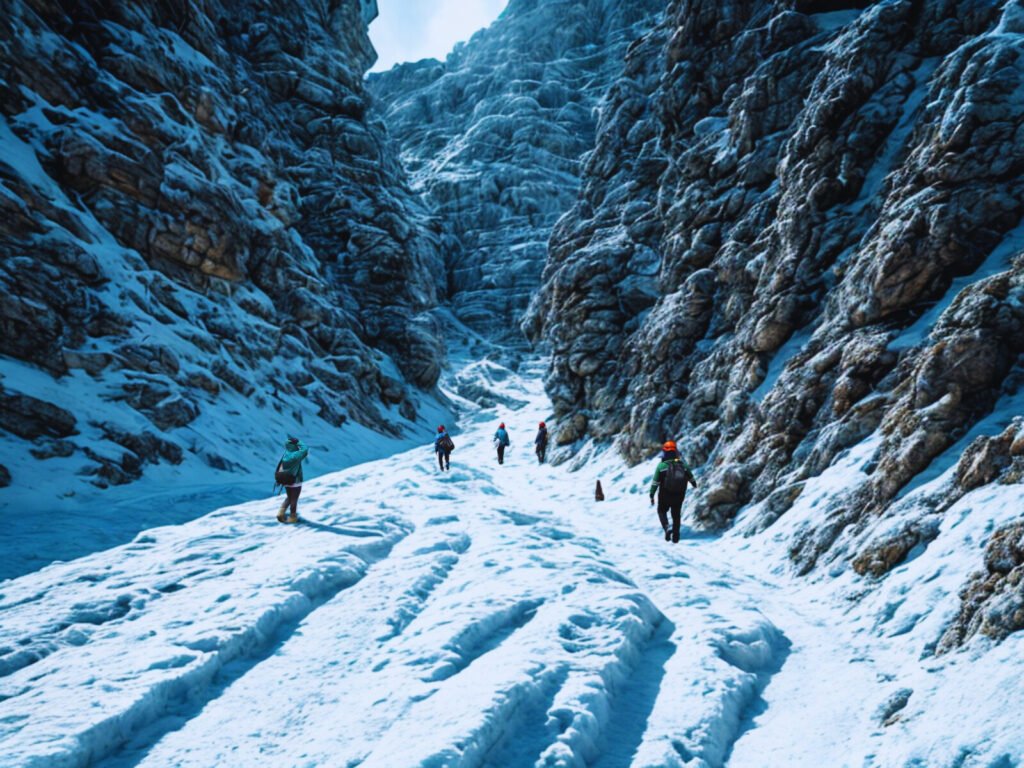
The rock walls of Carstensz Pyramid rise steeply, formed of solid and rugged karst structures. From below, the route resembles a natural corridor carved by geological processes over millions of years. Silver-gray limestone cliffs stand tall and imposing, some covered with thin moss and traced by droplets of clear mountain water, adding a wild yet almost magical atmosphere.
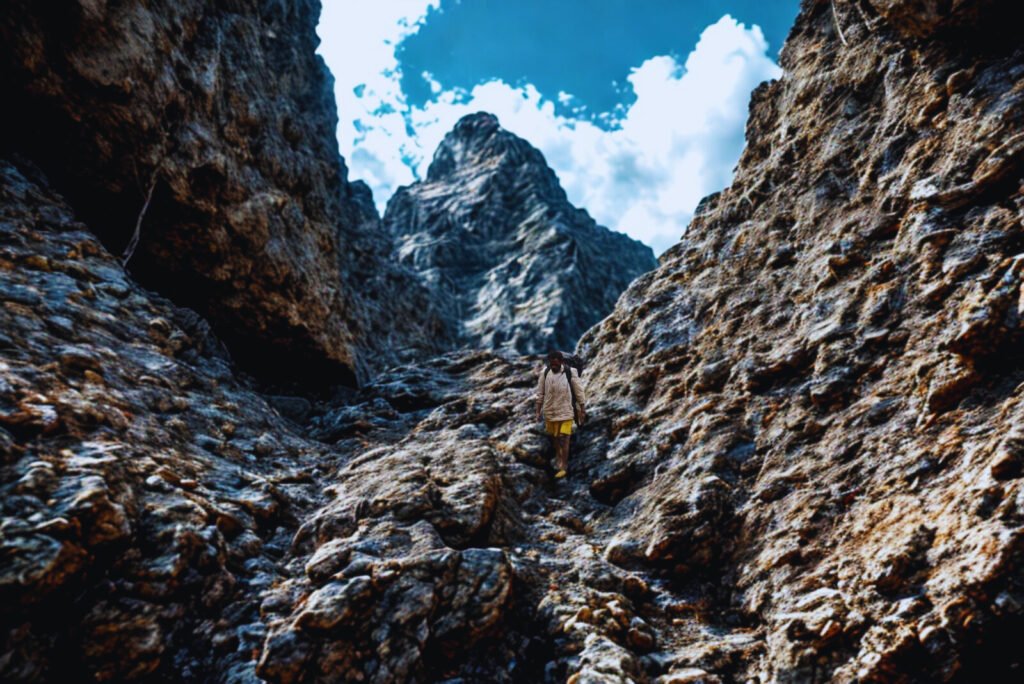
For climbers, traversing the route beneath these rock walls offers a distinctive experience. Every step must be taken with great caution due to the narrow, rocky, and often slippery terrain. Yet the fatigue is rewarded with an unmatched panorama—sheer cliffs, thin mist slowly descending, and the crisp cold air of the Nemangkawi Mountains, better known as Carstensz Pyramid.
The uniqueness of this route lies not only in its visual beauty, but also in its scientific and geological value. Carstensz Pyramid is recognized as one of the most extreme karst regions in the world. Layers of limestone uplifted to elevations exceeding 4,800 meters above sea level form a rare phenomenon, turning the path beneath the rock walls into an “open-air natural museum” for researchers and nature enthusiasts alike.
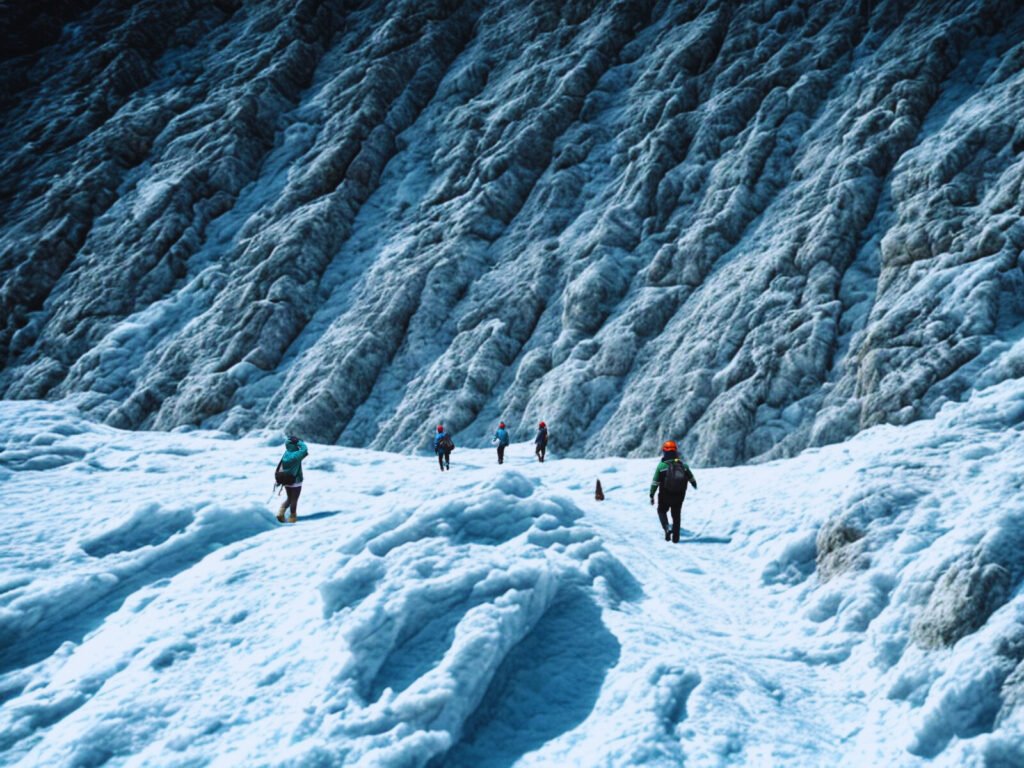
Beyond that, the route holds deep emotional meaning for both local and international climbers. Many describe it as one of the most iconic sections of the Carstensz ascent, as it tests not only physical endurance but also mental resilience. Here, climbers learn to merge with nature, to respect personal limits, and to maintain balance between courage and caution.
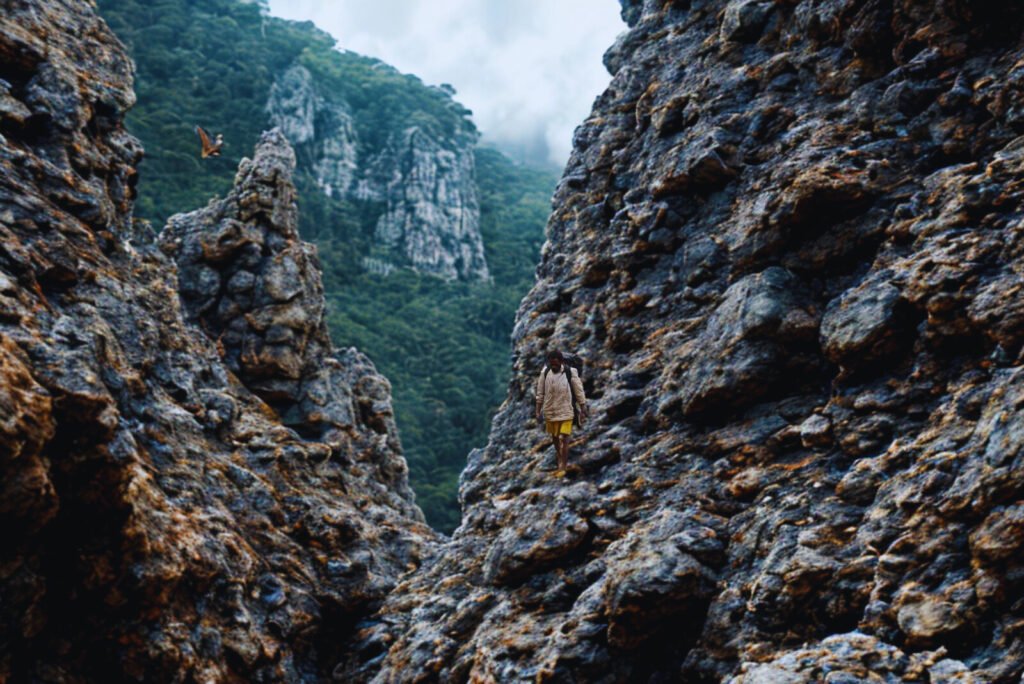
Amid the modernization of mountaineering, the route beneath the rock walls of Carstensz Pyramid remains authentic. There are no artificial paths, no engineered landscapes—only stone, wind, and human footsteps. It is this very uniqueness that continues to make Carstensz Pyramid so captivating, not merely as Indonesia’s highest peak, but as an enduring symbol of the irreplaceable grandeur of Papua’s natural world. (AC)