

Lorentz National Park: A Global Treasure Worth Protecting
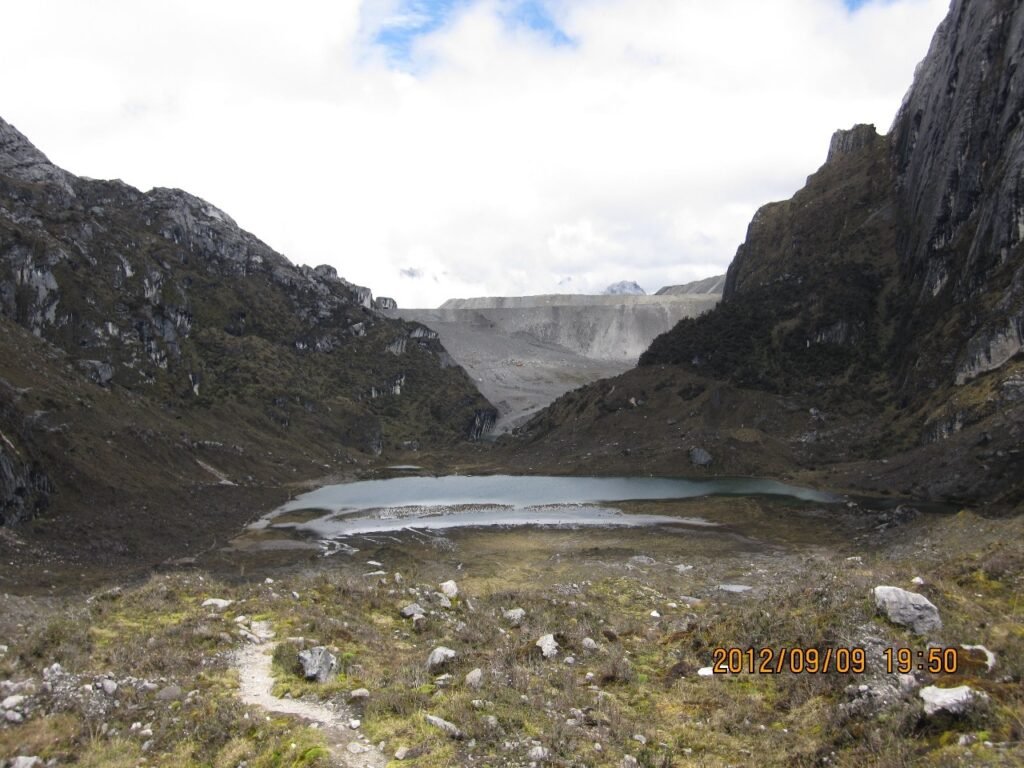
Lorentz National Park in Papua, Indonesia, is the largest protected area in Southeast Asia, spanning more than 2.3 million hectares of extraordinary landscapes. Recognized as a UNESCO World Heritage Site, Lorentz is the only place on Earth where an uninterrupted ecosystem transition from tropical coastal wetlands to permanent alpine glaciers exists within a single region.
This vast wilderness is home to over 630 bird species, more than 200 mammals, rare flora, and iconic animals such as the tree kangaroo, cassowary, and multiple species of birds-of-paradise. With its exceptional ecological, geological, and cultural significance, Lorentz National Park represents one of the world’s most important conservation priorities.
Environmental Threats to Lorentz National Park
Despite its remoteness, Lorentz faces several environmental challenges that put its delicate ecosystems at risk. These include:
1. Climate Change and Glacier Retreat
The tropical glaciers in the Carstensz region—located within Lorentz—are rapidly shrinking. Scientists predict that Indonesia may lose its last remaining glaciers within the next decade if warming trends continue.
2. Unregulated Human Activities
Illegal land clearing, wildlife poaching, and unauthorized resource extraction threaten the natural balance of the park, especially in its lower-altitude zones.
3. Limited Monitoring Access
The sheer size of Lorentz and its rugged terrain make regular patrols and real-time monitoring difficult, leaving remote areas vulnerable to exploitation.
Ongoing Conservation Efforts in Lorentz
To ensure the park’s long-term protection, multiple conservation initiatives have been implemented by government agencies, local communities, and environmental organizations.
1. Strengthening Management and Enforcement
Indonesia’s Ministry of Environment and Forestry is actively working to enhance monitoring, improve ranger presence, and enforce environmental regulations across the park’s vast territory.
2. Collaboration With Indigenous Communities
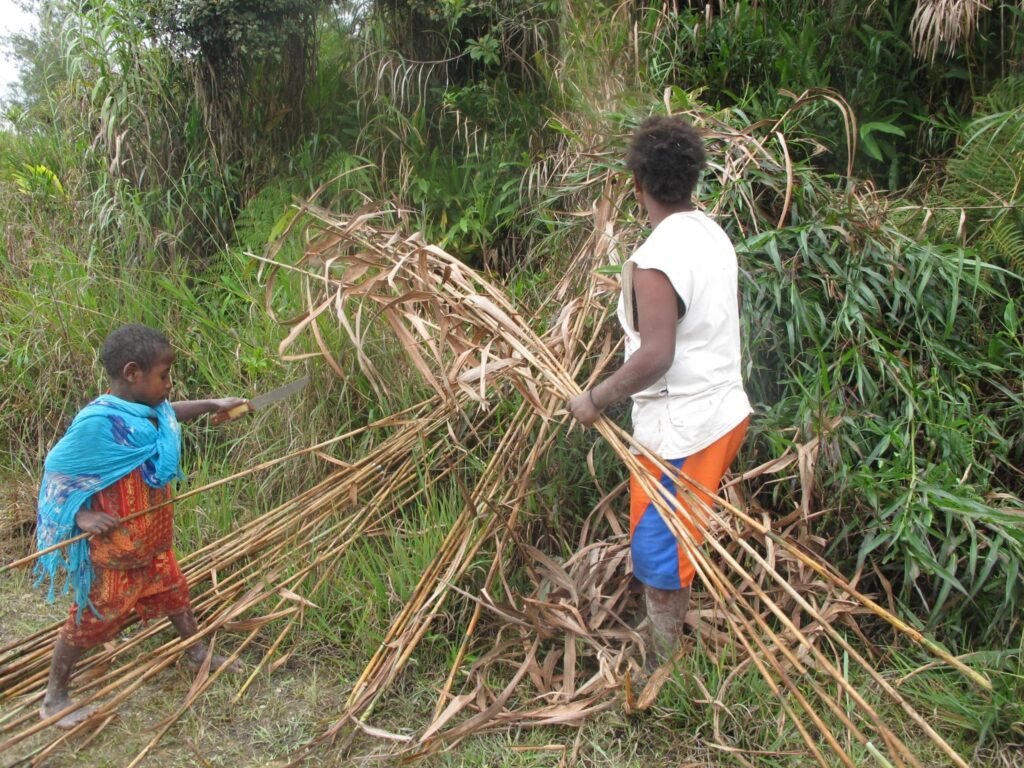
Indigenous groups such as the Amungme, Dani, and other highland communities have lived in the region for thousands of years. Their traditional ecological knowledge plays a vital role in sustainable land management and conservation practices.
3. Scientific Research and Biodiversity Monitoring
National and international researchers conduct ecological surveys, wildlife studies, and climate assessments to better understand the park’s ever-changing ecosystem and to support long-term conservation strategies.
4. Education and Sustainable Ecotourism
Environmental education and carefully managed ecotourism programs help raise awareness while providing economic opportunities for local residents. Responsible tourism encourages global appreciation for Papua’s natural heritage without compromising ecological integrity.
The Role of Ecotourism in Protecting Lorentz
Sustainable ecotourism, when properly regulated, can significantly support conservation efforts. Visitors from around the world travel to Lorentz and the surrounding Carstensz Pyramid region to experience its untouched beauty and unique ecosystems.
Benefits of ecotourism include:
- Funding for conservation programs and patrols
- Job creation for local communities
- Increased global awareness of Papua’s environmental significance
However, all tourism activities must remain legal, controlled, and environmentally responsible to preserve the park for future generations.
Preserving Lorentz for the Future
Lorentz National Park is one of the world’s last great wildernesses—an irreplaceable ecological and cultural treasure. Protecting it requires strong policies, community involvement, scientific research, and sustainable tourism practices.
By safeguarding Lorentz today, we help protect Indonesia’s biodiversity, Papua’s natural identity, and one of Earth’s most remarkable landscapes for generations to come.