

Central Papua, Timika — In the heart of the tropics, a region known for dense rainforests and warm temperatures, Indonesia holds an almost unimaginable natural wonder: eternal snow on the summit of Carstensz. Located in the Nemangkawi Mountains of Central Papua, this area is the only place in Southeast Asia that hosts tropical glaciers.
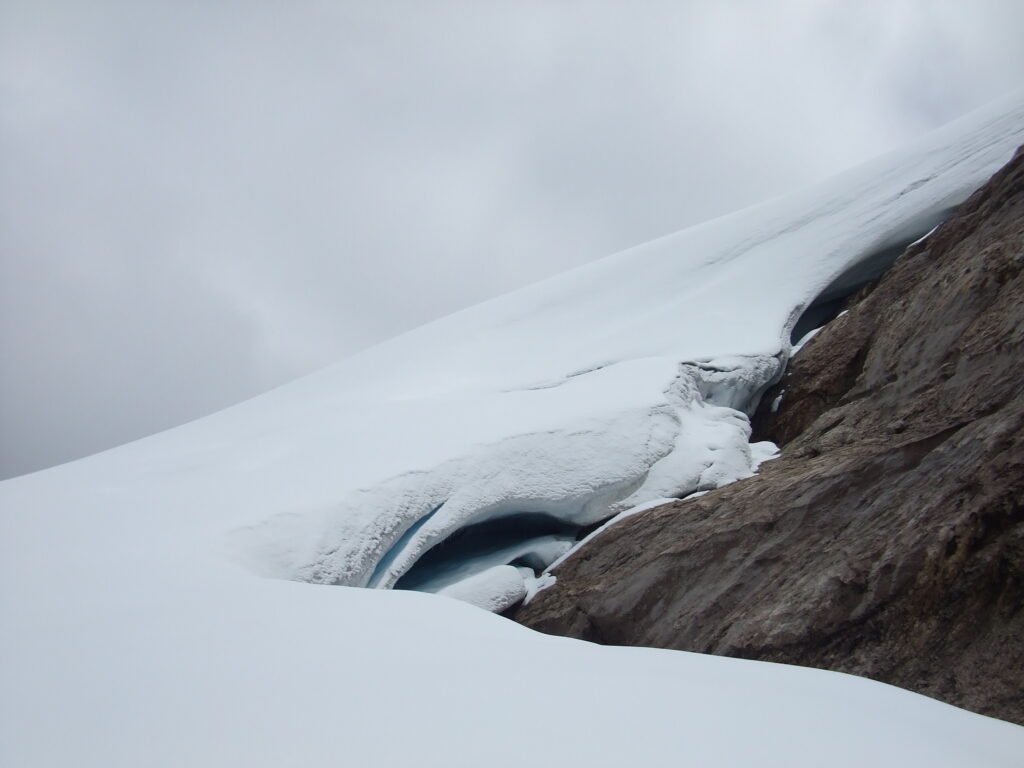
At an elevation of over 4,884 meters above sea level, sheets of ice and snow still persist on the peak of Carstensz Pyramid. This phenomenon makes Carstensz a geographical anomaly—where a tropical climate meets the extreme conditions of high-altitude mountains. Thin mist, cold winds, and rugged limestone landscapes create a striking contrast with the lush green forests stretching far below.
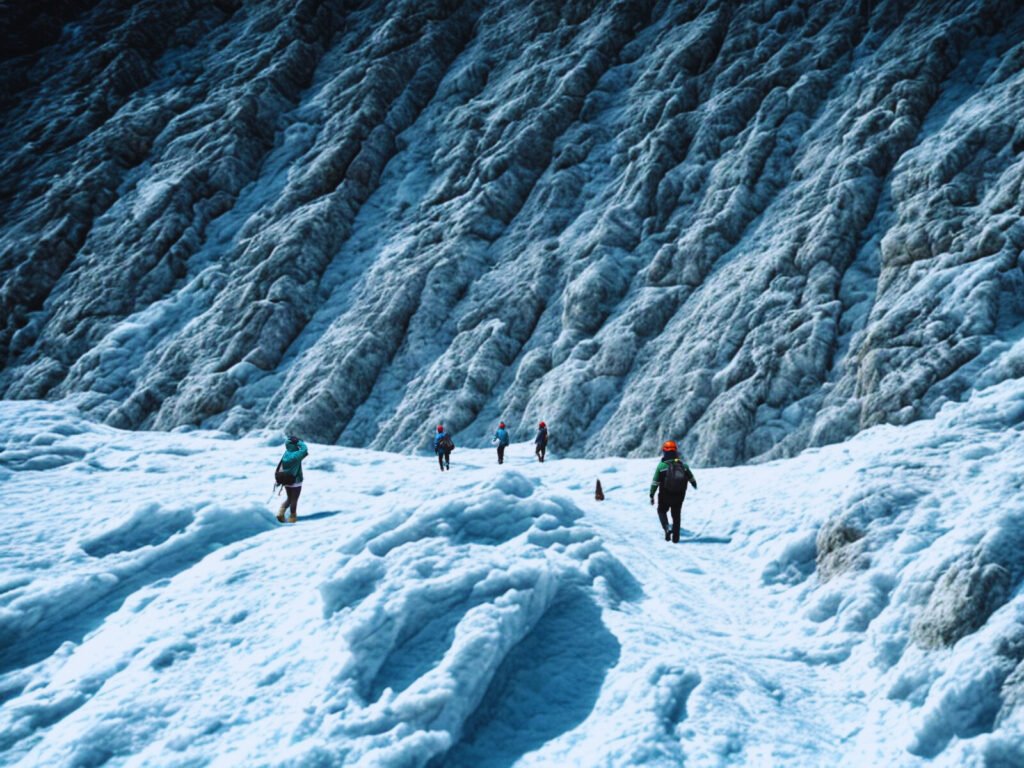
The presence of snow in a tropical region has long attracted the attention of scientists, climate researchers, and climbers from around the world. The Carstensz glaciers are part of a rare natural heritage with high scientific value, particularly in the study of global climate change. Over recent decades, the extent of this permanent snow has continued to shrink, making it an important indicator of the dynamics of global warming.
For the people of Papua, Carstensz is not merely the highest point in Indonesia, but also part of a sacred landscape deeply connected to nature and life. The uniqueness of eternal snow atop tropical land reinforces Carstensz’s status as a symbol of Papua’s natural grandeur—harsh, silent, and full of mystery.
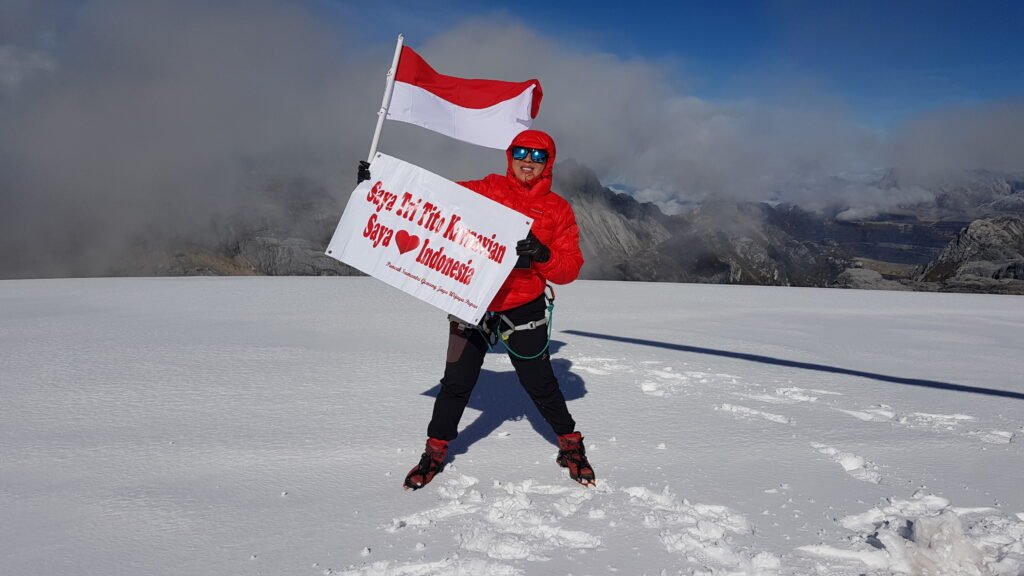
For climbers, standing before the snowfields of Carstensz is a deeply moving experience. On one side, their eyes meet the cold white ice; on the other, the awareness that they are standing just below the equator creates a sense of awe that is difficult to put into words.The eternal snow of Carstensz is not only a natural marvel, but also a reminder. It teaches that nature has its own way of expressing uniqueness, while delivering an important message about the need to protect environmental balance—even in places that seem most untouched. (AC)