

Central Papua – On the global map, Carstensz Pyramid is famous as one of the most challenging peaks in Oceania. However, for the indigenous tribes of Papua, this mountain is more than just an extreme climbing destination. Carstensz is also known by a more sacred name: Nemangkawi, a name that embodies history, identity, and a strong bond between humans and the Jayawijaya mountains.
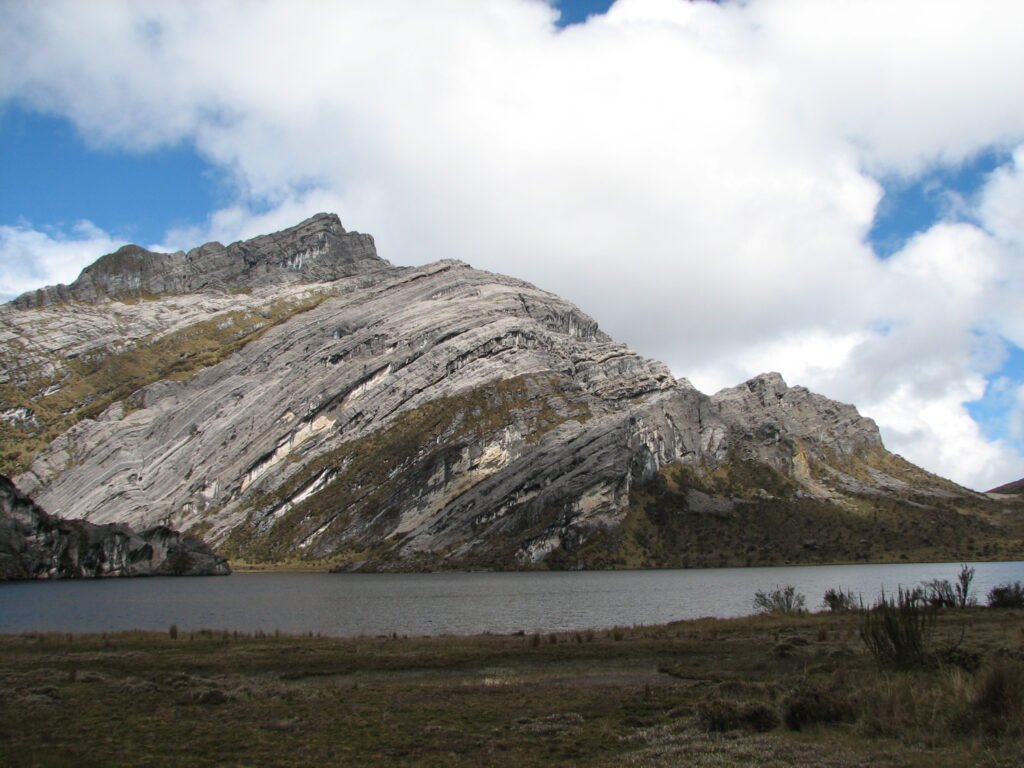
Carstensz Pyramid was first recorded by Dutch explorer Jan Carstenszoon in 1623. Centuries later, the name Carstensz became widely known among international climbers as it was included in the Seven Summits list.
However, for the Amungme tribe, the indigenous community in the high mountains of Papua, this mountain has long been known as Nemangkawi, which is considered a culturally sacred area, the resting place of ancestral spirits, and a region that should not be treated carelessly.
“Indigenous communities have lived alongside these mountains long before climbers from outside came to know them. For them, Nemangkawi is not a place to be conquered, but a place that must be respected,” said a traditional leader in the Mimika region.
In the Amungme tribal tradition, the high mountainous region symbolizes life. Nemangkawi is considered the “ruler” of the customary are the source of strength and wisdom. Several ancestral rituals are held by directing the body and prayers toward its peak.
This spiritual connection means that the area around the mountain is considered a region that should not be opened up indiscriminately for activities that damage nature. This principle is also the reason why some local communities emphasize the importance of keeping the climbing trails environmentally friendly.
Despite its deep cultural significance, Nemangkawi still attracts climbers from all over the world. The challenging terrain, extreme weather, steep rock trails, and access through valleys and forests make it one of the most difficult climbs.
A survey by expedition operators shows an increase in climber enthusiasm over the past two decades, mainly because Carstensz is now included in Messner’s Seven Summits list. However, this increase in visitor numbers also has an impact: the importance of managing climbing routes that are more sensitive to the cultural and environmental context.
“Climbing Carstensz requires more than just technical skills. Climbers must also respect the cultural values associated with this mountain,” said a local guide in the Sugapa area.
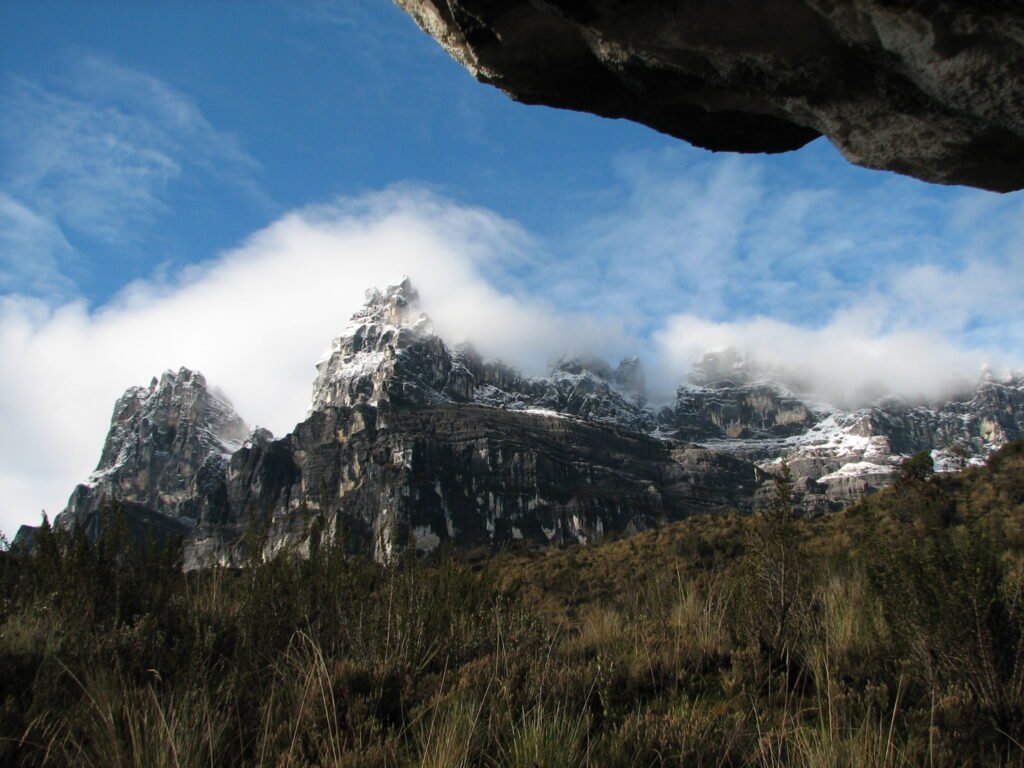
In addition to cultural challenges, the Nemangkawi region also faces serious environmental changes. Researchers have observed that the ice cap on the summit of Carstensz has been thinning in recent decades. This phenomenon is not only a scientific issue, but also a concern for indigenous communities who view the mountain as a symbol of natural balance.
The reduction of ice, the increase in climbing activities, and extreme weather changes accelerate the need to protect this area. Various local groups are promoting a more responsible model of tourism so that Nemangkawi can be preserved for future generations.