

Why Papua’s Peak Truly Belongs
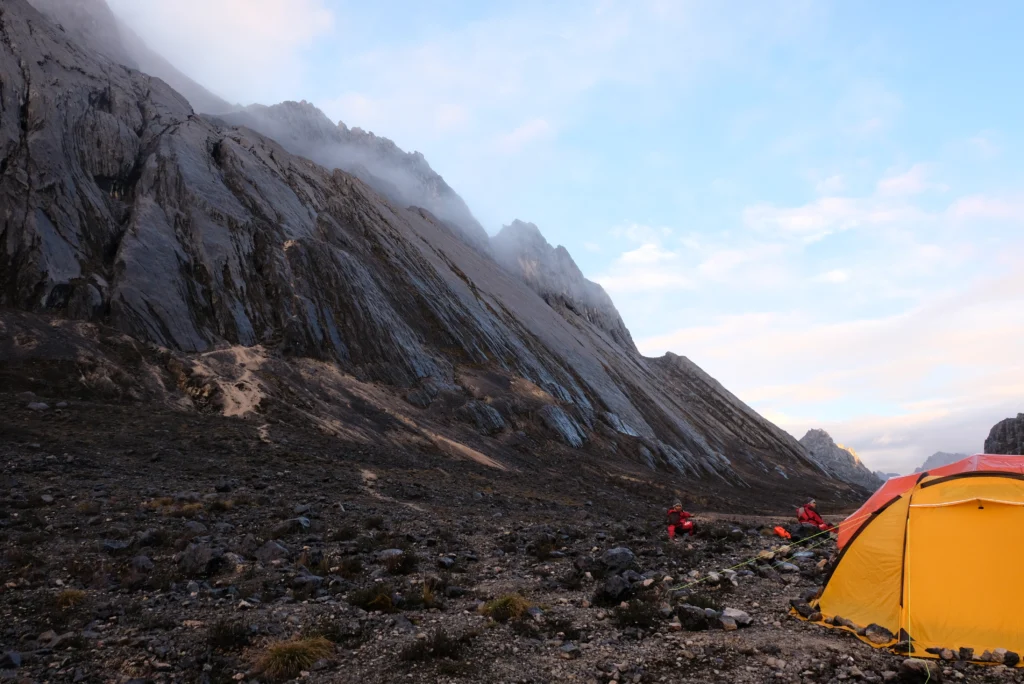
For decades, climbers around the world have been captivated by the dream of completing the Seven Summits, the challenge of reaching the highest peak on every continent. Names like Everest, Aconcagua, Denali, Kilimanjaro, Elbrus, Vinson and Carstensz Pyramid are now legendary in the mountaineering community. But behind this famous list lies one of the longest running debates in modern climbing.
Which mountains truly count, and why does Carstensz Pyramid hold such a crucial place?
The argument begins with the continents themselves. Geographically, Earth has six continents, not seven. Europe is technically a peninsula of the Eurasian landmass, not a separate physical continent. If the Seven Summits were based strictly on geography, the list would include only six peaks. Yet from a cultural and political perspective, Europe has long been recognized as its own continent, which is why the list keeps seven. Even then, the question becomes more complicated when climbers must choose between Elbrus, the tallest mountain in the Caucasus, and Mont Blanc, the iconic giant of the Alps. Depending on which definition you follow, the list suddenly shifts.
Then comes one of the biggest questions of all. Does Carstensz Pyramid truly belong to the Seven Summits? The short answer from most serious climbers is yes. Absolutely. Without it, the challenge loses both its geographical integrity and its spirit of adventure.
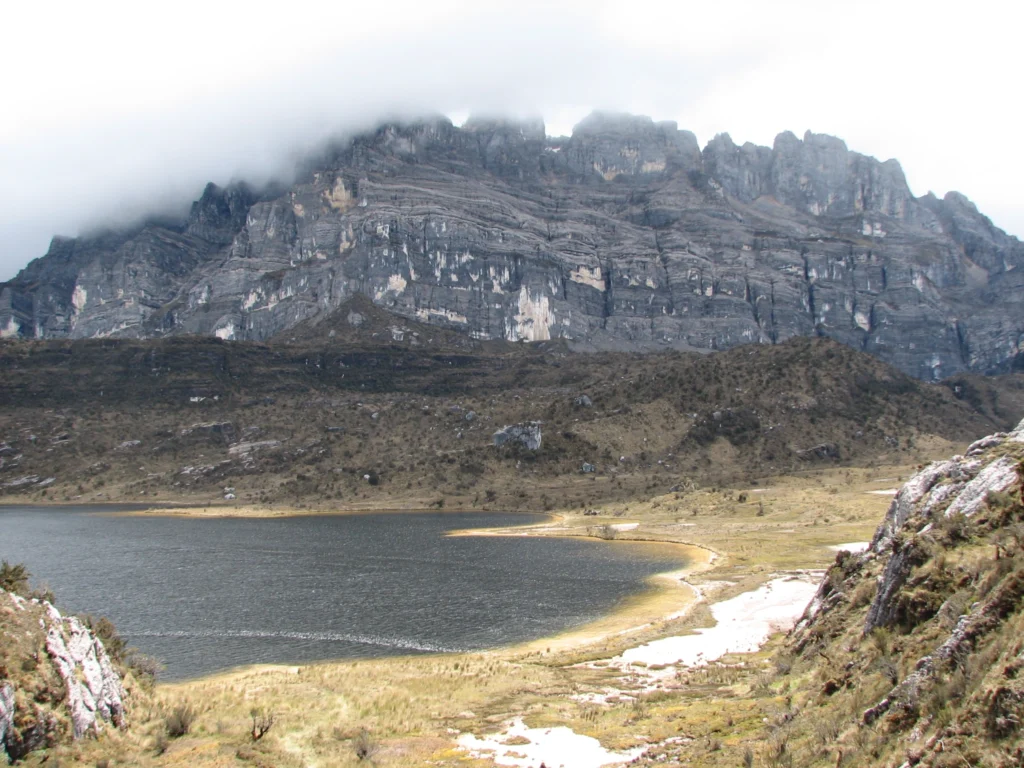
Carstensz Pyramid stands in Papua at the heart of the Sudirman Range. At 4,884 meters, it is the highest peak of the vast Australia–New Guinea tectonic block. Geologically and historically, New Guinea and Australia were once connected by land, forming a single continental mass. This explains why Papua’s wildlife mirrors that of Australia and why many of its Indigenous cultures share ancient links with the peoples of the Australian continent. From this perspective, Carstensz Pyramid is unquestionably the highest point of the Australasia continental plate.
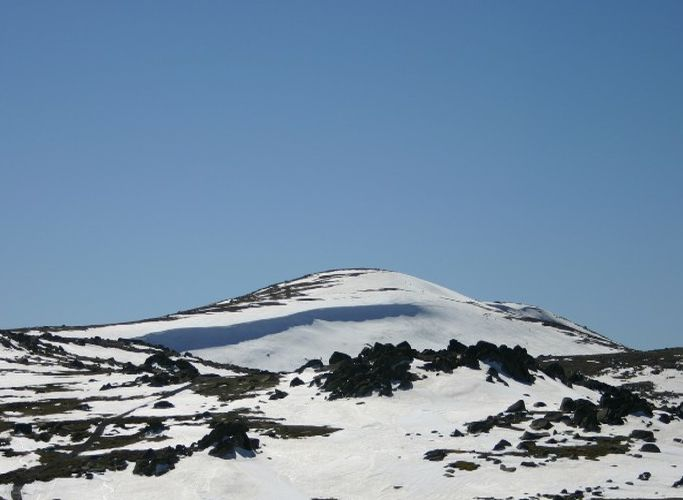
Climbers also argue that Kosciuszko should not replace Carstensz. Kosciuszko, while culturally significant to Australia, is a simple walk-up mountain. It does not offer the technical challenge or the dramatic alpine environment expected from a Seven Summits peak. Reinhold Messner and many of the world’s leading mountaineers agree that Carstensz Pyramid is the true summit of the Australasia region, both geographically and athletically. Without it, the project loses the difficulty that defines the Seven Summits.
History supports this view as well. Since Dick Bass first introduced the Seven Summits concept, climbers have followed two versions of the list: Bass’s version and Messner’s version. Over time, the Messner list, which includes Carstensz Pyramid, has become the standard among experienced mountaineers. Hundreds of climbers have completed the challenge with Carstensz as their Australasia summit and the number continues to grow each year. Ask any adventurer who has stood on all seven high points and most will tell you the same thing. The Seven Summits are not complete without Papua’s towering limestone peak.
Today, Carstensz Pyramid stands as a symbol of raw adventure, Indigenous heritage and unmatched tropical alpine climbing. Its rugged walls, unpredictable weather and remote approach make it one of the most challenging and unforgettable mountains on Earth. For those who aim to complete the Seven Summits the right way, Carstensz Pyramid is not optional. It is essential.
Adventure Carstensz is proud to guide climbers from around the world to this iconic summit. If you are chasing the Seven Summits dream, your journey through Papua begins here.
Ready to take on the most exotic peak of the Seven Summits?