

Carstensz Pyramid: The Vertical Jewel of the Seven Summits
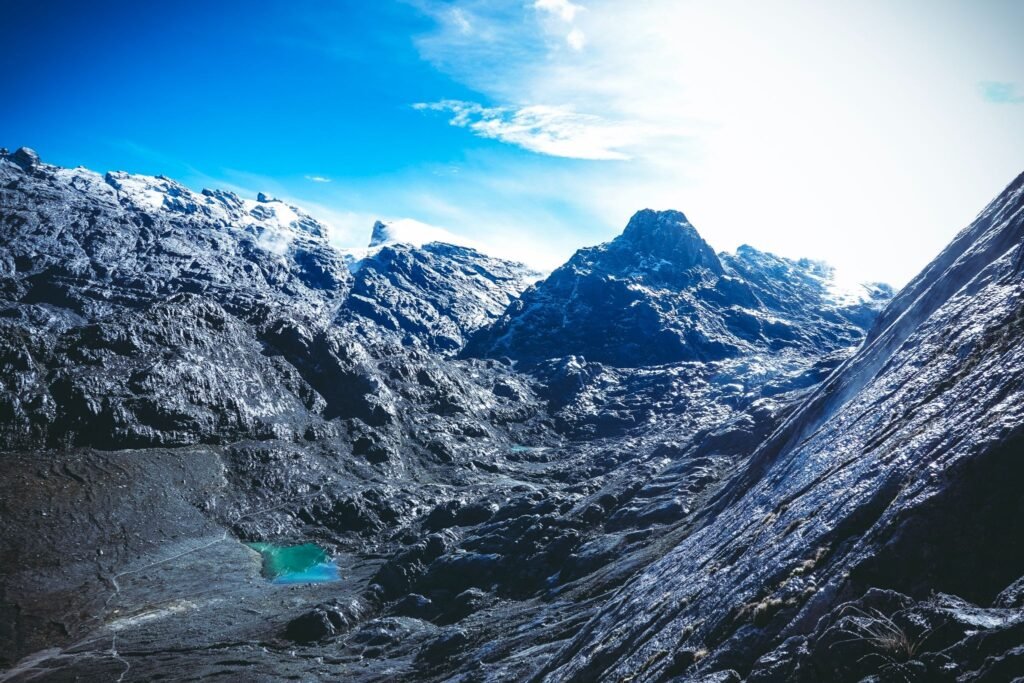
Standing at 4,884 meters (16,024 feet) above sea level, Puncak Jaya—more commonly known as Carstensz Pyramid—occupies a unique position in the mountaineering world. Located in the remote Sudirman Range of Papua, Indonesia, it is the highest point in Oceania and a crown jewel of the prestigious Seven Summits.
While it may be the lowest in elevation among the highest peaks of the seven continents, its reputation among elite climbers is anything but “easy.”
Why Carstensz is Truly Special
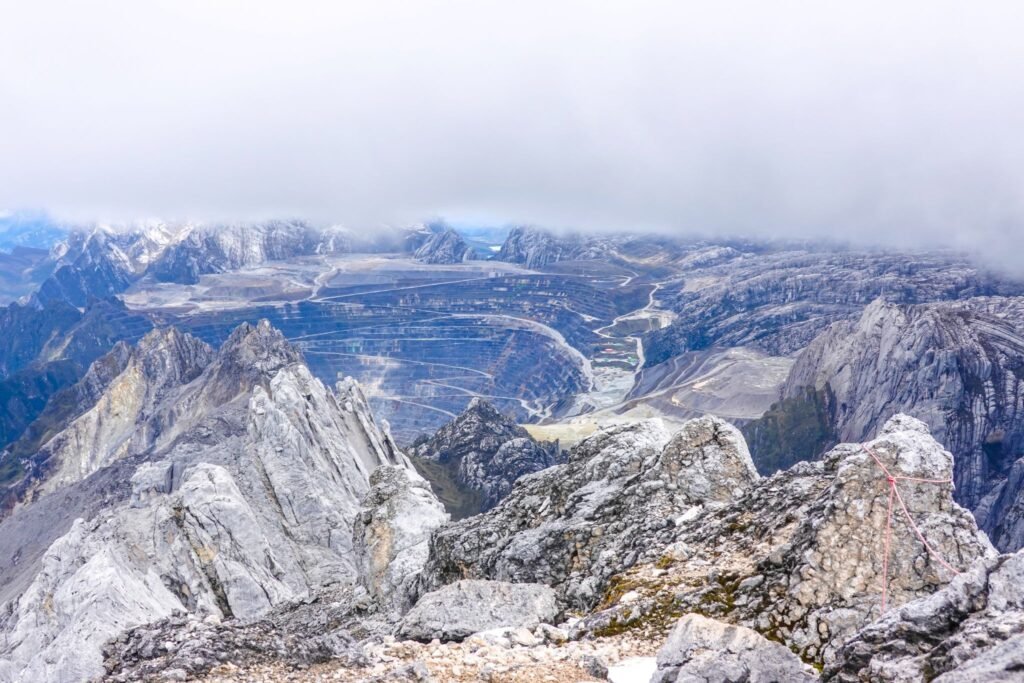
Carstensz Pyramid is a geological anomaly. Unlike the snowy slopes of Kilimanjaro or the icy massifs of Vinson, Carstensz is a massive limestone escarpment rising sharply from the dense Indonesian jungle.
- The Rare Tropical Glacier: It is one of the very few places near the equator where permanent glaciers exist, though they are sadly retreating rapidly due to climate change.
- A Cultural Journey: Reaching the base camp often involves trekking through some of the most remote rainforests on Earth, home to indigenous tribes with ancient traditions.
- The Messner List: While some debate whether Australia’s Mount Kosciuszko (2,228m) should be the seventh summit, Reinhold Messner, the legendary mountaineer, argued that Carstensz is the true continental high point due to its technical difficulty and geological significance.
The Paradox: Lowest Height, Highest Technicality
Don’t let the “lowest summit” title fool you. In the world of high-altitude climbing, elevation is only one part of the equation. Carstensz is widely considered one of the most technically demanding of the Seven Summits for several reasons:
1. Rock Climbing Skills are Mandatory While Aconcagua or Elbrus are largely “trekking peaks,” Carstensz requires actual rock climbing. The ascent involves long sections of Class 5 technical rock climbing. Climbers must be comfortable with heights and proficient in using fixed ropes.
2. The Infamous Tyrolean Traverse The most iconic challenge of Carstensz is a jagged 15-meter gap near the summit. To cross it, climbers must perform a Tyrolean traverse, sliding across a single rope suspended over a terrifyingly deep abyss. Even with modern bridges occasionally installed, the exposure is enough to test the nerves of the most seasoned alpinists.
3. Unpredictable Weather Papua’s weather is notoriously erratic. You can start a climb in humid tropical heat and end it in a freezing blizzard. The limestone rock becomes incredibly slippery when wet, turning an already technical climb into a treacherous scramble.
4. Extreme Logistics Getting to the mountain is a challenge in itself. Whether you choose a multi-day trek through dense jungle or a helicopter flight into the base camp, the political sensitivity of the region and the isolation of the terrain make it one of the most expensive and difficult expeditions to organize.
Conclusion
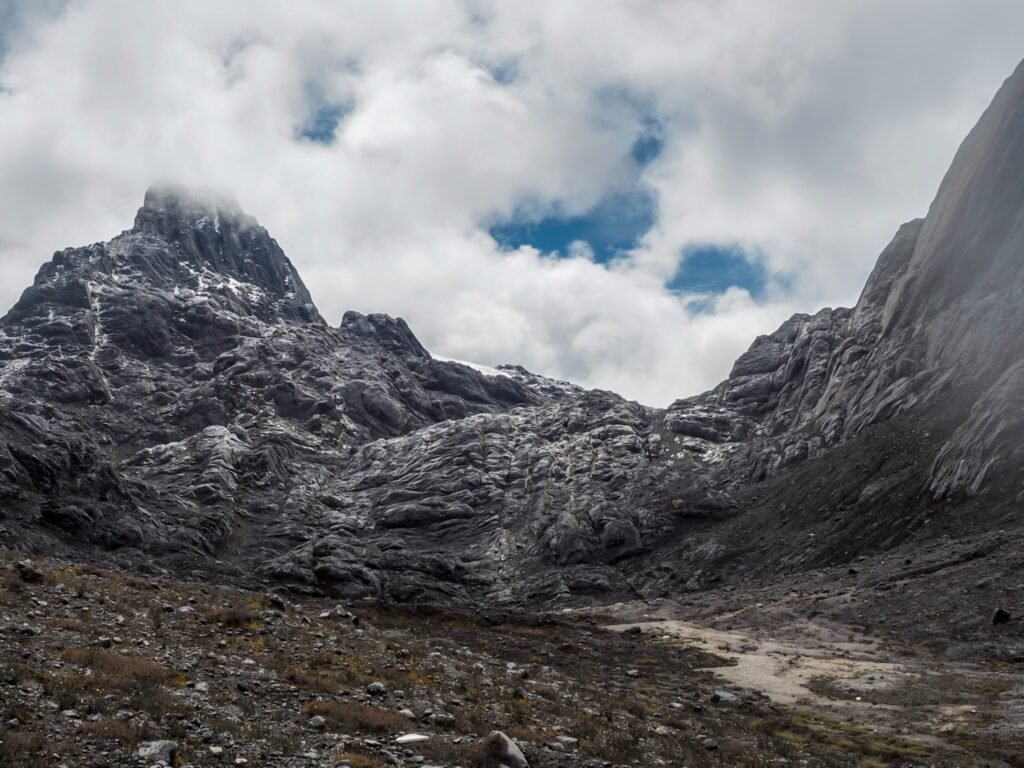
Carstensz Pyramid proves that a mountain’s greatness isn’t measured solely by its height. It is a peak of sharp edges, deep mist, and raw technical challenge. For those seeking to complete the Seven Summits, Carstensz is often the “wild card”—the one that requires the most grit, the best rope skills, and a deep respect for the unpredictable nature of the tropics.