

Climbing mountains is frequently depicted as a journey to the top. However, seasoned climbers are aware that success is determined long before the first step is made on the trail, not during the last push. The key to differentiating a safe journey from a dangerous one is preparation.
As climbing continues to gain popularity, it is more important than ever to prepare. Mountains don’t change with the times, yet people frequently show up unprepared.

The climber’s body is the most crucial piece of equipment. Strength is only one aspect of physical preparedness; other skills include endurance, balance, and the capacity to adjust to altitude and shifting terrain. Climbers can withstand lengthy routes and erratic weather with the support of cardiovascular conditioning, leg strength, and general stability. However, understanding one’s own boundaries is as crucial. When a body is overworked, it becomes a liability instead than an asset. Climbing is a long procedure rather than an instant test of daring.
Many climbing incidents are caused by bad decisions made under stress rather than physical incapacity. Summit ambition, exhaustion, fear, and inclement weather can all impair judgment. Being prepared mentally entails having the ability to go back. Retreating is frequently a sign of experience rather than failure when mountaineering. There will always be mountains, but safety won’t.
Better preparation does not always follow from carrying more equipment. Suitability is important; equipment needs to be appropriate for the weather, altitude, duration, and terrain.
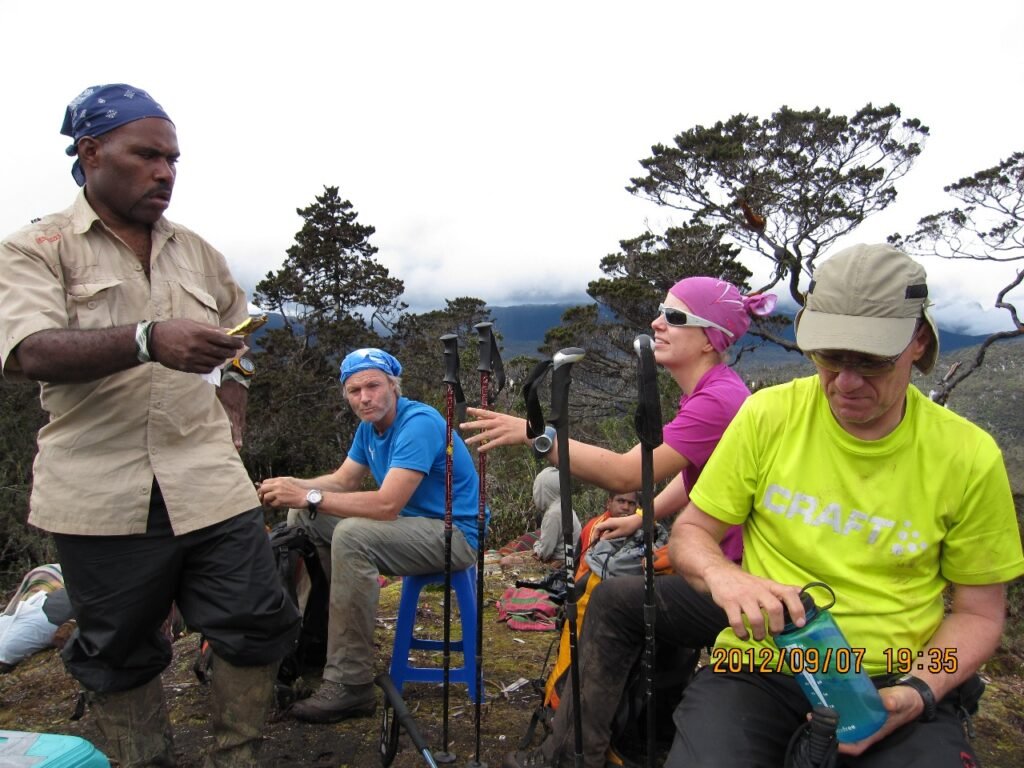
The foundation of proper preparation consists of appropriate footwear, layered clothing systems, safety equipment, and well considered supplies. One equipment malfunction might have major repercussions in steep climbs. The first step in effective preparation is to ask yourself what is necessary and what is just extra weight. Without a thorough awareness of the terrain, no climb should start. Critical stages that are frequently disregarded include studying maps, learning about route characteristics, recognizing risk zones, and comprehending weather patterns. Teams can make logical judgments when conditions change when they have a defined climbing strategy that includes departure schedules, rest locations, and emergency tactics. Uninformed improvisation is rarely safe in the mountains.
Climbing is rarely done alone. Safety is a shared duty among team members. Being prepared entails making sure each member is aware of their responsibilities, communicates clearly, and is prepared to assist one another. The goal of risk management is to identify and manage danger rather than to completely eradicate it. Climbers who are prepared don’t depend on chance.
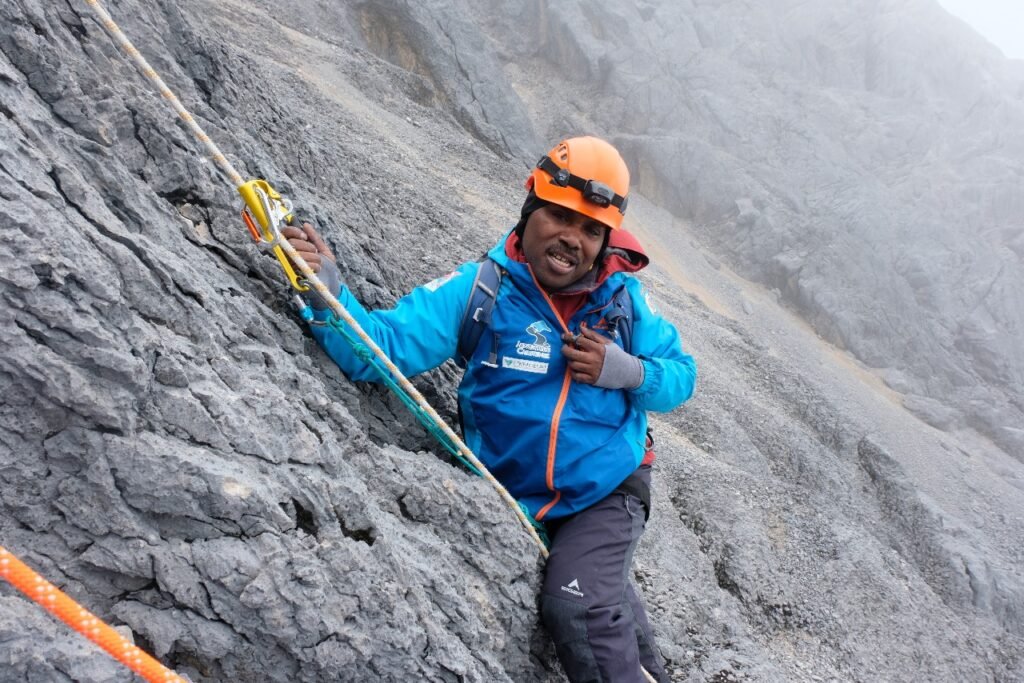
Understanding climbing ethics is another aspect of preparation. Modern climbers have basic obligations to minimize their influence on the environment, manage waste, and respect established routes.
Mountains are not transient places. Every little choice, from route selection to waste management, has long-term consequences. True preparedness goes beyond ambition to include reverence for the natural world.