

Conquering Carstensz Pyramid: A Climb in the Heart of the Papua Mountains
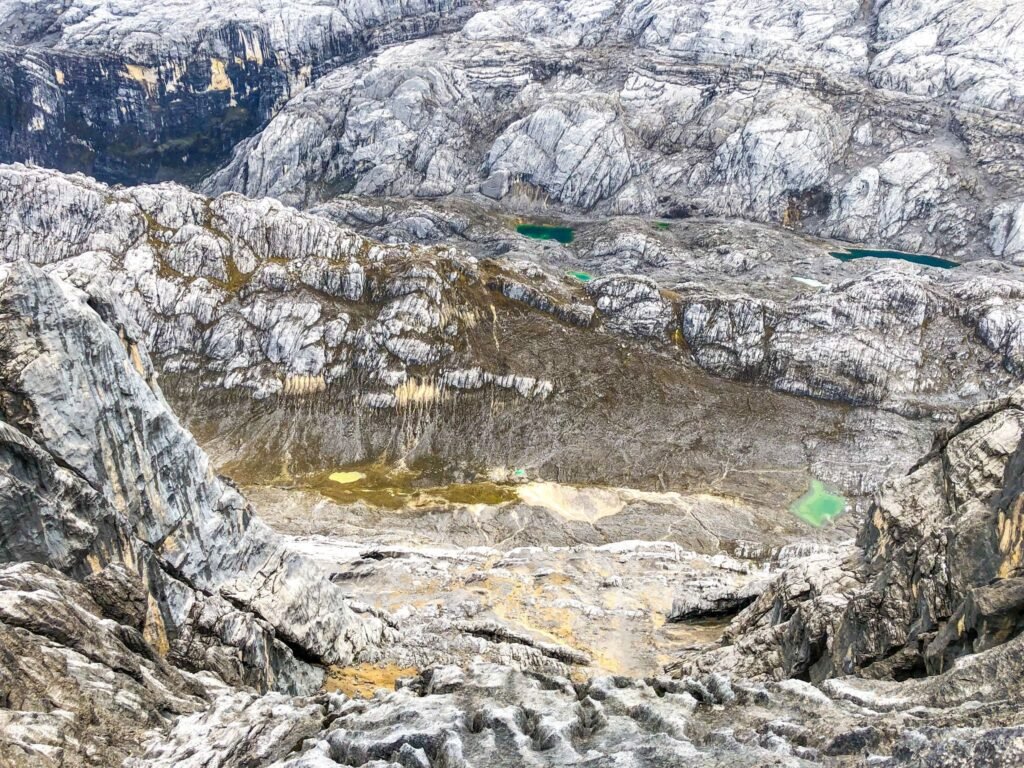
Carstensz Pyramid is not only the highest mountain in Indonesia, but also one of the most technically challenging climbs among the Seven Summits. Unlike other high mountains that emphasize physical endurance and acclimatization, Carstensz demands technical mountaineering skills, from climbing limestone cliffs to rope maneuvers on narrow, exposed paths.
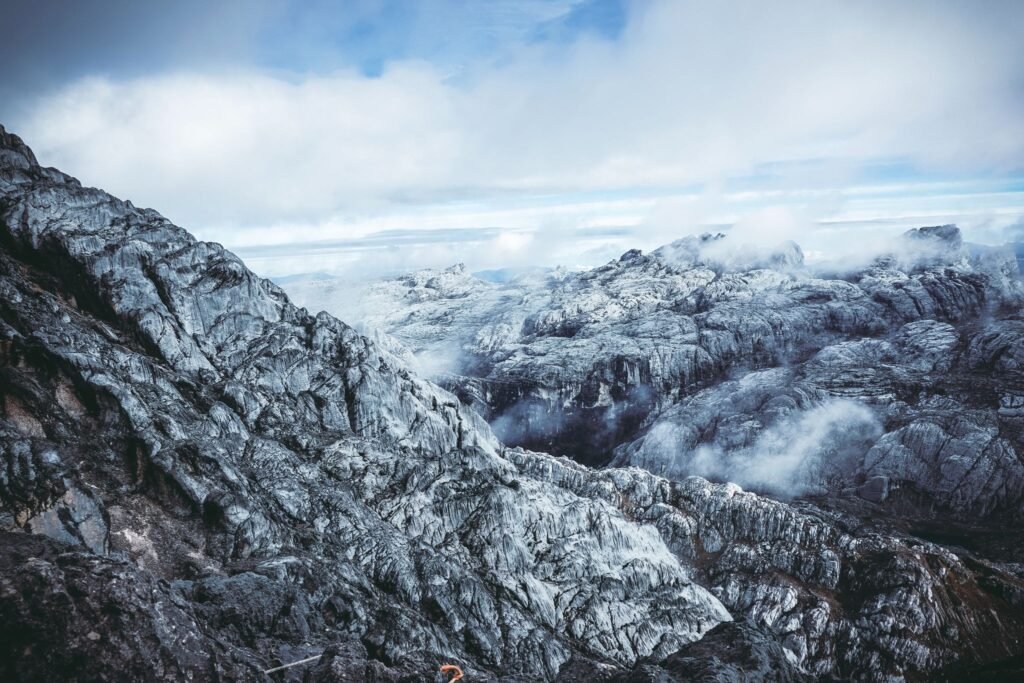
The sharp and fragile limestone rock of Carstensz means that every step must be carefully calculated. The main climbing route is not a long trek, but a series of rock climbing, scrambling, and fixed ropes that require mastery of basic to advanced techniques. For this reason, Carstensz is often considered a mountain with a “short distance but high risk.”
One of the most crucial sections is Summit Ridge, a narrow ridge at an altitude of nearly 4,900 meters. At this point, climbers must move along a path only one to two feet wide, with gaping precipices on both sides. The use of harnesses, carabiners, and clipping techniques is absolutely essential. Strong winds and sudden fog often narrow the margin for safety.
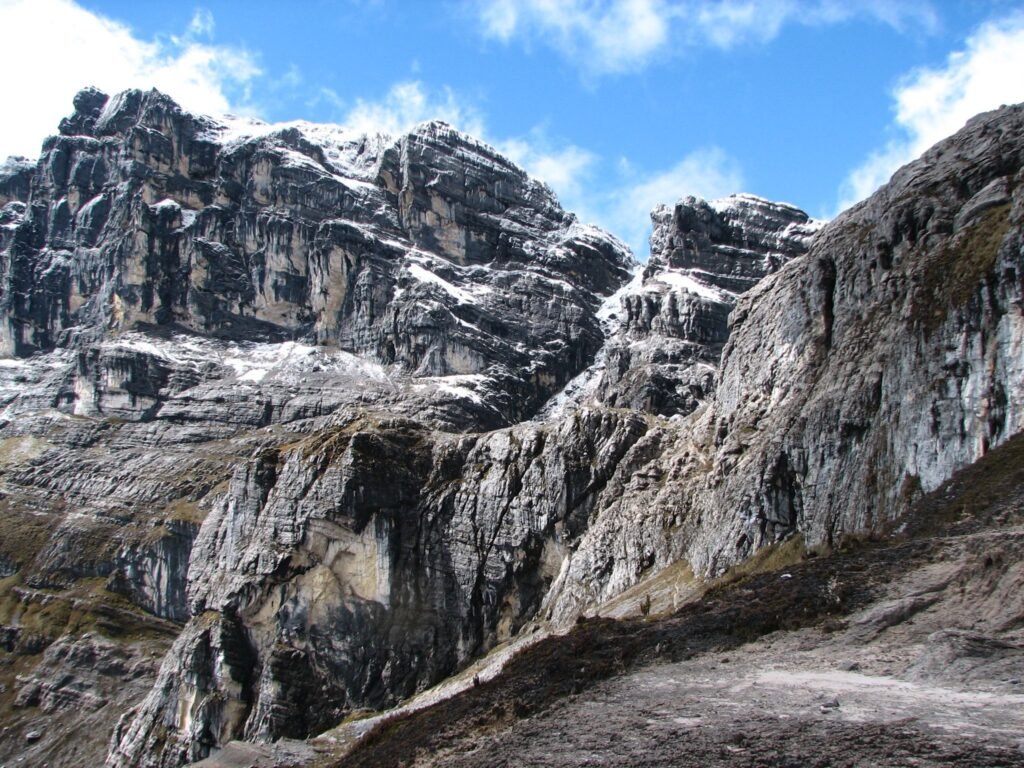
The climb to the summit also involves several pitches of vertical climbing with significant inclines. Climbers must be comfortable using belay systems, ascending with jumars, and understand efficient rope management. A small mistake in safety can be fatal, especially since the descent route is the same as the ascent, with a higher risk of fatigue.
This is what distinguishes Carstensz Pyramid from other high mountains. It is not a mountain to simply “climb up and down,” but rather a testing ground for true mountaineering skills. Climbers who successfully reach the summit not only conquer the height, but also demonstrate technical discipline, mental calm, and respect for the wild and unconquerable nature of Papua.