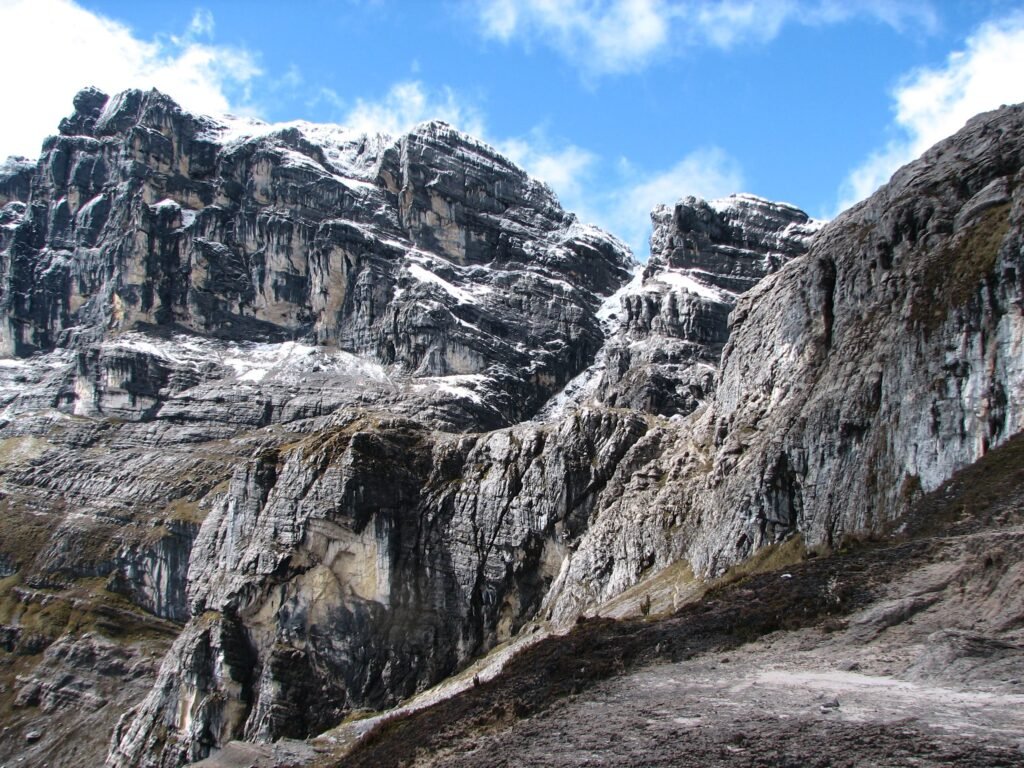
The landscape around Carstensz Peak, the highest peak in Indonesia at 4,884 meters, is home to one of the most unique areas of vegetation in the tropical world. Many climbers refer to this place as a highland savanna because of the open grasslands and shrubs found at high altitudes. However, ecologically, this area is more accurately described as montane and subalpine grasslands, which are part of the unique ecosystem of the Jayawijaya mountains located in Lorentz National Park.
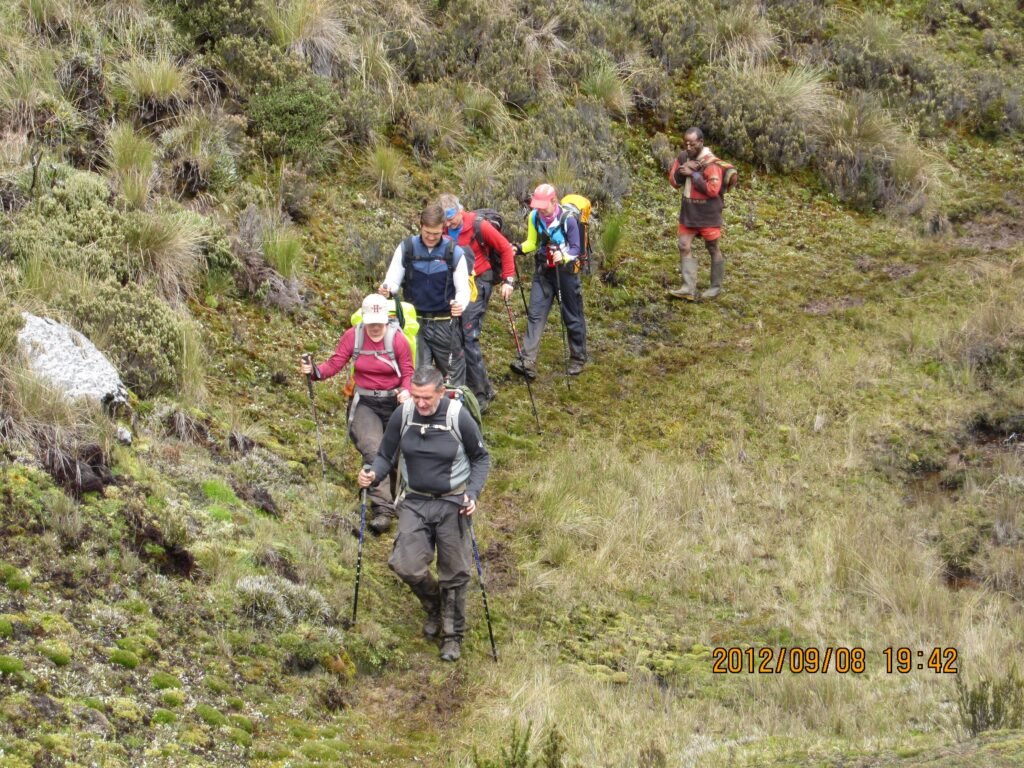
This mountain grassland phenomenon appears as a transition from the rainforests found in the lowlands of Papua to higher vegetation zones, closer to the area of permanent ice. At medium to high altitudes, temperatures begin to drop, humidity increases, and forest cover begins to change. Large trees begin to disappear, replaced by low vegetation such as perennial grasses, mosses, shrubs, and ancient ferns that have adapted to cold weather and thin soil conditions. This open landscape creates a view rarely found in other tropical regions similar to the mini tundra that appears along the equator.
The mountain grassland environment in Carstensz is of high research value because it shows how tropical vegetation can adapt to very high altitudes. This area also contributes significantly to the Jayawijaya Slope ecosystem, home to various species of birds, insects that are only found in the area, and distinctive mountain plants. In addition, this region acts as a natural buffer between the wetter montane forests and the karst areas and rock cliffs leading to the summit of Carstensz.
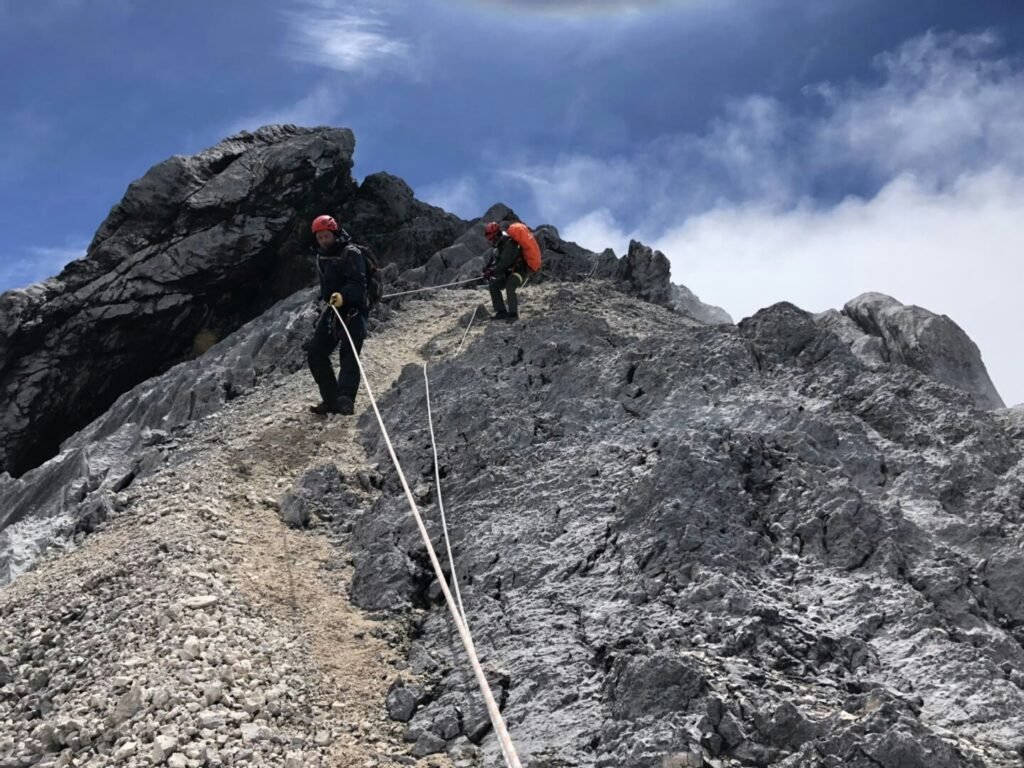
For climbers, the high-altitude savanna area is one of the most special parts of the journey. The trekking route crosses wetlands, damp grasslands, sharp karst formations, and fog that often appears quickly. The tranquil atmosphere and open natural landscape create an exotic ambiance rarely found in other mountain ranges. It is here that hikers begin to experience the true character of Carstensz: wild, pristine, and full of challenges.
Research and scientific records related to Lorentz National Park show that sub-alpine and montane grasslands are important vegetation zones on the western side of the Jayawijaya Mountains. These zones were formed due to a combination of altitude, high rainfall, cold temperatures, and the presence of thin, rocky soil factors that shape the unique combination of grass and shrub vegetation typical of the Papua mountains. This environment is different from the savannas of Africa or Australia; it is a mountain ecosystem found only at high altitudes and formed thanks to adaptation to cold temperatures in tropical regions.
The existence of highland savannas on Carstensz Pyramid not only adds to the visual beauty of this area, but also reflects the unique ecological dynamics of Papua. Within a single area, there is a unique combination of tropical forest, mountain grasslands, alpine zones, and towering karst walls reaching toward the clouds. All these elements demonstrate how complex and valuable the landscape of the Jayawijaya Mountains is for science, conservation efforts, and the world of adventure.