

Hitting the Wall: When the Body Shuts Down in the High Mountains of Carstensz
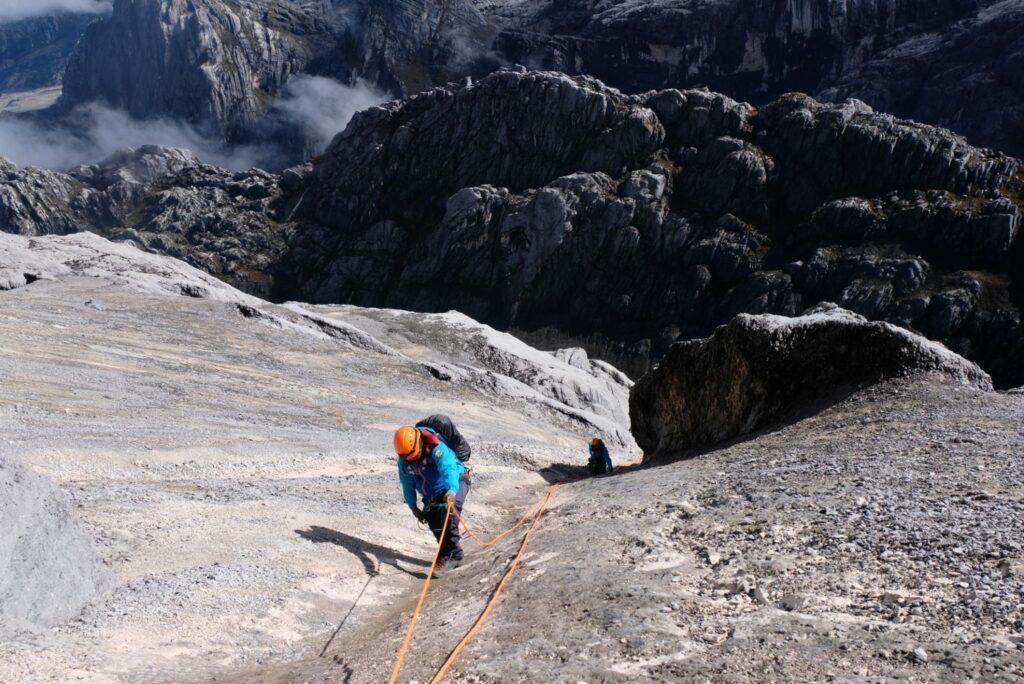
In endurance sports and long-distance adventures, the phrase “hit the wall” is often used to describe the moment when the body suddenly feels empty. Energy disappears, movements slow dramatically, and continuing forward becomes a mental and physical battle. In the mountains, this phenomenon carries far greater consequences, especially on a peak like Carstensz Pyramid, where altitude, technical terrain, and isolation amplify every physical limit.
Hitting the wall in the mountains is not simply about tired muscles. It is the result of multiple stresses converging at once. Energy reserves are depleted after long hours of movement, oxygen availability is reduced by altitude, and the body struggles to maintain normal physiological functions. On Carstensz, this often occurs above high camp or during the summit push, when climbers are operating in thin air while navigating exposed limestone ridges and fixed ropes.
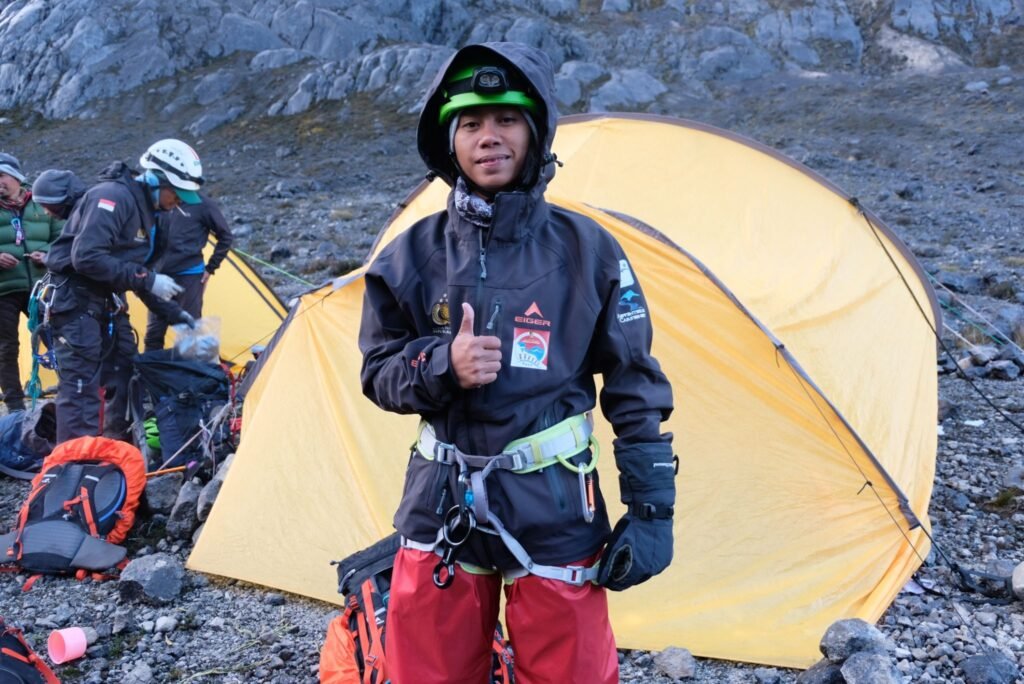
The rapid gain in elevation typical of Carstensz expeditions plays a major role. Climbers may feel strong during the initial stages, but limited acclimatization means the body has less time to adapt to lower oxygen levels. As the ascent continues, the heart and lungs work harder to compensate, burning energy at a faster rate. When fuel intake and oxygen supply can no longer meet demand, the wall appears suddenly and without warning.
The symptoms are unmistakable yet often underestimated. Legs feel unusually heavy, coordination declines, and breathing becomes shallow and strained. Even simple tasks, such as clipping into a rope or maintaining balance on narrow ledges, require intense effort. Mentally, climbers may experience frustration, loss of focus, or a powerful urge to stop moving. On Carstensz, where technical sections demand precision, this mental fatigue can be just as dangerous as physical collapse.
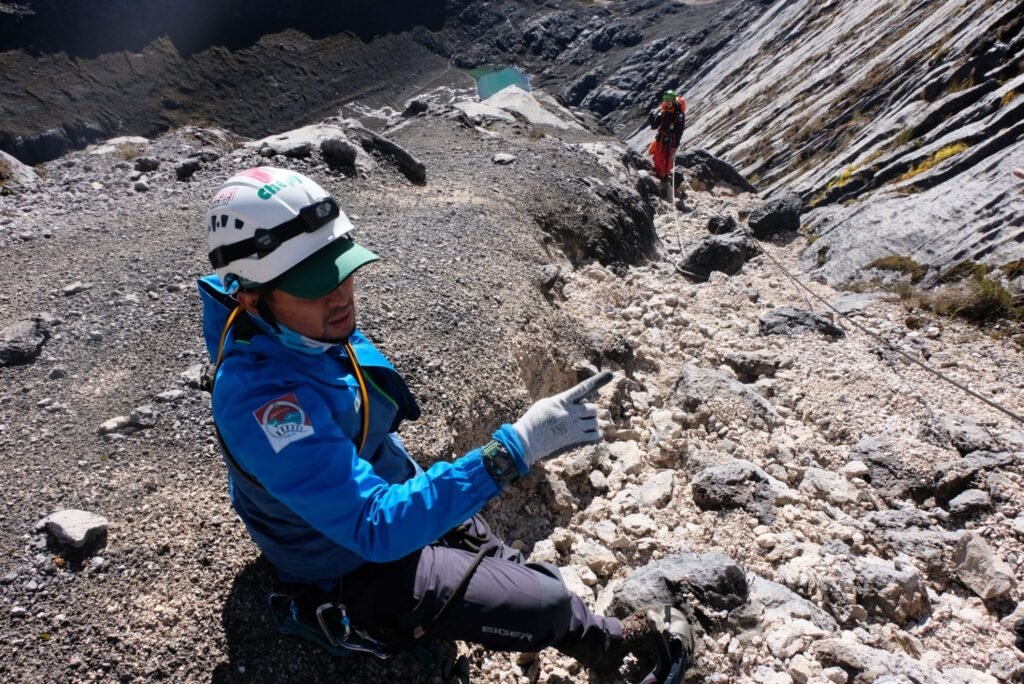
Environmental factors make hitting the wall more severe on this mountain. Cold winds near the summit increase energy loss, while wet conditions common in Papua add to physical strain. Sleep at altitude is often poor, reducing the body’s ability to recover before summit day. As a result, fatigue accumulates quietly over several days until the body reaches a breaking point.
What makes hitting the wall on Carstensz particularly critical is the lack of easy escape. The mountain’s remote location and technical descent routes mean that pushing beyond one’s limits can have serious consequences. Unlike trail-based peaks, stopping is not always an option, and descending while exhausted requires strength, focus, and coordination.
Understanding this phenomenon is essential for anyone attempting Carstensz Pyramid. Proper pacing, disciplined nutrition, adequate hydration, and realistic summit strategies are not just performance choices, but safety measures. Knowing when to slow down or turn around is often the most difficult decision a climber must make.
On Carstensz, hitting the wall is a reminder that the mountain does not respond to ambition alone. It demands respect for the body’s limits. Those who recognize the early signs of depletion and respond wisely are far more likely to return safely than those who try to fight through exhaustion. In one of the world’s most remote and demanding summits, listening to the body is not a weakness. It is a vital skill for survival.