

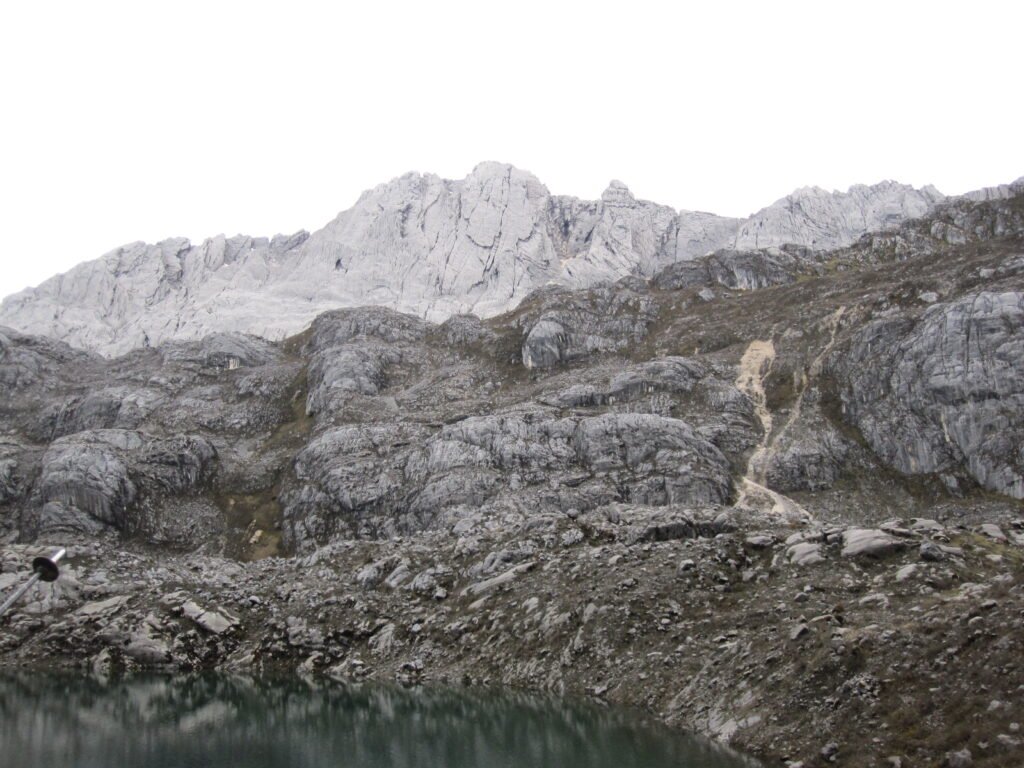
Deep within the unexplored mountain ranges of Papua lies a lake that is rarely mentioned in general travel guides. Lake Idenberg is located in the Jayawijaya Mountains, alongside the extreme panorama that has become world-renowned through Carstensz Pyramid. However, unlike the hard and challenging rock peaks, Lake Idenberg emerges as a peaceful place cool, calm, and seemingly separated from the hustle and bustle of civilization.
This lake is not an easily accessible place. To get there, one must traverse steep mountain terrain, unpredictable highland weather conditions, and natural trails that are not yet fully equipped with infrastructure. This is what allows Lake Idenberg to retain its nearly untouched natural beauty.
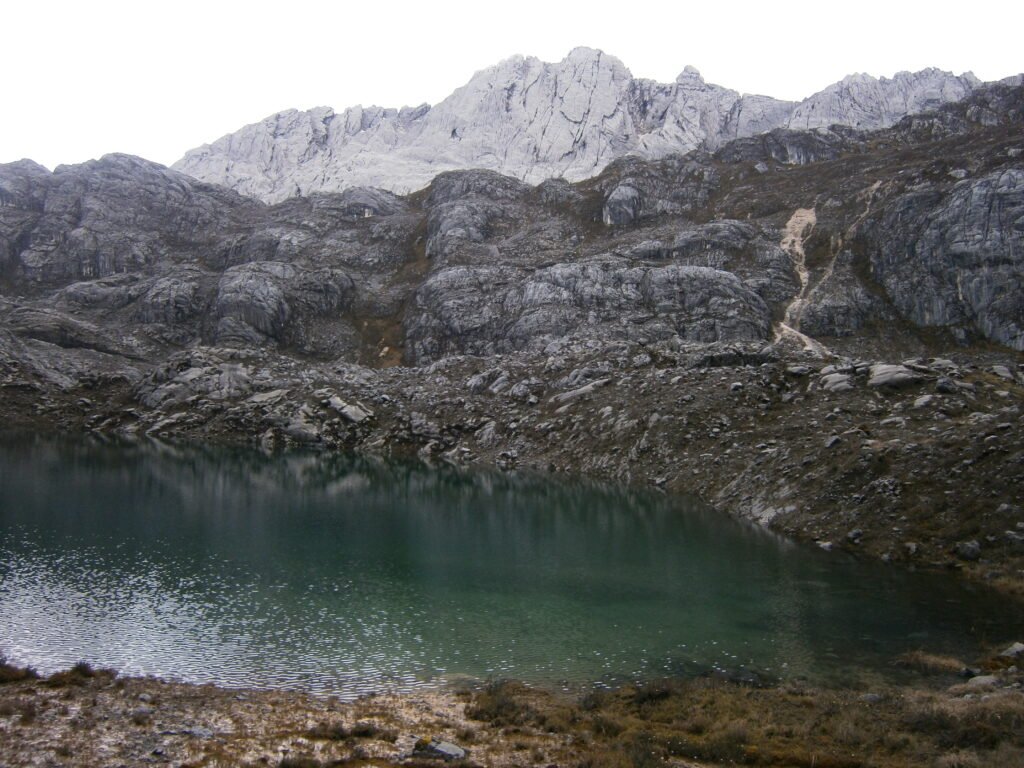
Idenberg Lake is located at an altitude of thousands of meters above sea level, making it part of a very rare tropical alpine lake ecosystem. The temperature tends to be cold, and its surface is often covered by a thin fog in the morning. From a distance, the lake looks like a large mirror reflecting the shadows of the surrounding mountains.
Geographically, the existence of Idenberg Lake is closely related to the geological processes of the Jayawijaya Mountains, an area formed by the uplifting of ancient sea floors due to tectonic plate movements. The lake’s water source comes from high rainfall, surface runoff, and possibly the remnants of an ancient hydrological system trapped in the mountain basin. Unlike some of Indonesia’s famous lakes, Idenberg Lake has not become a popular tourist destination. Difficult access, lack of facilities, and conservation issues have kept this place unknown to most tourists.
However, among researchers, climbers, and experienced adventurers, Idenberg Lake is recognized as one of the natural locations with high scientific and ecological value. Its existence provides insight into how the water system works in tropical highlands under extreme conditions cold, humid, and isolated.
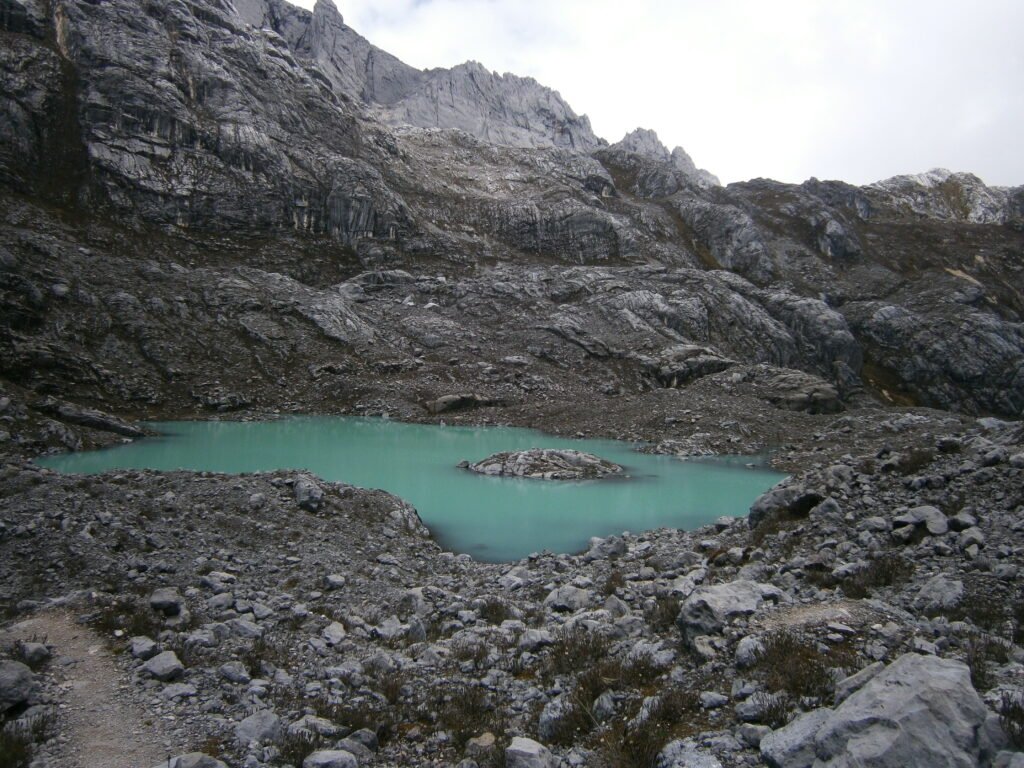
The Jayawijaya Mountains are currently facing a number of problems, ranging from climate change to the impact of human activities. Lakes in high altitude areas such as Idenberg play a very significant role as indicators of ecosystem health. Variations in temperature, water quality, or lake flow can be early indications of changes in larger ecosystems. Therefore, many argue that the best way to manage Idenberg Lake is not through large-scale promotion, but through documentation, research, and management focused on conservation. This lake should be considered a valuable natural site that must be protected, not just a tourist destination. In an era where almost every natural site strives to become a famous destination, Idenberg Lake offers something rare: tranquility. There are no ports, no tourist boats, and no crowds. Only cool water, mountain air, and the most pristine views of Papua.This lake reminds us that not all natural beauty needs to be accessible, photographed, or widely marketed. Some of it should be left untouched so its value remains intact. Idenberg Lake is not a place for just anyone to visit. It serves as a reminder that Papua still holds natural places that choose to remain serene, while the outside world keeps moving forward.