

Central Papua – The Jayawijaya Mountains have long been associated with Carstensz Peak, the highest peak in the country and one of the Seven Summits. However, various reports from researchers, climbers, and local communities show that Jayawijaya has more stories, natural beauty, and cultural value to offer than just Carstensz.
From mist-shrouded valleys to the cultures of the tribes living in the mountains, Jayawijaya is a region that holds ecological and social riches that are difficult to find elsewhere in Indonesia.
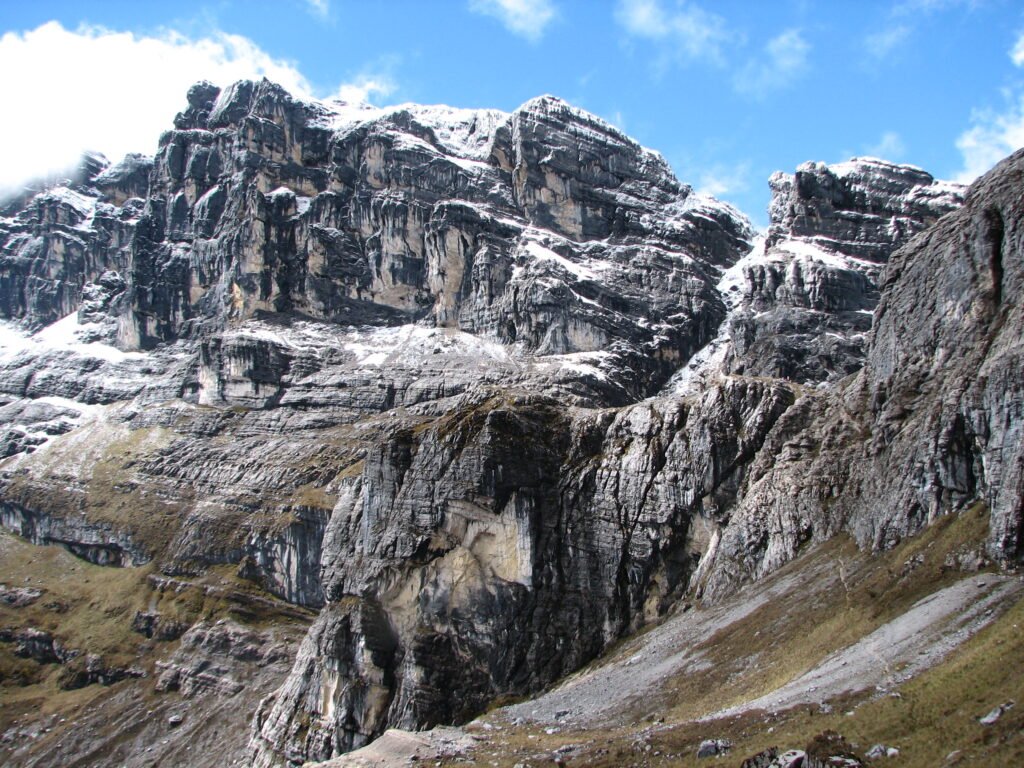
Geographically, Jayawijaya is a mountain range formed from limestone and metamorphic rocks, making it one of the highest areas in Australasia. In addition to Carstensz Pyramid, these mountains also have other valuable peaks such as Trikora Peak, Mandala Peak, and various cliffs and plateaus that offer different views.
Many maps indicate that Jayawijaya is one of the areas with the most significant elevation fluctuations in Indonesia. Within a distance of only a few dozen kilometers, the environment changes from dense tropical rainforest to wet highlands and alpine grasslands.
Jayawijaya is also known as a habitat for various endemic species found in the highlands of Papua. In this area, we can find birds of paradise, tree wallabies, and a number of alpine plant species. With extreme weather conditions and difficult topography, this area is relatively untouched by human disturbance.
Based on field notes from several biologists, Jayawijaya serves as a natural laboratory for studying climate, endemic species, and environmental change. This region is also very important as an indicator in monitoring tropical ice melt worldwide.
In addition to its natural beauty, Jayawijaya is also a center of cultural life for indigenous peoples such as the Dani, Amungme, and other tribes that inhabit the highlands. For them, the mountains are not just a landscape, but also a space for life and spirituality.
The Amungme tribe, for example, considers the high peaks to be sacred places that must be protected. Jayawijaya is part of the traditional cosmological structure that forms the basis of their understanding of nature, their ancestors, and their daily activities. “The mountains are our identity. That is where our lives and prayers belong,” said one of the traditional leaders encountered in the Mimika mountain area.
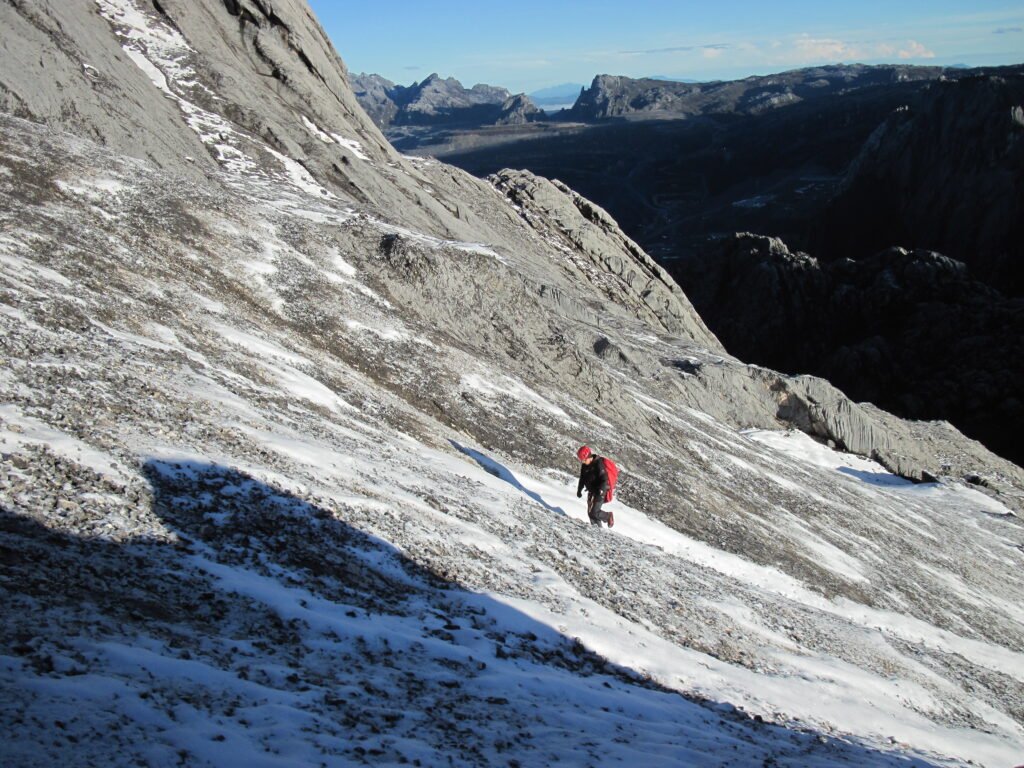
Although Carstensz Pyramid remains the main icon due to its status on the world climbing list, a number of other trails are beginning to attract the attention of domestic and international climbers. The peaks of Trikora and Mandala are now being visited again after years of neglect.
Routes to valleys such as Baliem, Ilaga, or Tsingga offer a more humanistic expedition experience: interaction with local communities, journeys through tropical rainforests, and the opportunity to witness Papua’s mountain culture up close.
Tour operators note that interest in non-Carstensz expeditions is increasing as many climbers seek to experience the quieter, more natural side of Jayawijaya.
Reports from the field and recent studies reveal something significant: the Jayawijaya Mountains cannot be simplified as just Carstensz Pyramid. This region is a complex ecosystem, home to cultures that have existed for thousands of years, and a center of biodiversity that is extremely important for both Indonesia and the world.
Although Carstensz may be the internationally recognized image, Jayawijaya holds a broader story, one about nature, people, and the deep connection between the two.