

Central Papua, Timika — Mornings at the Carstensz Peak basecamp always present a distinctive and unforgettable atmosphere. Before the sun fully reveals itself behind the rugged mountain range of Carstensz Peak, also known as the Jayawijaya Mountains, thick fog slowly descends and blankets the basecamp area. The air is piercingly cold, while gentle gusts of wind carry the scent of the still-pristine mountain wilderness.
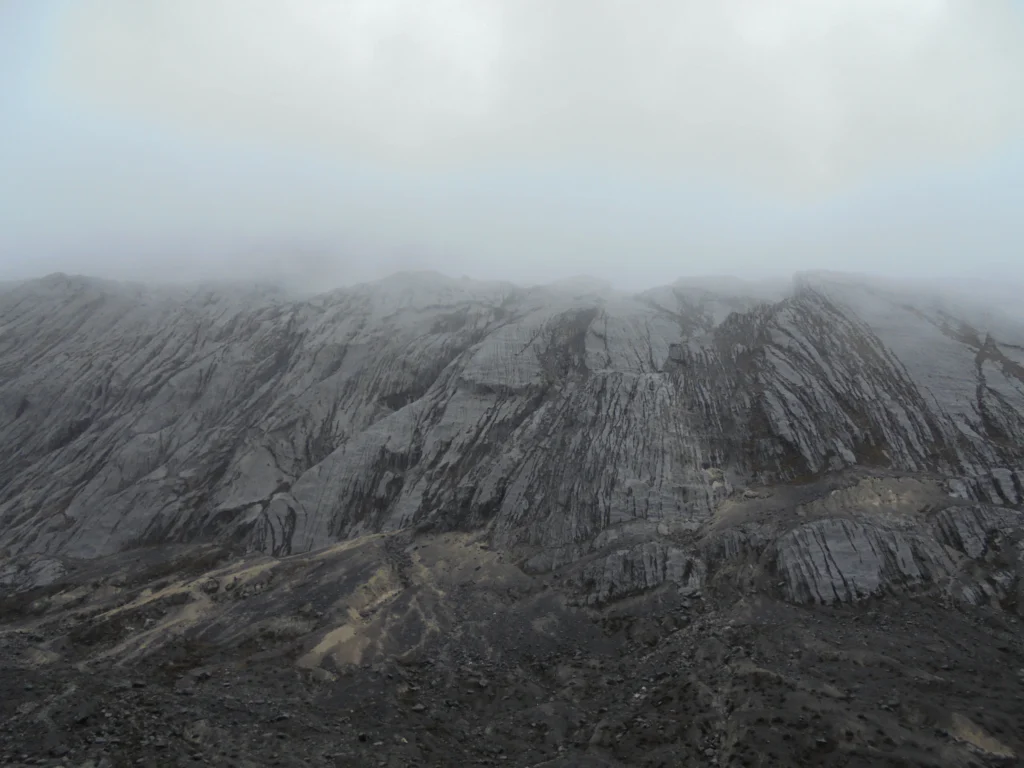
The morning fog at the Carstensz basecamp is not merely a natural phenomenon; it is part of the daily rhythm of life for climbers. Tents neatly arranged appear faint behind the white veil, creating a scene that is both quiet and dramatic. In such conditions, activities at basecamp proceed at a slower pace. Climbers begin their day by preparing equipment, checking gear, and warming their bodies while waiting for the weather to gradually clear.
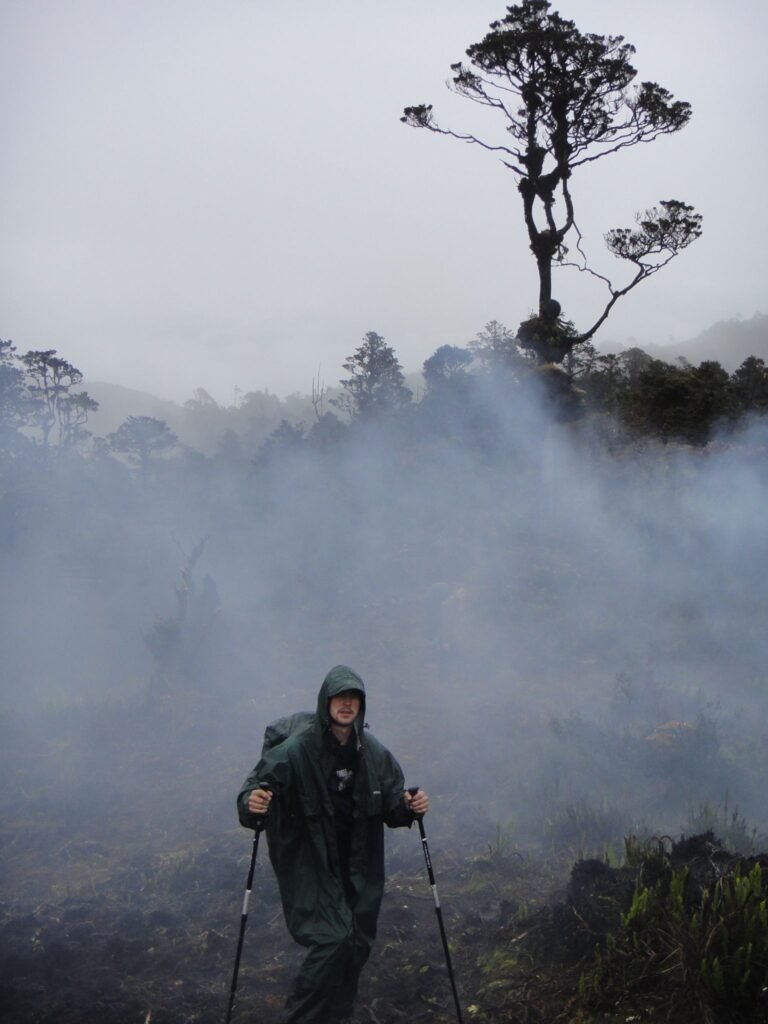
This morning fog also serves as an important indicator for expedition planning. Limited visibility demands heightened alertness and strict discipline, especially for teams preparing for a summit attack. Mountain guides and expedition coordinators carefully monitor cloud movement and wind direction before deciding the most suitable time to continue the ascent toward the summit.
Despite the challenges it brings, the morning fog enhances the allure of Carstensz Peak. As the sun slowly rises, the fog begins to thin, revealing panoramic views of limestone cliffs, the remaining glaciers, and distant valleys. These moments are often used by climbers to capture the extraordinary beauty found only at the roof of Papua, Indonesia.
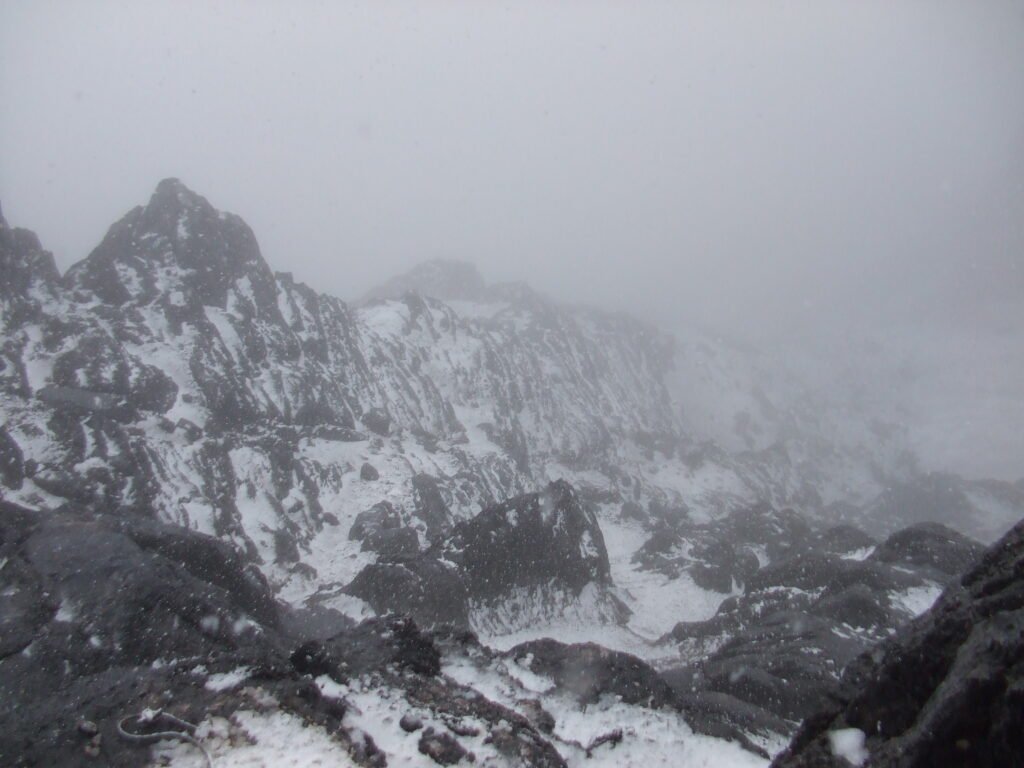
For many climbers, foggy mornings at the Carstensz basecamp are a time for reflection and renewal of spirit. Amid the limitations and cold of the high mountains, the fog offers tranquility while reminding them of nature’s grandeur. It is this atmosphere that makes spending the night at the Carstensz basecamp not merely part of a physical journey, but also a deeply meaningful inner journey. (AC)