

Mountaineering is a form of outdoor activity that involves climbing mountains and exploring high-altitude environments. It is not only a physical challenge, but also a discipline that requires technical skills, mental resilience, and a deep respect for nature. Unlike regular hiking, mountaineering often takes place in extreme conditions, including steep terrain, unpredictable weather, and limited access to emergency assistance.
In general, mountaineering can be divided into three main components: physical preparedness, technical skills, and mental and environmental awareness. These three elements are closely interconnected and play a crucial role in ensuring both safety and success in the mountains.
1. Physical Preparedness
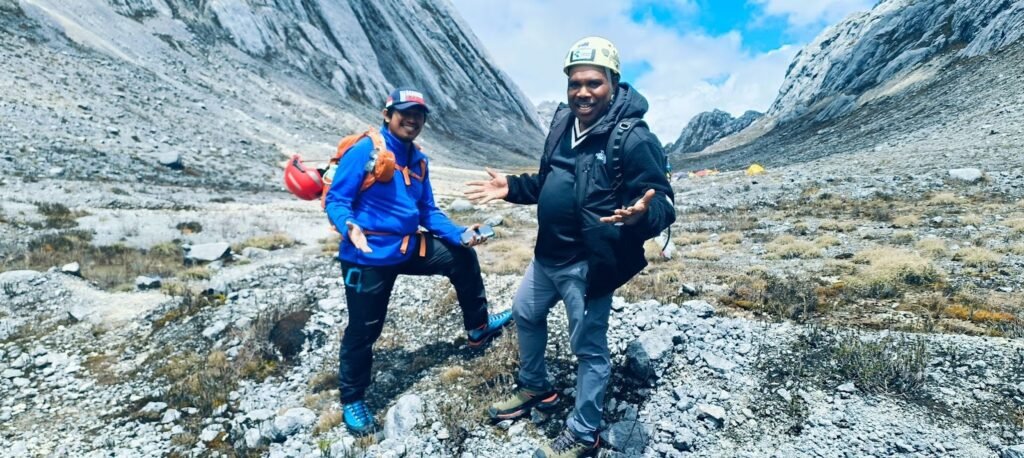
Physical fitness is the foundation of mountaineering. Climbers must have strong cardiovascular endurance, muscular strength, and stamina to carry heavy loads, move efficiently on steep terrain, and withstand long hours of activity in thin air. Training usually includes hiking with weighted backpacks, strength training, endurance exercises, and altitude adaptation.
Without proper physical preparation, even climbers with good technical skills may struggle to perform safely in high-altitude environments. Fatigue can increase the risk of injury, poor decision-making, and altitude-related illnesses.
2. Technical Skills
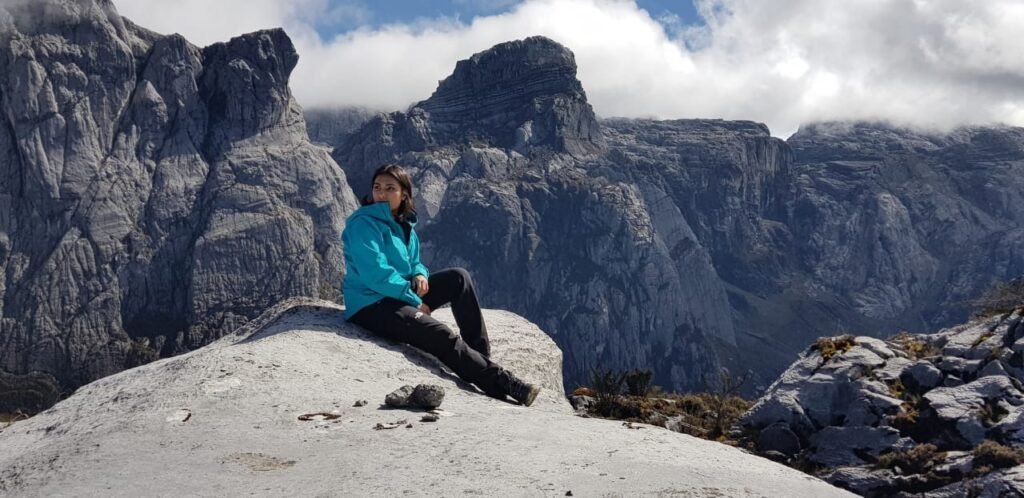
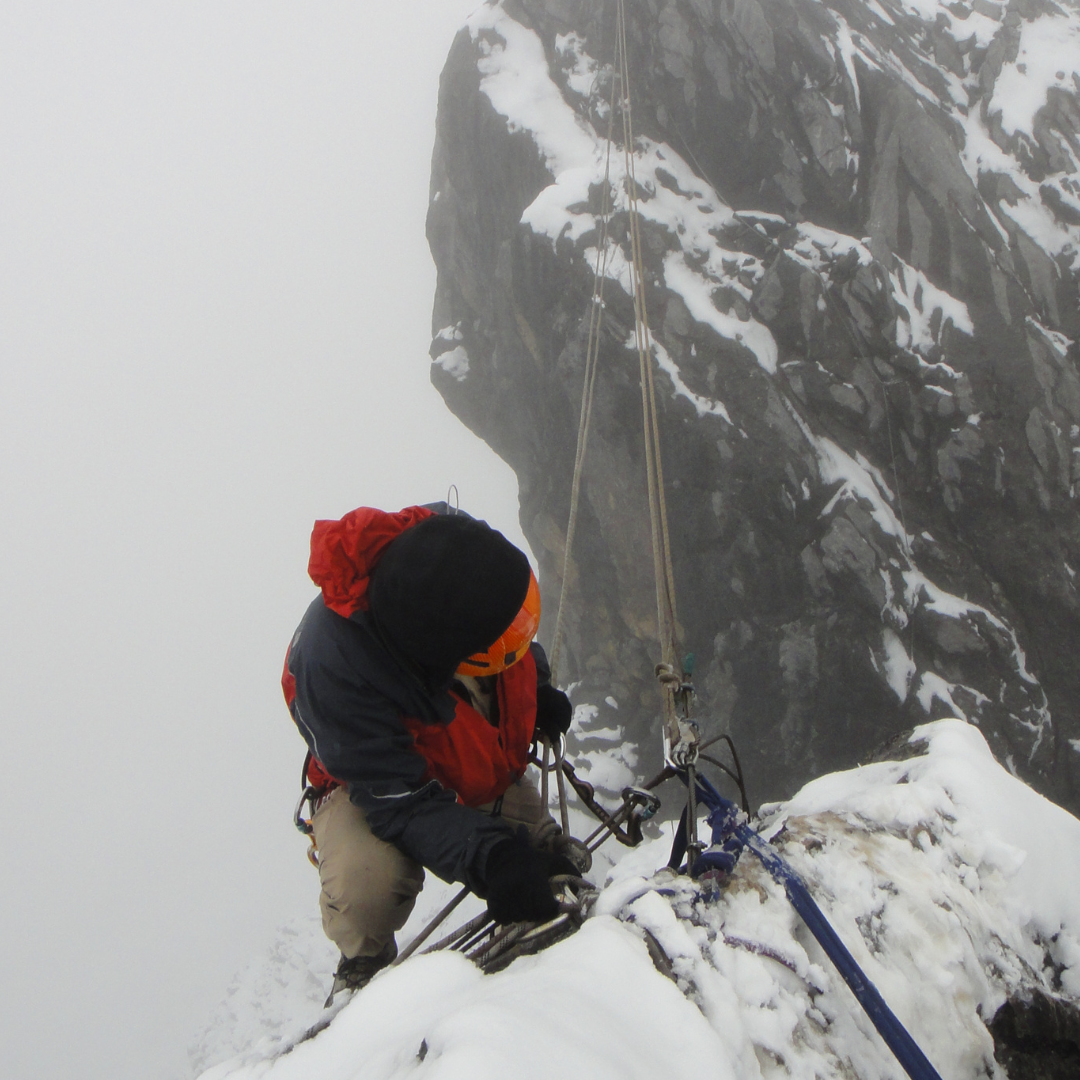
Technical skills are essential for navigating difficult and dangerous terrain. These include rope work, knot tying, belaying, rappelling, rock and ice climbing techniques, and the proper use of mountaineering equipment such as crampons, ice axes, and harnesses. Technical competence allows climbers to protect themselves and their teammates while ascending or descending exposed sections.
In many mountains, especially technical peaks, the ability to build anchors, manage ropes, and perform basic rescue procedures can be the difference between a controlled situation and a life-threatening emergency.
3. Mental Strength and Environmental Awareness
Mental resilience is often overlooked, yet it is a critical part of mountaineering. Climbers must remain calm under pressure, make sound decisions in risky situations, and know when to continue or turn back. Strong mental discipline helps manage fear, stress, and fatigue in challenging conditions.
Environmental awareness is equally important. Mountaineers must understand weather patterns, terrain hazards, and the impact of their activities on fragile ecosystems. Practicing Leave No Trace principles and respecting local cultures and regulations are essential aspects of responsible mountaineering.
Conclusion
Mountaineering is a complex activity that goes far beyond reaching a summit. It is a balance between physical strength, technical expertise, and mental as well as environmental responsibility. Mastering these three components not only improves performance in the mountains, but also promotes safety, sustainability, and respect for nature.