

Physical Fatigue and Oxygen Deprivation: The Silent Enemies at Carstensz Pyramid
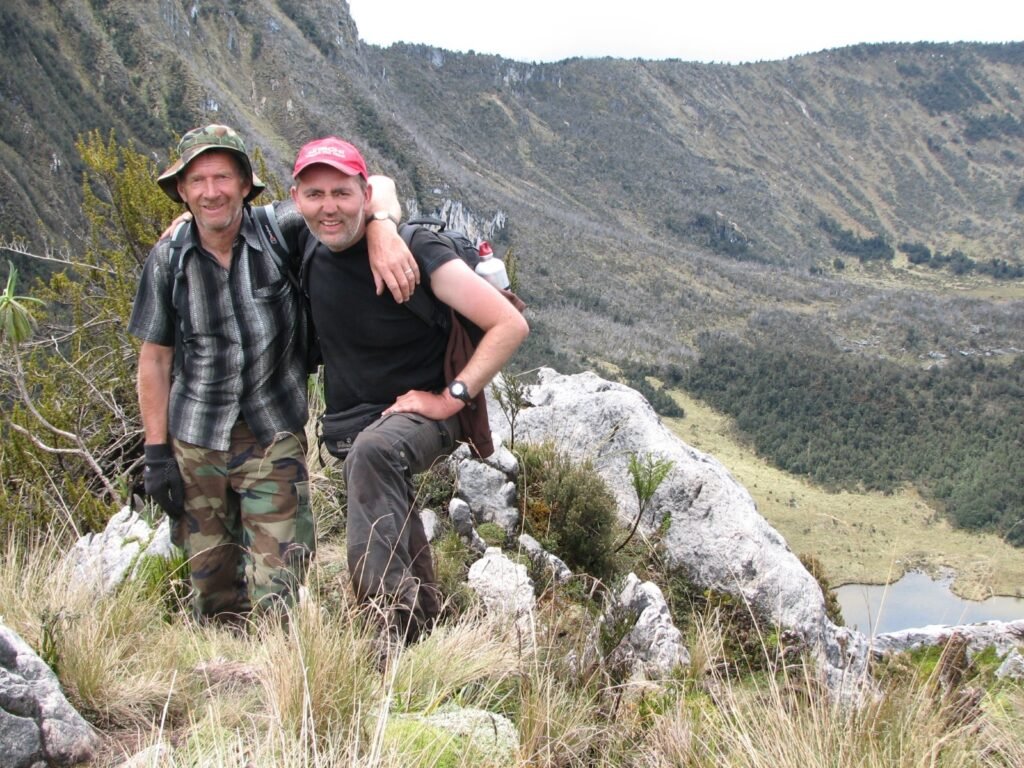
Carstensz Pyramid stands apart from many of the world’s great mountains. Rising sharply from the dense rainforests of Papua to a summit of 4,884 meters, it confronts climbers with an abrupt transition from tropical humidity to thin, unforgiving air. This unique setting makes physical fatigue and oxygen deprivation especially deceptive, turning them into silent enemies that shape every step of the ascent.
Unlike gradual alpine approaches, the journey to Carstensz often involves helicopter access or rapid trekking that brings climbers to high altitude in a relatively short time. While this shortens the approach, it also limits natural acclimatization. The body is suddenly forced to perform in an environment where oxygen availability is significantly reduced. As a result, fatigue arrives faster than expected, even among fit and experienced climbers.
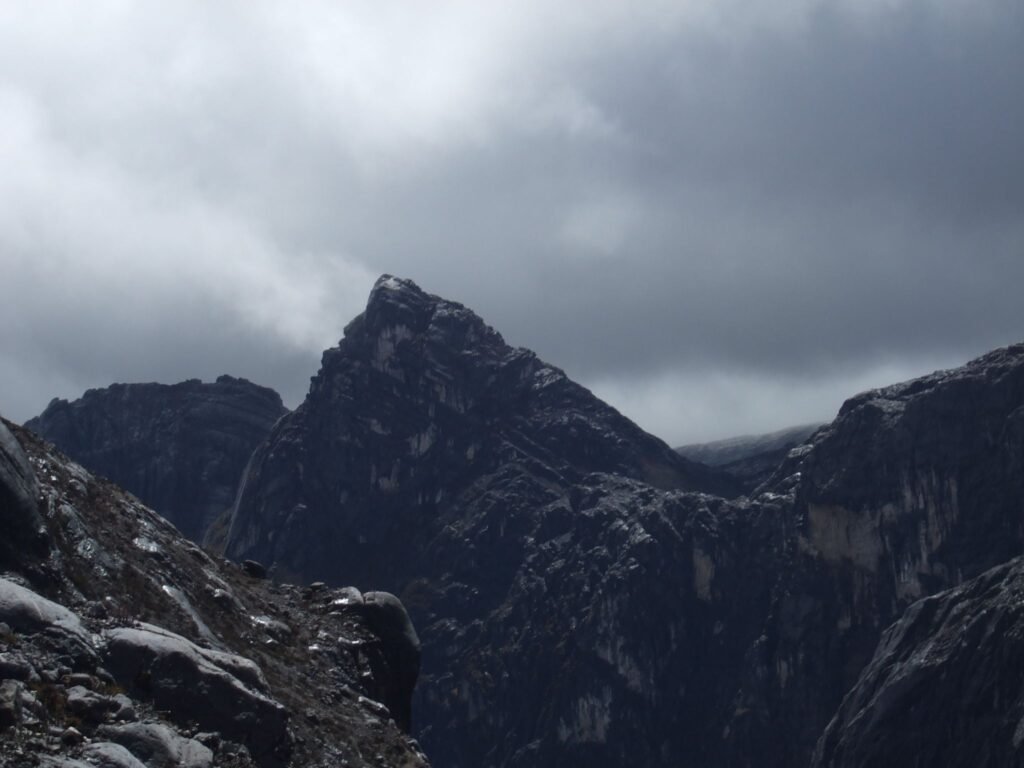
On the limestone ridges and exposed rock faces of Carstensz, oxygen deprivation quickly reveals its impact. Breathing becomes labored during technical sections, and muscles fatigue rapidly while negotiating fixed ropes, steep slabs, and near-vertical pitches. Movements that require precision and balance demand more effort as oxygen-starved muscles lose efficiency. This is where physical exhaustion becomes more than discomfort; it becomes a safety concern.
Mental performance is equally tested on Carstensz. The mountain’s technical nature requires constant focus, from clipping into safety lines to managing rope systems near the summit ridge. Reduced oxygen levels subtly impair concentration and judgment, increasing the risk of small mistakes with serious consequences. Climbers may feel confident pushing forward, unaware that hypoxia is already dulling their decision-making ability.
Weather and terrain amplify these challenges. Cold temperatures near the summit contrast sharply with the heat and moisture of the lower valleys, placing additional stress on the body. Combined with limited sleep at high camps, fatigue accumulates quickly. Rest periods feel shorter, recovery feels incomplete, and each push upward demands more energy than the last.
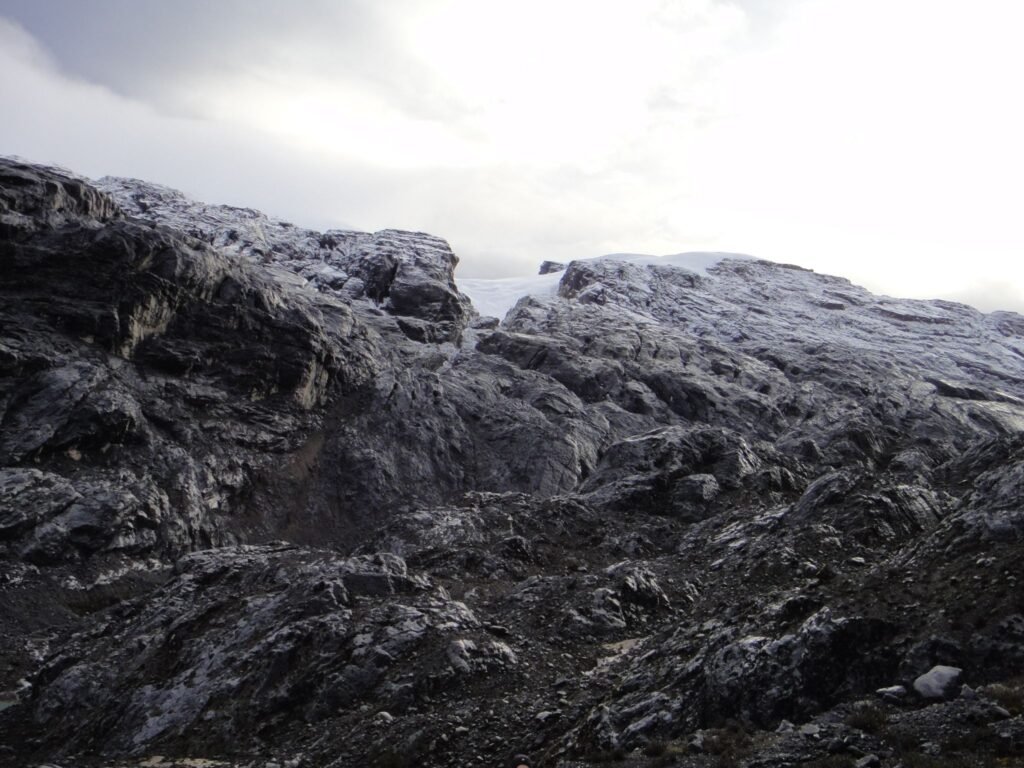
What makes Carstensz particularly unforgiving is how quietly these factors work together. There is rarely a dramatic moment when the body “gives up.” Instead, fatigue deepens gradually, steps slow almost imperceptibly, and breathing becomes constantly strained. Many climbers only recognize how depleted they are when they stop moving, or when descending feels harder than expected.
On Carstensz Pyramid, success is not simply about reaching the summit. It is about managing the invisible struggle against altitude. Respecting acclimatization schedules, maintaining a steady pace, and recognizing early signs of exhaustion are essential. In a mountain where technical difficulty meets rapid altitude gain, understanding physical fatigue and oxygen deprivation is not optional. It is the difference between a controlled climb and a dangerous gamble in one of the most remote high-altitude environments on Earth.