

Central Papua, Timika — Amid steep trails, mountain mist, and wet ground guiding climbers from Ugimba toward the summit of Carstensz, nature slips in an unexpected surprise. Along the quiet path, a brilliant red flower stands upright, as if marking life in the midst of a harsh journey. The flower is the canna lily, also known as Indian shot (Canna indica).
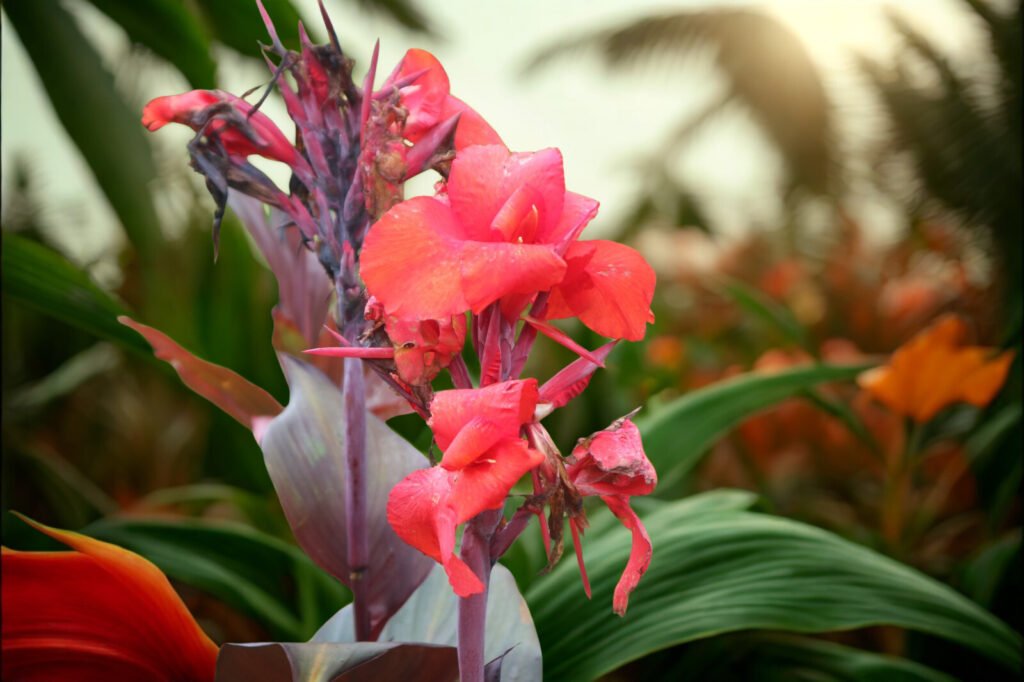
The presence of the canna lily along the Ugimba–Carstensz route creates a striking contrast against Papua’s mountain landscape, dominated by deep greens and the gray tones of rock. Its red petals stand out vividly, reflecting the enduring spirit of the tropics that persists despite altitude and ever-changing weather. For climbers, this flower often becomes a momentary pause—a place for the eyes to rest before the ascent continues.
Naturally, Canna indica is known as a resilient plant. It thrives in moist soil, near small streams, and in open areas that receive sufficient light. These conditions allow it to be found along certain sections of the Carstensz route, particularly the Ugimba segment, where the mountain forest still holds rich floral diversity. Though commonly associated with gardens or cultivated spaces, in Papua this flower finds its place in the wild.
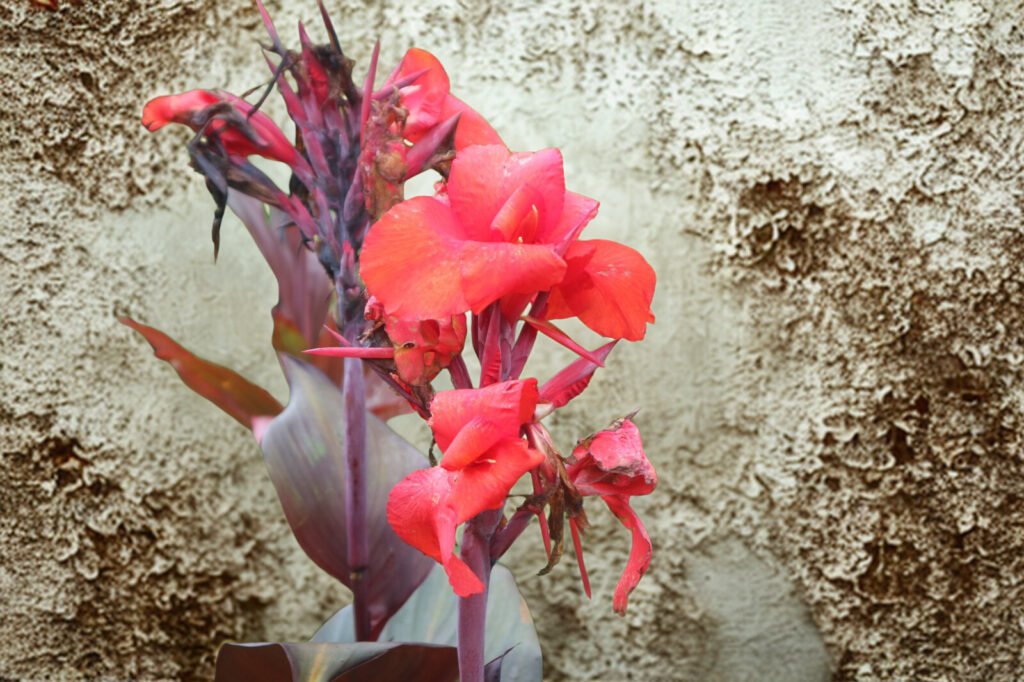
More than a visual accent, the canna lily becomes a symbol of endurance. On a trail that tests both physical strength and mental resolve, the flower reminds climbers that life always finds a way to persist. Its bold color seems to deliver a silent message: beauty does not exist only at the final destination, but also along the journey itself.
For climbers and local guides, encountering a red canna lily on the Ugimba–Carstensz route is a small yet meaningful experience. It enriches the narrative of the journey to one of Indonesia’s highest peaks—showing that Carstensz is not only about eternal ice and jagged rock, but also about living details of nature that grow, endure, and quietly greet those who pass with respect. (AC)