

Papua Tengah, Timika — To many international climbers, Papua’s towering peaks are the ultimate frontier of adventure. The limestone spires of Puncak Jaya, also known globally as Carstensz Pyramid. Rise dramatically above dense rainforest, offering one of the world’s most extreme altitude transitions. But for the Indigenous communities who have lived in these highlands for generations, these mountains are far more than geological wonders. They are sacred.
In Papua, climbing is not merely a sport. It is an encounter with living heritage.
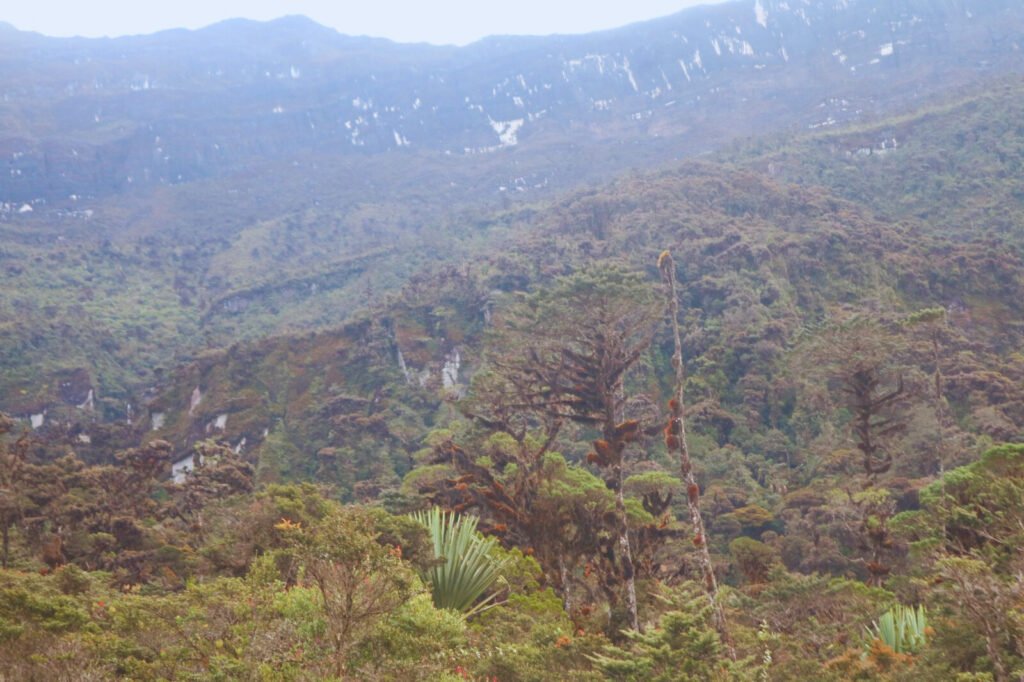
Mountains as Ancestral Presence
Among highland communities such as the Dani people and Moni people, mountains are deeply embedded in cosmology. Oral traditions speak of peaks as ancestral domains. Places where spirits dwell, where origin stories begin, and where balance between humans and nature must be maintained.
The summit is not just a destination. It is a spiritual threshold.
Local elders often describe certain ridgelines, valleys, and rock formations as sites of meaning—locations where rituals were once performed, or where silence is expected as a form of reverence. This worldview shapes how local porters and guides approach climbing expeditions. For them, respect comes before ambition.
The Ethics of Permission
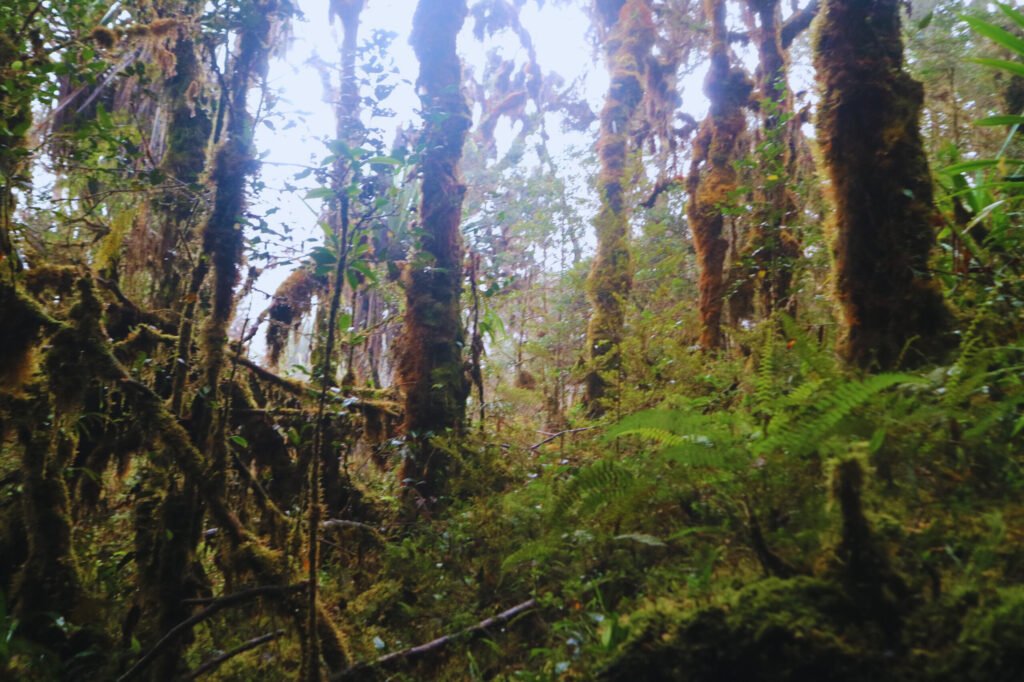
Unlike commercial climbing routes in other parts of the world, expeditions in Papua often begin with dialogue. Visiting climbers typically coordinate not only with government authorities but also with customary landowners. This process reflects a fundamental principle in Papuan culture: land is relational, not transactional.
Before stepping onto certain territories, it is customary to seek acknowledgement from local leaders. While practices vary between regions, the act of asking permission—formally or symbolically—signals humility.
Adventure tourism operators who work closely with Indigenous communities understand this dynamic. They know that a successful expedition is not measured solely by reaching the summit, but by maintaining harmony with the people whose land hosts the climb.
Porters: Guardians of the Route
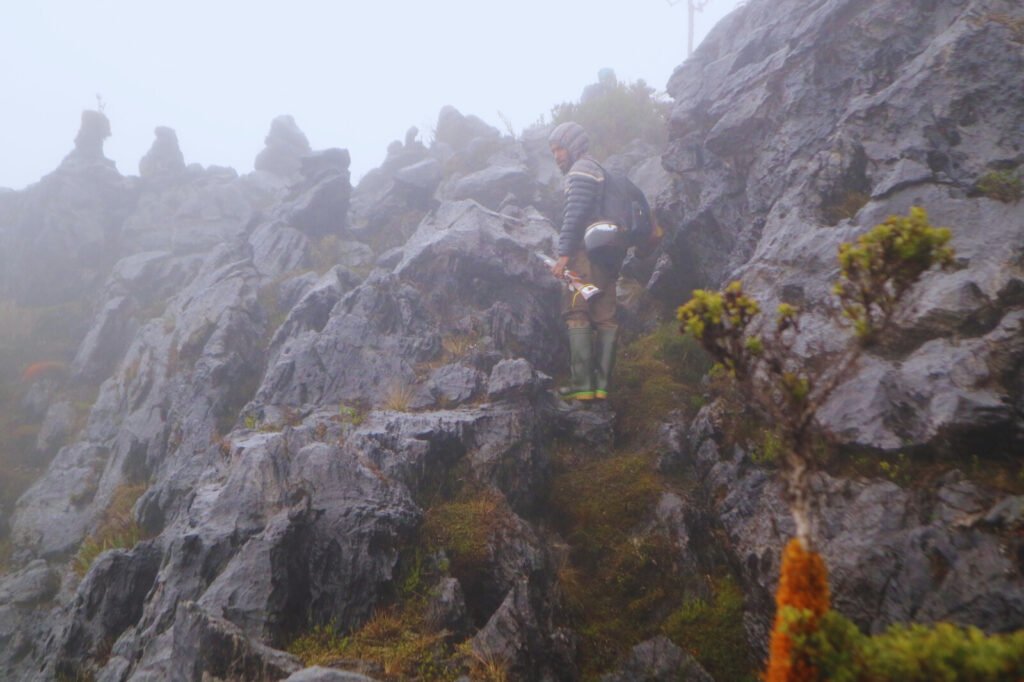
In global mountaineering narratives, summit photos often dominate headlines. Yet in Papua, local porters and climbers are central to the story.
Their knowledge of shifting weather patterns, river crossings, and dense jungle routes makes access to Lorentz National Park possible. More than logistical support, they serve as cultural interpreters, bridging international adventure seekers with local traditions.
For many Indigenous climbers, guiding is not just employment; it is stewardship. Protecting sacred landscapes from litter, reckless behavior, or cultural insensitivity becomes part of their role.
When Adventure Meets Spirituality
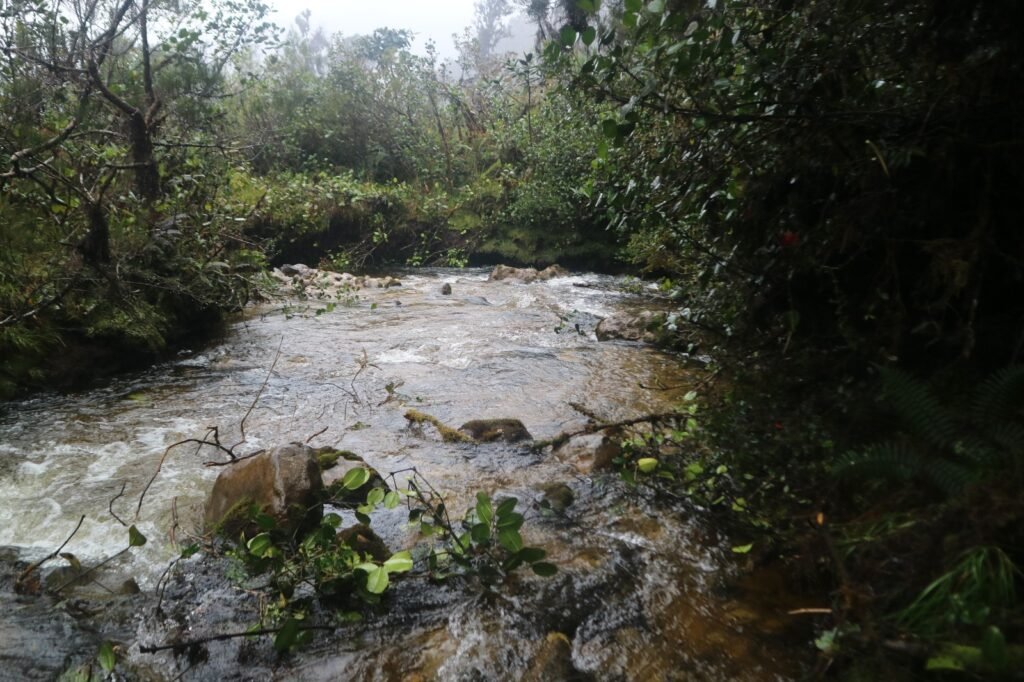
Modern adventure tourism markets Papua as remote, extreme, and untouched. Yet the concept of “untouched” overlooks centuries of Indigenous presence and spiritual connection.
Ethical climbing in Papua involves more than environmental sustainability. It requires cultural awareness:
- Avoiding disrespectful behavior at culturally significant sites
- Managing waste responsibly
- Listening to local guidance about restricted areas
- Recognizing that the mountain is not merely a trophy
For international climbers accustomed to conquering peaks, Papua offers a reframing: the mountain is not conquered. It is encountered.
A Model for Respectful Tourism
As interest in Papua’s peaks grows, so does the need for a tourism model rooted in respect. Community-led guiding initiatives are emerging, emphasizing shared benefits and local empowerment. These efforts align adventure with education and cultural exchange.
The future of climbing in Papua may depend on this balance where economic opportunity does not erode spiritual meaning.
Because here, in the highlands above the rainforest, the wind carries more than mist. It carries stories.And for those who listen, the lesson is clear: in Papua, the greatest ascent is not only toward the summit, but toward understanding. (AC)