

The Most Technical Climb in Asia Pacific: Dissecting the Fixed Rope System at Carstensz
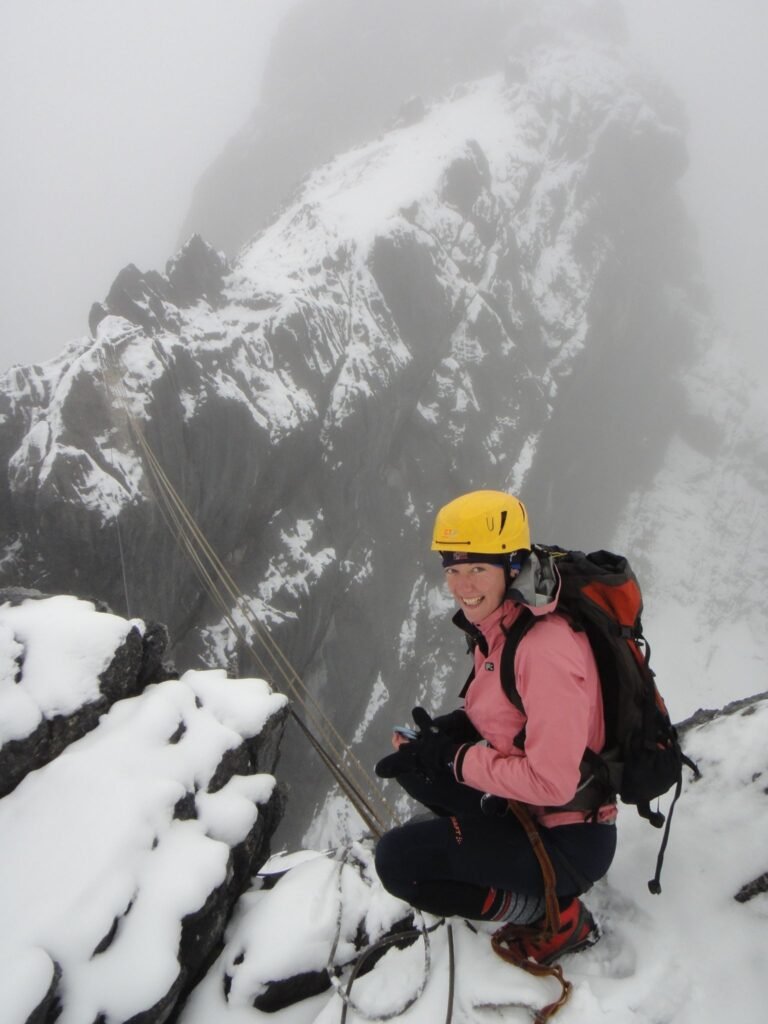
Carstensz Pyramid or Puncak Jaya is often referred to as the most technical climb in the Asia Pacific region. This nickname is not only due to its status as the highest peak in Indonesia and Oceania, but also because of the nature of the terrain, which requires rock climbing skills, rope management, and a high level of safety discipline. Unlike many other high mountains dominated by long trekking trails, Carstensz forces climbers to face steep limestone cliffs, open ravines, and vertical passages that leave almost no room for error. It is in this context that the fixed rope system becomes a crucial element that determines the success and safety of the climb.
In terms of height, Carstensz stands at around 4,800 meters above sea level, a figure that may seem low when compared to the peaks of the Himalayas. However, the difficulty of Carstensz does not lie solely in extreme hypoxia, but in the combination of technical terrain and hostile natural conditions. Almost the entire route to the summit requires climbers not only to walk, but also to climb, rely on ropes, and rappel during the descent. The fixed rope system serves as the primary safety measure, keeping climbers on a relatively safe path amid constant exposure to the ravine.
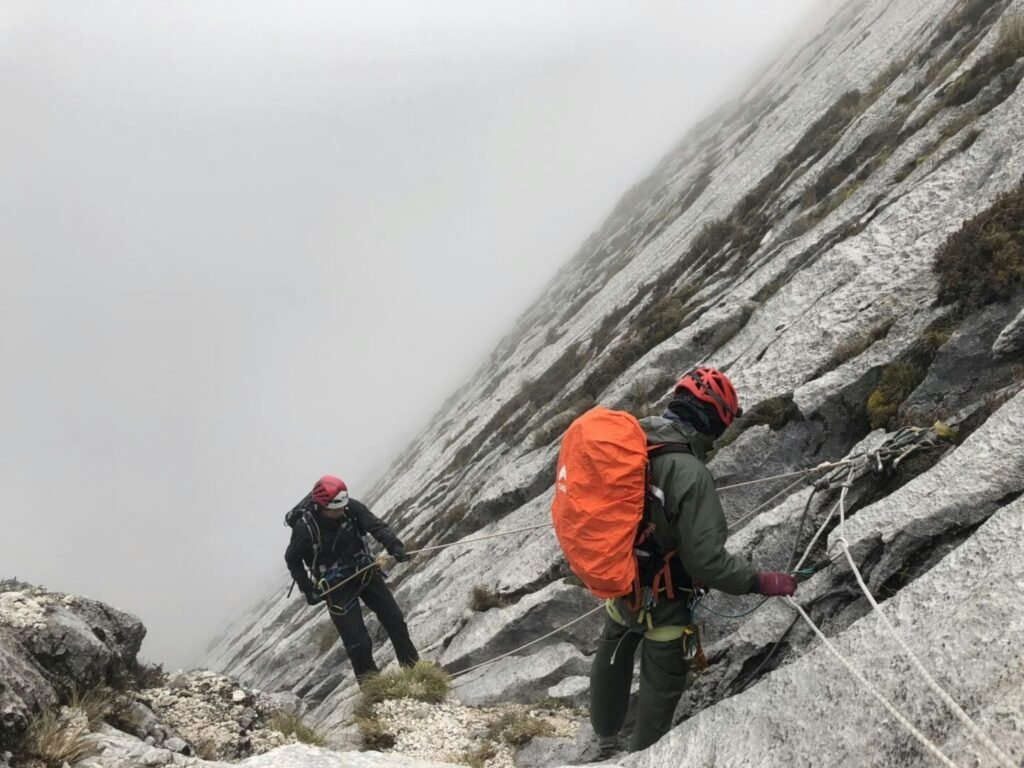
One of the most well-known and nerve-wracking parts of the Carstensz climb is the Tyrolean traverse. This technique involves a horizontal crossing using a rope or wire stretched between two points on the cliff face. At this point, climbers hang entirely from the rope system with the help of carabiners and lanyards, then move sideways while maintaining their balance. On Carstensz, the Tyrolean traverse requires not only physical strength, but also mental calm. A deep chasm yawns directly below climbers, while the winds of the Papuan mountains can blow strongly and suddenly. In wet conditions due to rain or fog, the rope and rocks become slippery, making even a small mistake potentially fatal. Therefore, the quality of the fixed rope installation and clipping discipline are non-negotiable safety factors.
In addition to the cliff terrain, Carstensz climbers also have to deal with the remnants of tropical glaciers that are shrinking due to climate change. In some parts of the route, there are still glacier crevasses that must be crossed with extreme caution. To pass through these areas, expedition operators generally install fixed ropes with a strong anchoring system on relatively stable rocks or ice. Climbers are required to always be connected to the rope, maintain distance between individuals, and move at a controlled pace. The goal is not only to prevent falling into glacier crevasses, but also to reduce the risk of snow or ice avalanches caused by excessive weight on a single point.
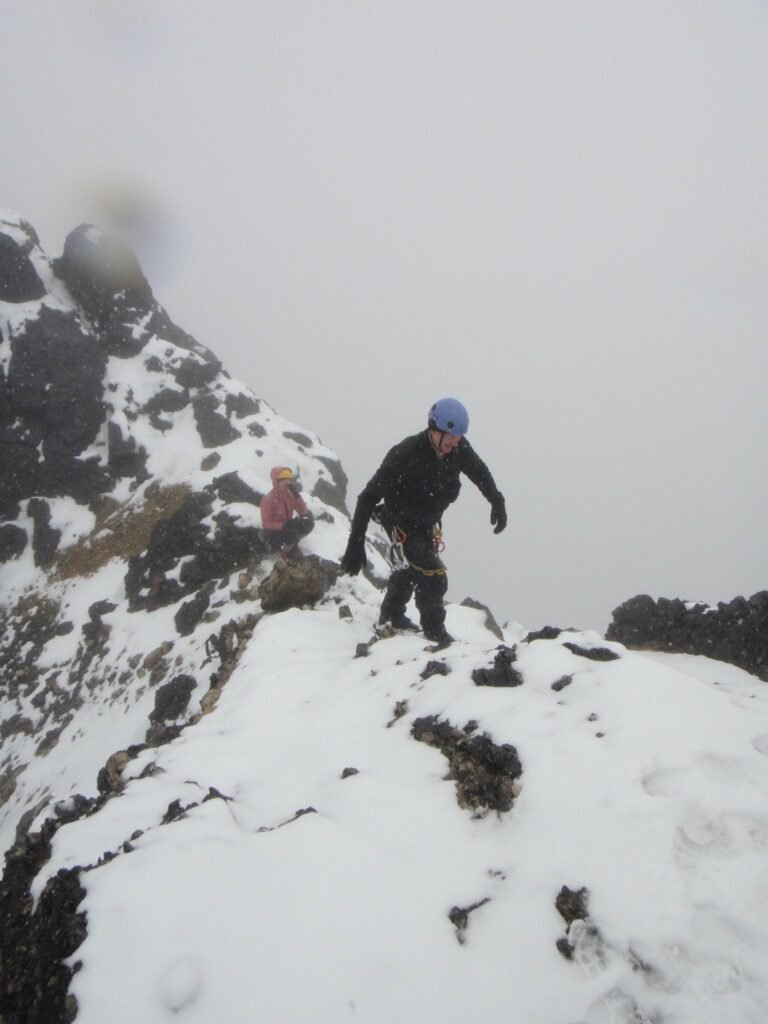
Beyond the technical challenges, Carstensz also poses various objective risks that cannot be fully controlled by humans. The limestone rocks that form the Carstensz massif are known to be fragile and prone to collapse. Rain, temperature changes, or the movement of other climbers on the trail can trigger rocks to fall at any time. Safety helmets are not just additional equipment, but an absolute necessity. Weather is also a determining factor that often forces climbers to delay or even cancel their summit attempt. Thick fog, storms, hail, and strong winds can come without warning, reducing visibility and increasing the risk of getting lost. In these conditions, fixed ropes serve as both trail markers and safety devices that help climbers stay on the correct path.
Ironically, despite being located in the tropics, temperatures in Carstensz can drop dramatically to below freezing, especially during storms. The combination of cold, wet conditions and physical exhaustion creates a real risk of hypothermia. A well-installed rope system allows climbers to move more efficiently and reduces their exposure time to these extreme conditions.
Another aspect that is often overlooked is the difference in safety standards between expedition operators. Not all operators install fixed rope systems of the same quality and quantity. Some operators provide routes with many safety points and routine checks, while others install ropes minimally for the sake of time or cost efficiency. These differences directly impact the level of risk faced by climbers. Therefore, choosing an experienced operator with a good safety track record is a crucial decision before setting foot on Carstensz.
Ultimately, Carstensz Pyramid is not just about reaching the highest peak in Indonesia. This mountain is a comprehensive test of climbers’ technical abilities, discipline, and understanding of safety. The fixed rope system is not just an aid, but the main foundation that allows humans to move on wild and unforgiving vertical terrain. At Carstensz, the success of a climb is not measured solely by standing on the summit, but by the climber’s ability to respect technique, safety, and the natural limits that exist.