

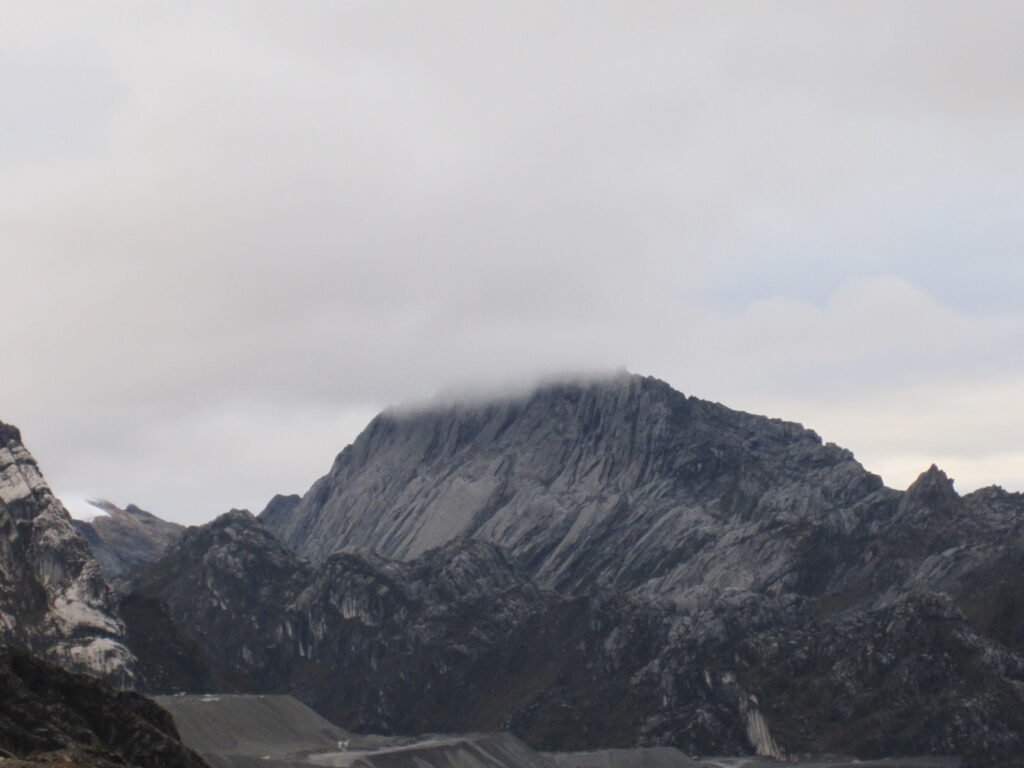
Carstensz Pyramid in Papua, Indonesia’s highest peak and one of the Seven Summits, is widely known for its dramatic landscape and challenging alpine terrain. But beyond its natural beauty, many climbers are surprised by just how expensive the expedition can be. The high cost is not the result of luxury, but of the mountain’s extreme remoteness and the complexity of reaching one of the least accessible peaks in the world.
One of the main reasons for the high price is Papua’s limited transportation infrastructure. Travelers must first fly to Timika, which already requires a significant budget. From Timika, another flight is needed to reach remote highland villages such as Sugapa, the closest access point to the mountain. Because these routes rely on small aircraft with limited capacity, ticket prices are far higher than typical domestic flights. In many cases, chartering a small plane to transport expedition logistics can cost tens of millions of Rupiah for a single trip.
Daily necessities in these remote villages are also extremely expensive. Since there are no roads and everything must be flown in, the price of basic goods multiplies dramatically. A bottle of mineral water that costs only a few thousand Rupiah in Jakarta can be five times more expensive in Sugapa. These inflated prices directly affect the cost of food, fuel and expedition supplies.
Porters add another critical layer of expense. Their role is essential, as they carry equipment through dense jungle, steep valleys and muddy trails over several days of trekking. While some climbers may initially assume porter fees are high, the reality is that the cost of living in Papua’s interior is far more expensive than in most parts of Indonesia. Their wages reflect both the difficulty of their work and the economic conditions of the region.
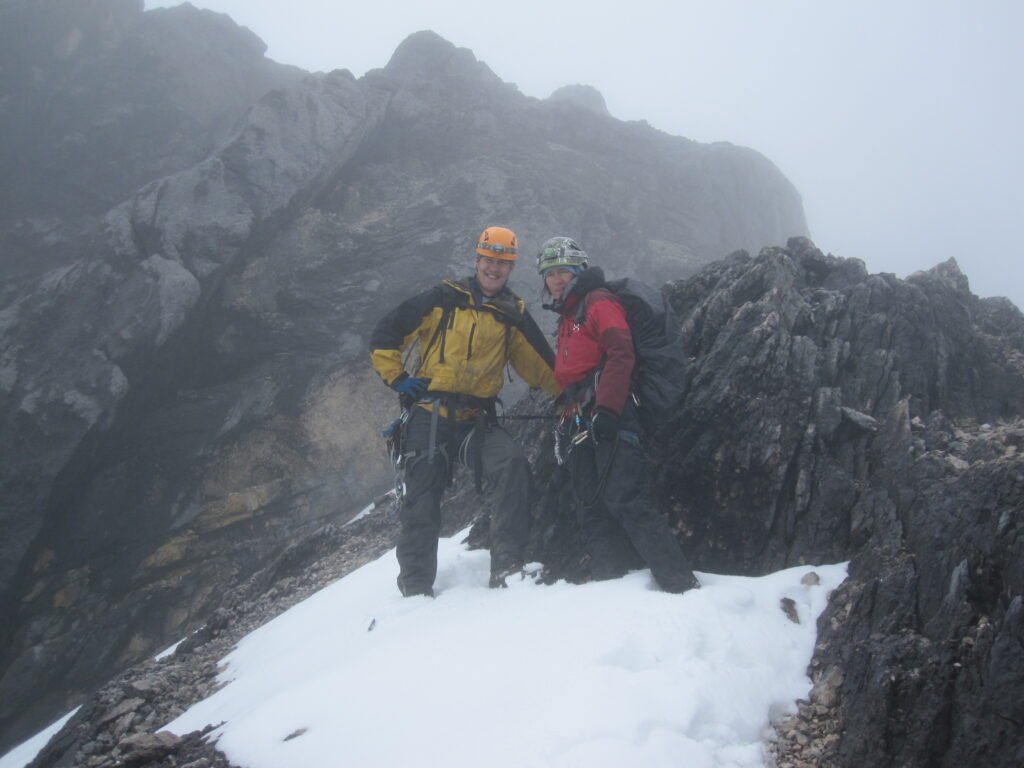
Beyond logistics, the nature of the climb itself contributes to the cost. Carstensz is not a simple walk-up mountain; it is a technical rock climb at nearly 5,000 meters above sea level, often accompanied by freezing temperatures, sudden storms, and rapidly changing weather conditions. The expedition requires professional guides, specialized equipment, rescue planning and strict safety protocols. These factors elevate the operational cost far beyond that of typical Indonesian mountains.
For these reasons, climbing Carstensz Pyramid remains one of the most demanding and logistically intensive expeditions in Southeast Asia. The high cost reflects not only the physical challenge of the climb but also the reality of venturing into one of the most remote corners of Indonesia, where every step forward requires effort, resilience and significant preparation.