

Carstensz Peak in Papua, which towers high as the roof of Indonesia, has long been famous for being the only tropical mountain on earth that has a permanent glacier. This expanse of ice is not only a distinctive feature of Carstensz, but also a natural landmark that is extremely valuable to climbers, scientists, and environmentalists around the world
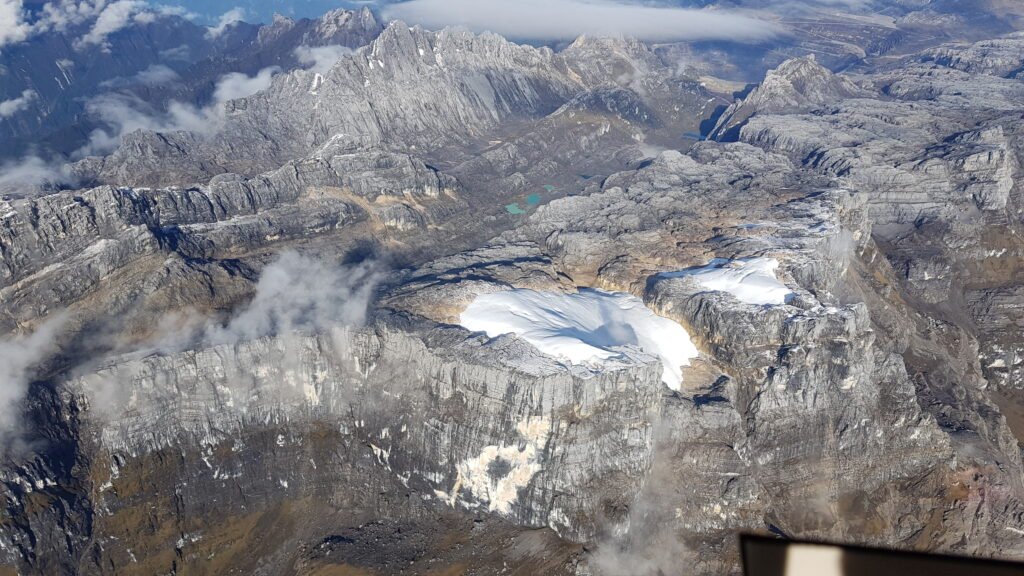
Unfortunately, the glacier that adorns Carstensz is now facing a serious threat: its melting rate is becoming increasingly alarming.
This event is not merely a visible change in the landscape, but also an important message about global climate change, the effects of which are now being felt in tropical regions that were once considered stable and safe.
Tropical Ice Heritage Threatened with Extinction
The glaciers on Carstensz are among the few remaining tropical glaciers on the planet. Their existence is a special natural anomaly, formed in a region that should have a warm climate.
However, the impact of global warming has caused the volume of this ice to shrink dramatically from year to year. Experts estimate that if this trend continues, the Carstensz glacier could disappear completely within the next ten to twenty years.
For climbers who have witnessed it, the glacier is not just part of the climbing route. It is a symbol of Carstensz uniqueness a tropical peak that offers an unparalleled climbing experience anywhere in the world.
Why is the Ice on Carstensz Peak Getting Thinner?
The melting of glaciers is not an instant process. There are several main causes that influence it, namely The Earth’s Increasing Temperature. Increasing temperatures in tropical regions accelerate the melting process, even at high altitudes above 4,500 meters. Reduced snowfall intensity. Carstensz receives more rain than snow, so the formation of new ice does not compensate for the rate at which old ice melts. Occurrence of severe climate instability. The El Niño phenomenon, unusual weather changes, and shifts in wind direction contribute to accelerating the disappearance of the ice layer. Karst Rocks that absorb heat karst conditions around mountain peaks absorb heat from the sun and reflect it back into the glacier, which speeds up the melting process.
It may be true that the ice cap on Puncak Jaya is thinning, but our concern for nature conservation must become even deeper.
For climbers, official tour guides, and the people of Papua, Puncak Jaya is not just a climbing destination, but a natural treasure that carries an important message: what is lost now may never return.
The glaciers on Puncak Jaya are fragments of Earth’s historical record. And our actions today determine whether our grandchildren will still have the opportunity to see them in the future.