

Central Papua, Timika — Long before climbers from around the world fix their eyes on the snow-dusted summit of Carstensz Pyramid, the journey has already begun—on the shoulders, feet, and quiet resolve of Papuan porters and local climbers.
They move ahead of the expedition, often barefoot or in worn boots, carrying loads that outweigh their own bodies. Food, ropes, tents, fuel, and sometimes the dreams of others are balanced in rattan packs across steep ridgelines and muddy forest paths. Yet their stories rarely appear in summit photos or expedition reports.
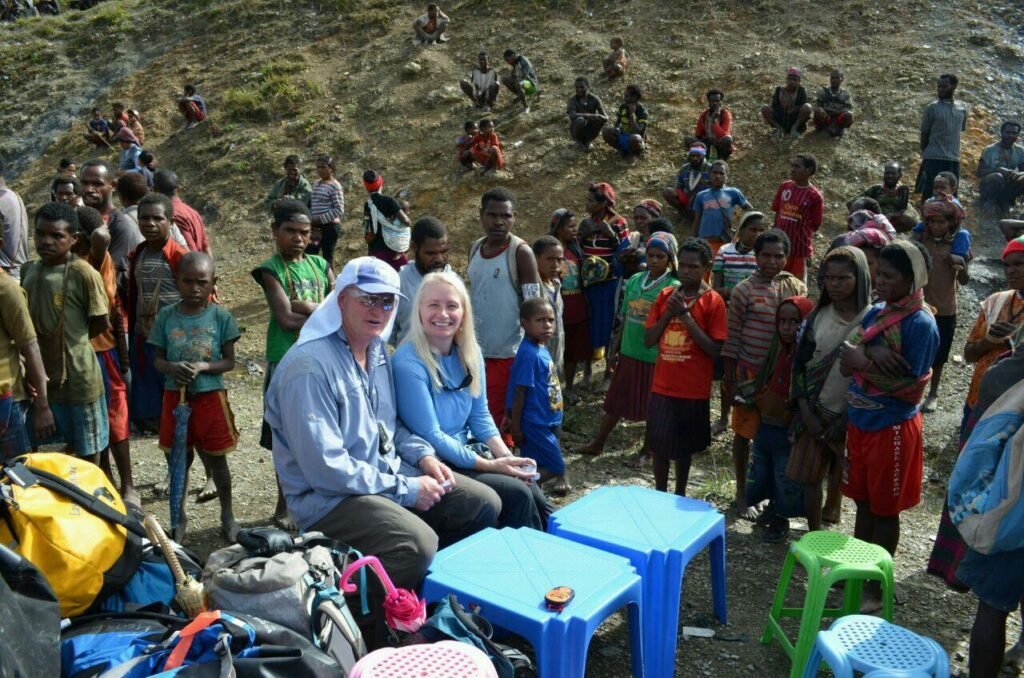
Keepers of the Mountain
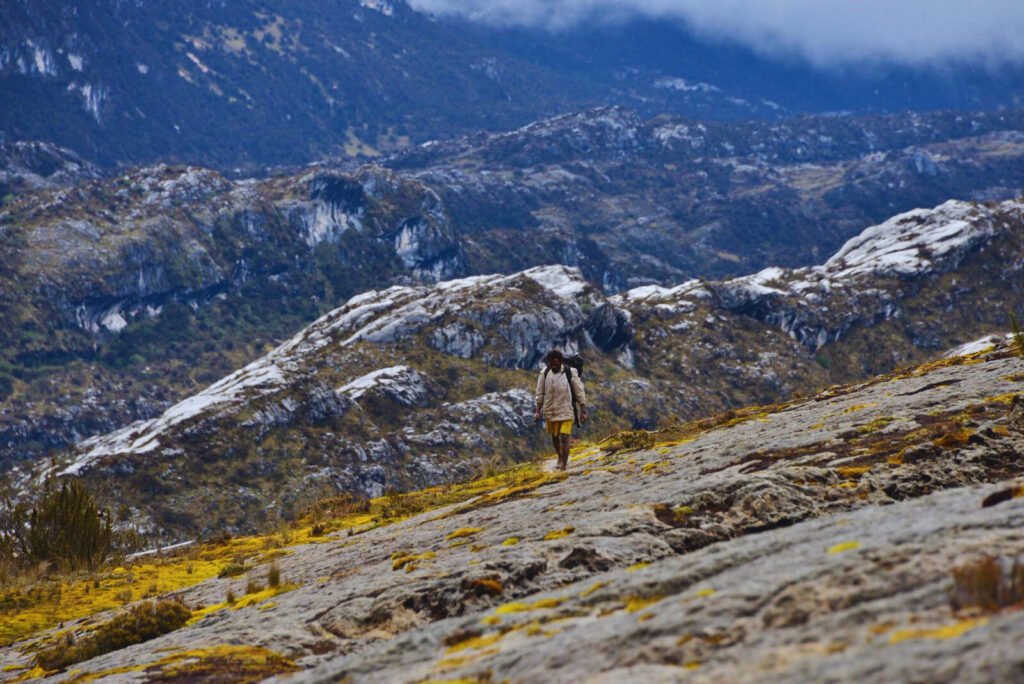
For indigenous communities such as the Dani, Moni, Amungme, and Nduga, the mountains of Papua are not trophies to be conquered. They are ancestral spaces—places of memory, spirit, and survival. Local climbers navigate terrain not through GPS alone, but through inherited knowledge: reading clouds, listening to rivers, sensing shifts in wind and soil.
Their understanding of the land often determines whether an expedition continues or turns back. When weather changes abruptly or trails vanish under landslides, it is local judgment that guides the safest decision—sometimes saving lives.
Strength Without Applause
Porters are commonly hired at the lowest pay scale in an expedition, despite performing the most physically demanding work. They cross rivers swollen by rain, climb exposed ridges, and sleep in minimal shelter, often without proper cold-weather gear. Injuries are treated quietly. Fatigue is endured silently.
Many continue working not for recognition, but out of responsibility—to support families, fund school fees, or sustain village economies where options are limited. The mountain, for them, is not adventure. It is a livelihood.
Local Climbers, Global Margins
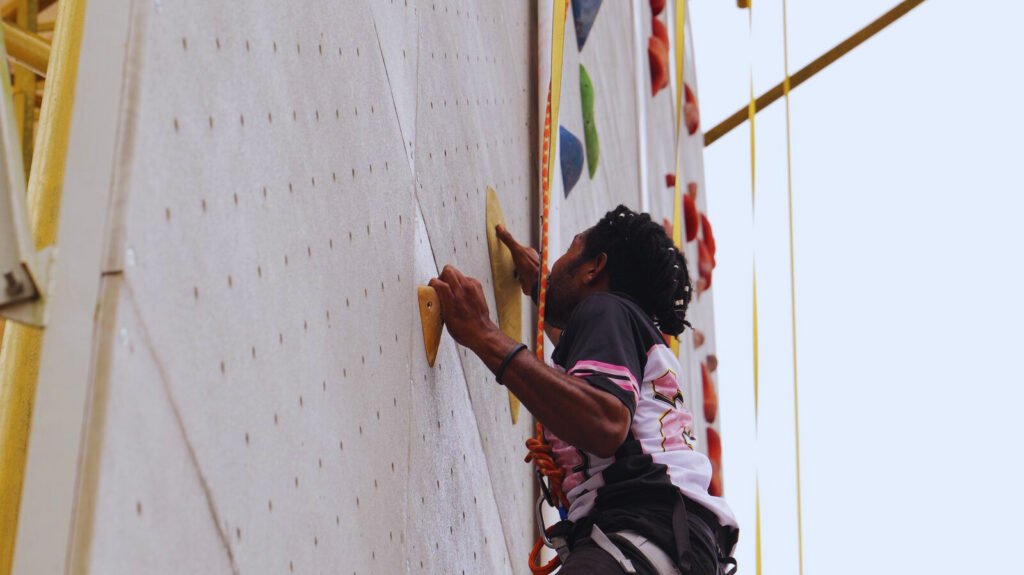
In recent years, more Papuan youth have trained as climbers, guides, and rescue assistants. Their skills match international standards, yet opportunities remain unequal. Certification programs are scarce, and leadership roles in commercial expeditions are often reserved for outsiders.
Despite this, local climbers frequently take on the greatest risks: fixing routes, carrying emergency loads, or assisting injured clients down treacherous terrain. When success is celebrated, their names are often left unspoken.
Sacrifice That Deserves Recognition
Behind every summit reached in Papua is a network of unseen labor and indigenous expertise. When accidents happen, it is often local porters who perform rescues in dangerous conditions—sometimes at the cost of their own safety. Their sacrifices are rarely documented, and compensation for loss or injury remains inconsistent.
Rethinking What Success Means
As adventure tourism grows in Papua, there is increasing urgency to redefine success beyond reaching the summit. Ethical expeditions now call for fair wages, proper equipment, training access, and recognition of local leadership.
Listening to Papuan voices is not charity—it is justice. Their strength, knowledge, and sacrifice are not supporting details to mountaineering history; they are central to it.
Beyond the summit lies the true story of Papua’s mountains—carried not by ice axes or flags, but by people who have always belonged there. (AC)